

Venezuela's Automobile Market Development
I. Market Status: Shrinking Scale And Structural Differentiation
Sales Volume Continues To Be Sluggish
The new car market has shrunk significantly since the 2014 oil crisis, with sales of only 1,675 units in 2020, down 98.7% from the peak in 2005. Sales are expected to rebound to 17,000-18,000 units in 2024 and to increase to 30,000 units in 2025, but still less than 3% of the pre-crisis level. The used car market has become the mainstream, with a scale of about US$1 billion in 2023, a year-on-year increase of 20%, but prices have risen by 30%-50% due to inflation and import restrictions.
Brand pattern: China Dominates, International Retreat
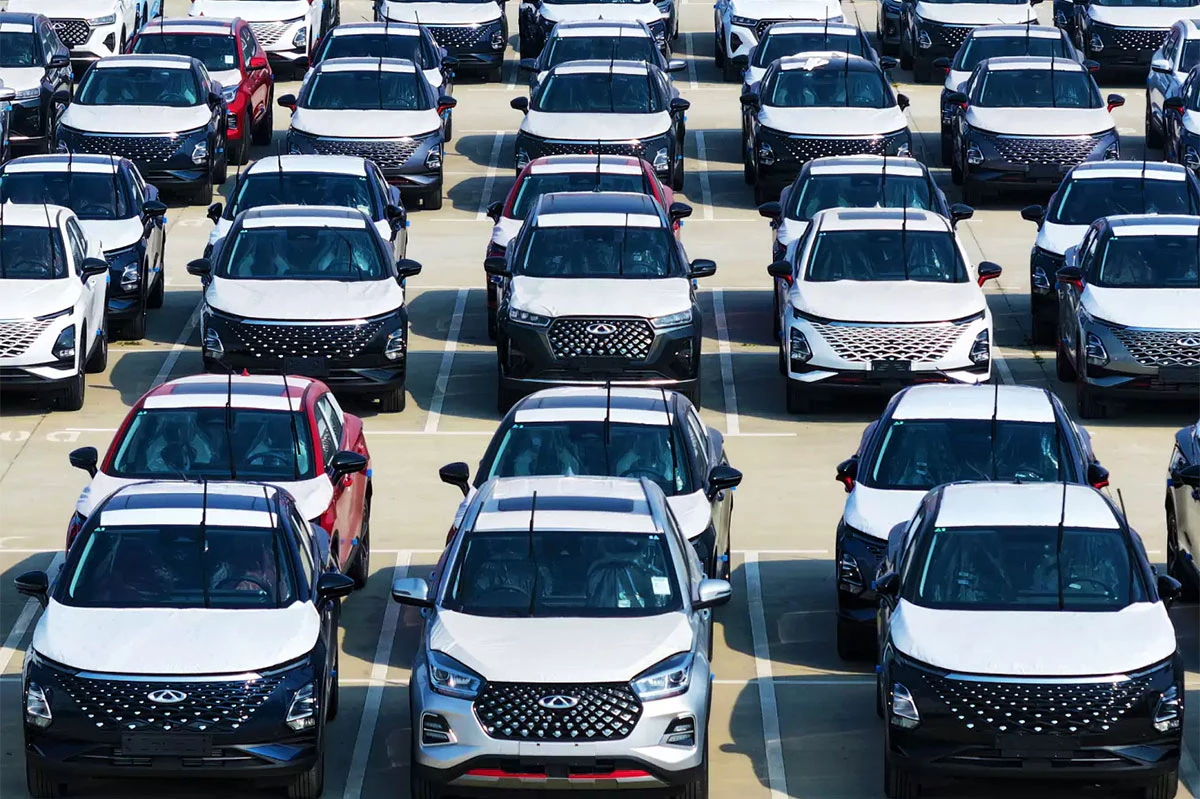
Chinese brands: Chery, JAC, etc. dominate through local assembly and government procurement. JAC's market share in 2024 reached 27%, 95% of its models were assembled locally, and its monthly production capacity was 500 units. Chery has sold more than 65,000 vehicles since entering the market in 2006, and the government has purchased its models in batches many times.
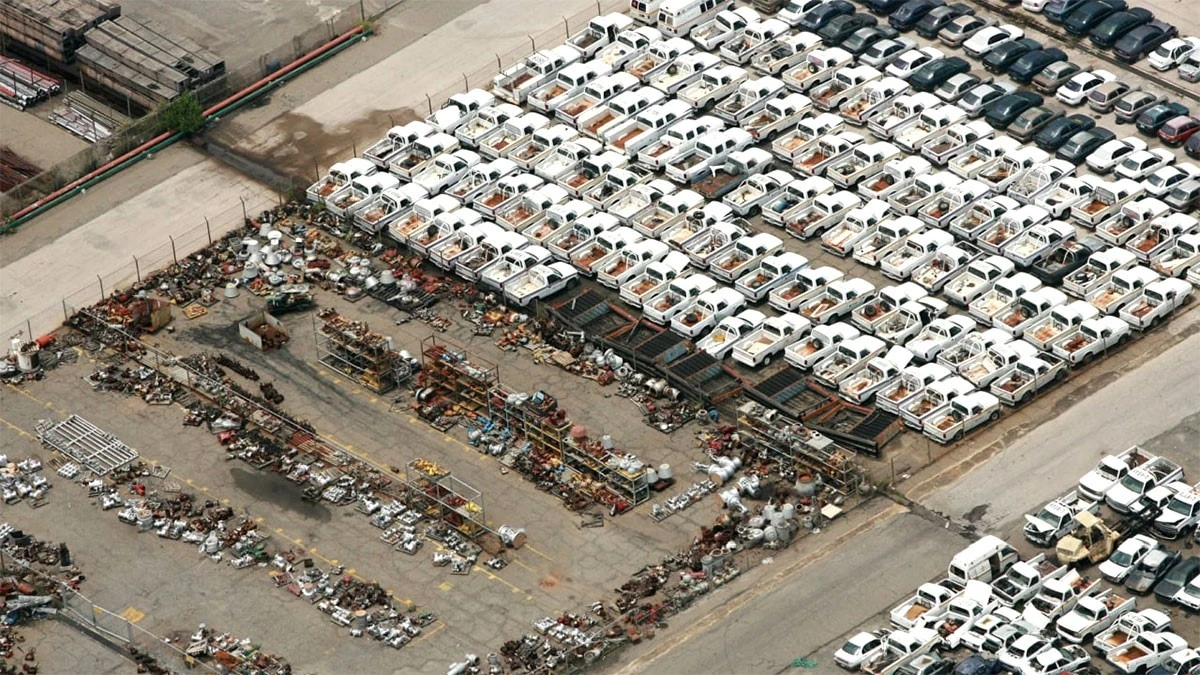
International brands: Toyota, GM and others withdrew due to economic sanctions and supply chain disruptions. For example, Toyota once produced the Land Cruiser LC80 in Venezuela, but stopped production after 2008. The current market is dominated by used cars and inventory cars, and European and American brands have a market share of less than 5%.
Model Preference And Price Stratification
Commercial vehicles dominate: Pickup trucks and trucks account for more than 60% of sales, and brands such as JAC and Dongfeng dominate with their cost-effective advantages.
Demand for passenger cars is sluggish: Economy cars (such as Chery QQ) and SUVs (such as Tiggo) are mainstream, but due to high prices (the average price of new cars exceeds US$30,000), consumers turn to the used market.
II. Driving Factors: Policy Support And Economic Recovery
Government Policy Relaxation
Import tax exemption: In 2024, the 90% import tariff and value-added tax exemption for some commodities will be extended to the end of the year to reduce the import costs of auto parts and complete vehicles.
Local production incentives: Encourage Chinese automakers to set up factories in the Commission, such as Chery and JAC, to assemble through the CKD model and enjoy tax incentives.
Economic Recovery And Recovery Of Purchasing Power
GDP growth of 5% in 2023 and 8% in 2024, inflation rate drops from 318% in 2023 to 150% in 2024, the minimum wage increases to US$28/month, and some middle-class people regain the ability to buy cars.
Energy Transformation Needs
Despite the unstable power supply (multiple failures of the Guli Hydropower Station caused power outages across the country), the number of cases of spontaneous conversion of solar electric vehicles by the public has increased, showing the potential demand for new energy vehicles.
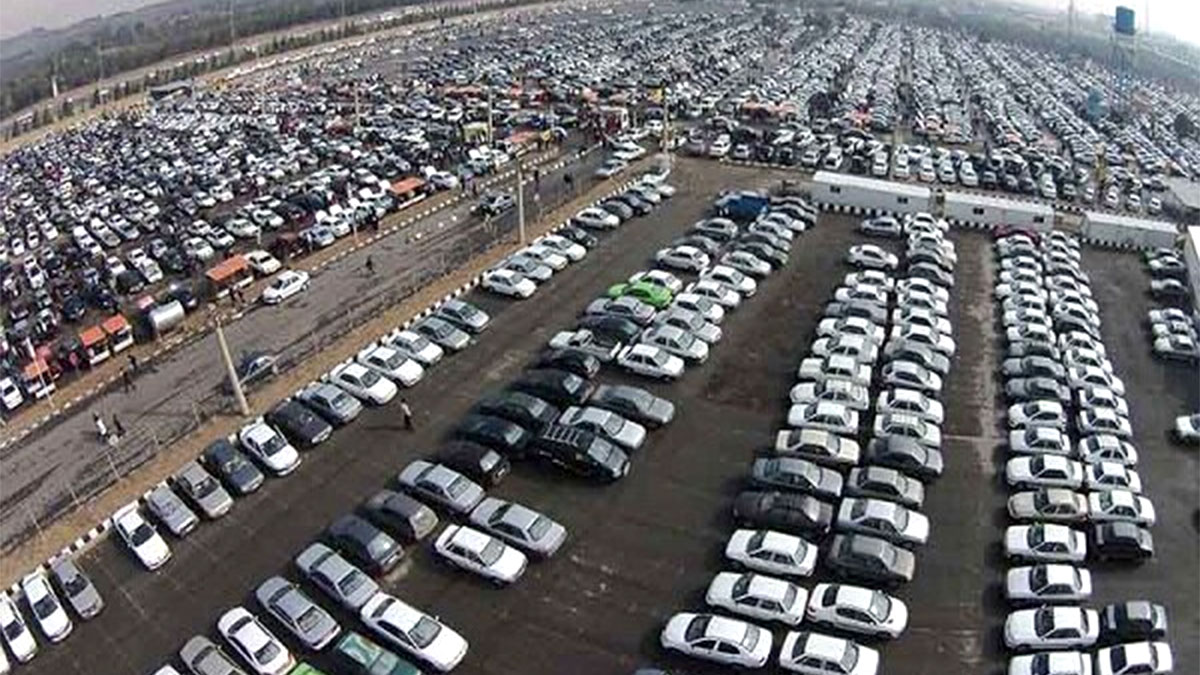
III. Core Challenges: Structural Contradictions And External Constraints
Economic and financial risks
Foreign exchange controls: It is difficult for companies to obtain imported parts in US dollars, resulting in inventory shortages and price surges.
For example, the price of Toyota Corolla gearboxes in the Commission is US$20,000, 33% higher than in the United States.
Inflation and exchange rate fluctuations: The annual depreciation rate of the Bolivar exceeds 1,000%, and the exchange rate of the US dollar to the Bolivar will reach 1:4.5 million in 2025, further weakening purchasing power.
Infrastructure bottleneck
Inefficient logistics: The logistics performance index is 2.81 (full score 5), and the customs clearance time is as long as 2-3 weeks, increasing import costs.
Unstable power supply: 70% of the country's electricity depends on the Guri Hydropower Station. Drought and aging equipment lead to frequent power outages, and the construction of charging piles is lagging.
Policy uncertainty
Sanctions and international isolation: US sanctions restrict the import of auto parts, and technical cooperation with countries such as Iran has become a few alternatives.
Lack of regulations: There is a lack of legal framework for electric vehicles to go on the road, and homemade electric vehicles cannot obtain licenses.
IV. Future Trends: Recovery And Transformation Coexist
Short term (2025-2027)
Moderate sales rebound: The annual growth rate is expected to be 15%-20%, new car sales will reach 50,000 in 2027, and the used car market will exceed US$1.5 billion.
Chinese brands deepen their layout: Chery and JAC plan to expand local production capacity and launch hybrid models to adapt to the unstable power environment.
Medium and long term (after 2030)
Energy transformation opportunities: If the power infrastructure improves, the penetration rate of electric vehicles may increase. The government plans to increase the proportion of electric vehicles to 8.5% by 2030, but needs to solve the problems of charging network and policy support.
Regional market differentiation: Large cities such as Caracas rely on public transportation, and the demand for pickup trucks and SUVs in rural areas continues to grow, giving rise to a localized modification market.
V. Conclusion: Risks And Opportunities Coexist
The Venezuelan auto market will show moderate growth in the short term driven by policy relaxation and economic recovery, but structural contradictions (foreign exchange controls, infrastructure) and external sanctions remain the main obstacles. Chinese automakers have an advantage with cost-effectiveness and policy support, while the return of international brands needs to wait for the lifting of sanctions and a stable economic environment. In the future, energy transformation and regional market differentiation will become key growth points, but investors need to be wary of political risks and supply chain uncertainties.