
Opportunities and Challenges of Ghana's Auto Market
As an important hub in West Africa, Ghana's auto market has shown a unique development trend in policy-driven and economic transformation in recent years.
The following is an analysis of market size, structural characteristics, policy environment, competitive landscape and future trends:
Market Size And Growth Potential
Overall scale
The Ghanaian auto market will be worth about US$1.96 billion in 2024 and is expected to increase to US$2.12 billion by 2030, with a compound annual growth rate (CAGR) of 1.55%. Although this growth rate is lower than that of other emerging markets in Africa, the market still has long-term potential thanks to population growth (32 million) and increased urbanization rate (58%).
Market segments
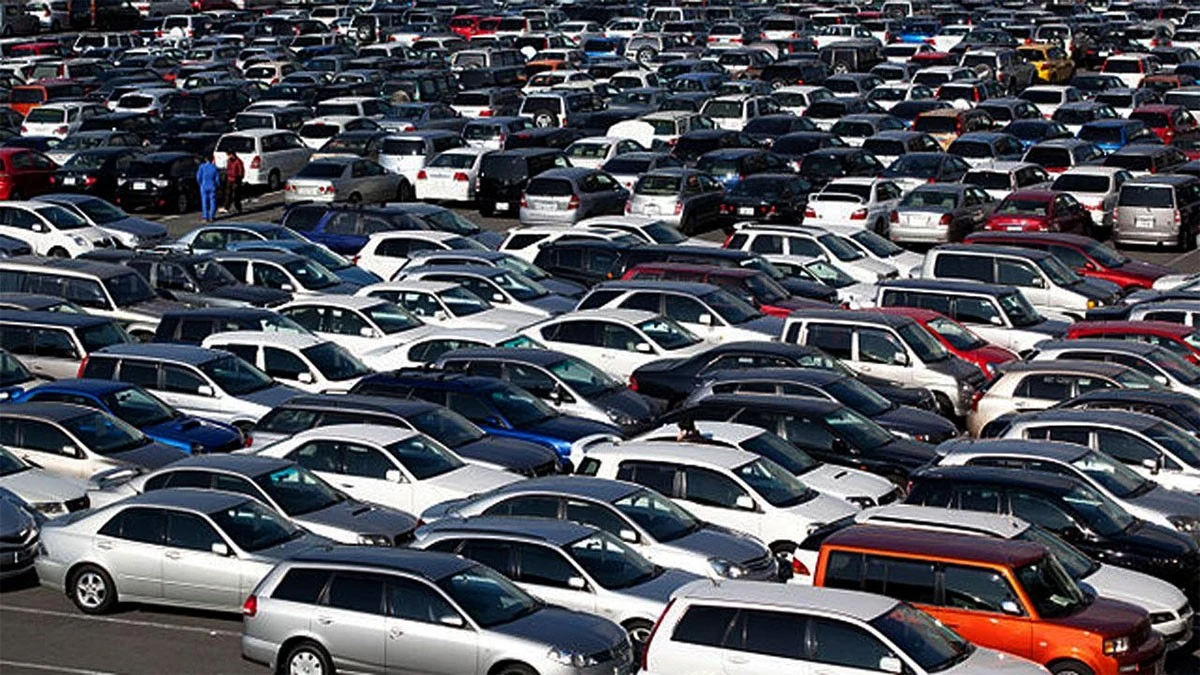
Used car dominance: About 100,000 cars are imported each year, of which 90% are used cars, mainly from the United States, Japan and Germany. The price of used cars is only 1/3-1/2 of that of new cars, making it the first choice for middle- and low-income groups.
Strong demand for commercial vehicles: Logistics and agriculture sectors drive sales growth of light trucks and pickups, accounting for more than 40% of the market share.
Two-wheeled/three-wheeled vehicle market: There are about 500,000 fuel three-wheeled vehicles, mainly used for short-distance transportation, but the trend of electrification is emerging.
Economic constraints
In 2024, GDP growth slowed to 3.6%, and per capita GDP was only US$2,328. High interest rates (25-30%) and foreign exchange shortages inhibited the consumption capacity of new cars.
Market Structure And Policy Drivers
Import dependence and localization transformation
Import barriers: New car import tariffs are as high as 35%, and used cars are subject to 10-35% tariffs and multiple additional taxes. From 2022, the import of used cars over 10 years old will be banned, forcing companies to turn to local assembly.
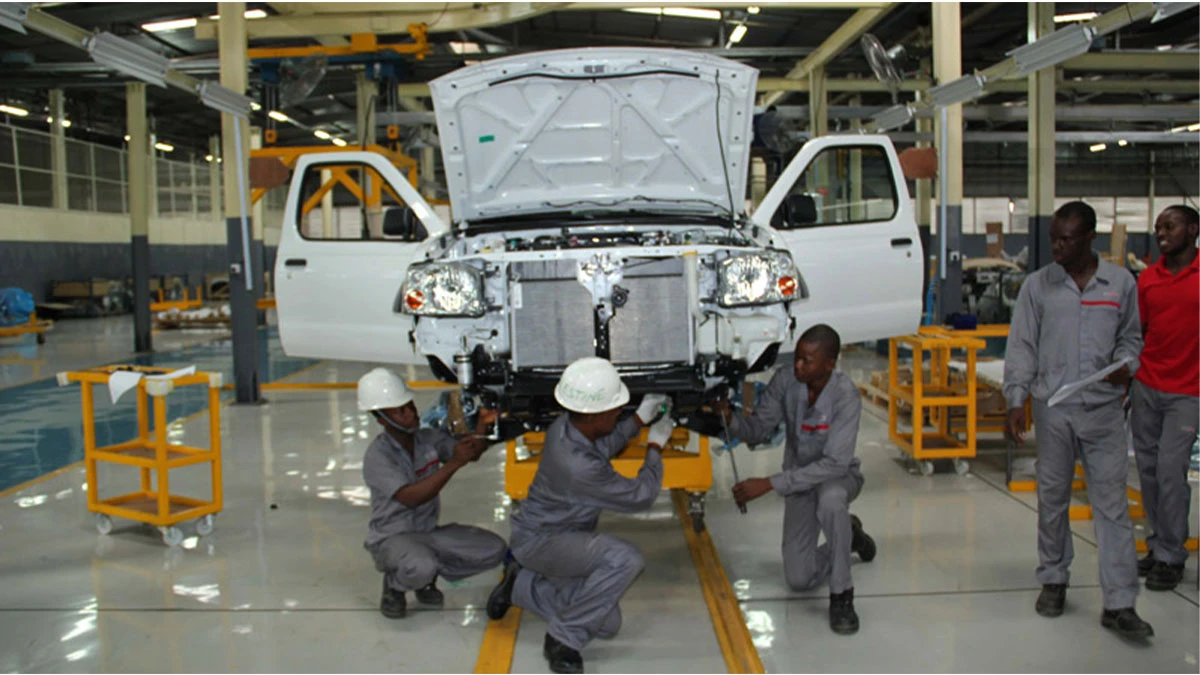
Localization policy: The Ghana Automotive Development Policy (GADP) provides a 10-year tax exemption period for CKD (complete knock-down) companies and a 5-year tax exemption period for SKD (semi-knock-down) companies. Volkswagen, Toyota, Hyundai, etc. have set up factories in Ghana with an annual production capacity of about 15,000 vehicles.
Strategic Layout Of Electric Vehicles
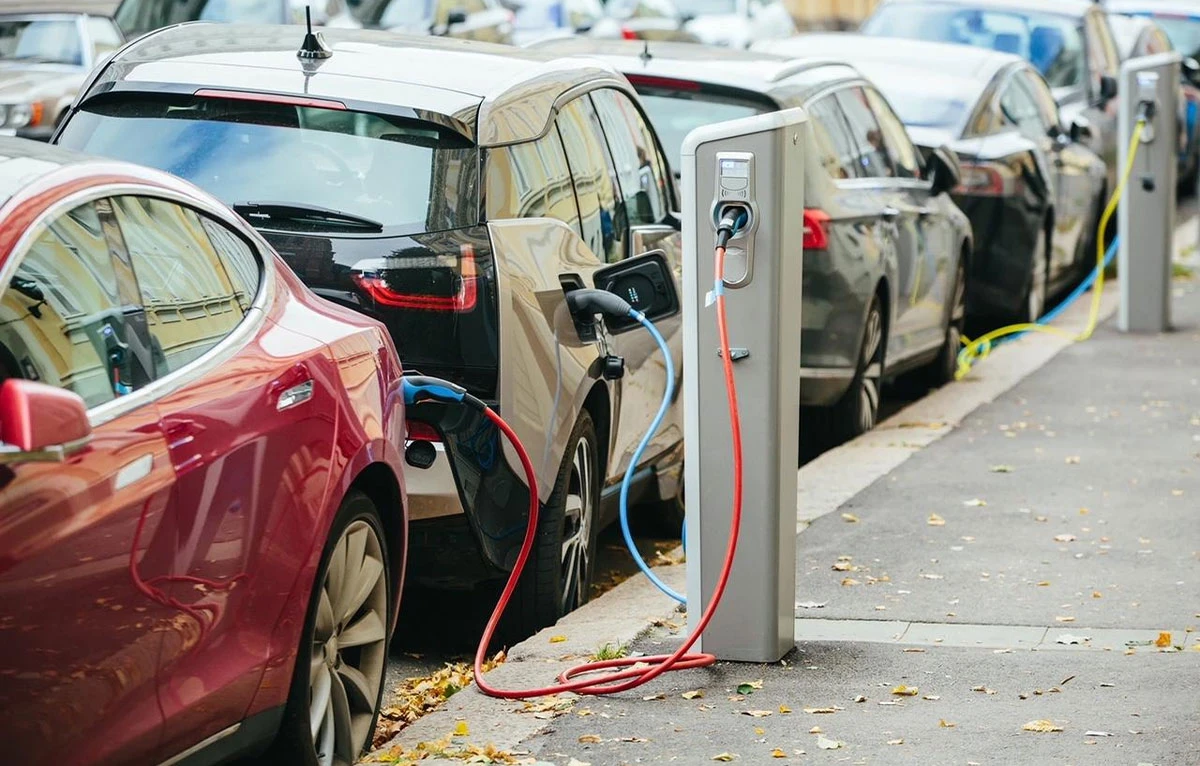
Policy incentives: Starting from 2024, electric vehicle imports will be zero tariff for 8 years, and the tax exemption period for electric vehicles used in public transportation will be extended to 10 years.

Infrastructure shortcomings: There are currently only 3 charging stations (all located in Accra), but the government plans to build 1,000 charging stations within 5 years and cooperate with VinFast to deploy a charging network.
Market status: Electric vehicles account for less than 1%, and the main obstacles are high costs (50% premium over fuel vehicles) and insufficient charging facilities.
Competitive Landscape And Consumer Behavior
Major brands
International giants: Toyota (market share 25%), Hyundai (18%), and Volkswagen (12%) reduce costs through local assembly and dominate the mid-to-high-end market.
Chinese influence: Chery and Changan entered the market through the CKD model, focusing on cost-effectiveness; Wuling Zhiguang accounts for 15% in the commercial vehicle field.
Local enterprises: Kantanka uses Chinese parts to produce SUVs and sedans, but its market share is less than 5%.
Consumer preferences
Price sensitivity: Second-hand cars account for 90%, and economical sedans (such as Toyota Corolla) and pickups (such as Ford Ranger) are the most popular.
Practical orientation: SUV sales have increased by 12% year-on-year due to its adaptation to road conditions and family needs.
After-sales service: Maintenance outlets are concentrated in large cities such as Accra, and remote areas rely on individual repair shops, and the supply cycle of parts is long.
Challenges And Future Trends
Core challenges
Foreign exchange shortage: The current account deficit will account for 4.5% of GDP in 2024, affecting automobile imports and parts procurement.
Infrastructure lags behind: Only 28% of the country's roads are paved, and traffic paralysis occurs frequently during the rainy season.
Financial repression: Only 15% of consumers can obtain formal auto loans, and 70% rely on loan sharks (monthly interest rates of 5-10%).
Environmental pressure: Exhaust emissions from old vehicles cause Accra's PM2.5 to exceed the standard by three times. The government plans to implement the Euro V standard in 2030.
Growth opportunities
Regional trade: After the African Continental Free Trade Area (AfCFTA) comes into effect, Ghana can export to Nigeria, Cote d'Ivoire and other countries through local assembly and enjoy zero tariffs.
Electrification transformation: If the construction of charging facilities is accelerated, the penetration rate of electric vehicles is expected to increase to 5% in 2030, with annual sales of 10,000 vehicles.
Policy dividends: GADP plans to increase the local parts matching rate from 10% to 40% by 2030, attracting investment from suppliers such as Bosch and Continental.
Summary And Suggestions
Ghana's automobile market is at a critical stage of transformation from import dependence to localized production. Policy incentives and regional market integration provide support for long-term growth. For investors, the following directions can be focused on:
Local assembly: Use tax incentives to establish CKD factories, focusing on economy cars and electric commercial vehicles.
Charging network: Cooperate with the government to build fast charging stations, giving priority to the Accra-Kumasi corridor.
Used car certification: Establish a standardized testing system to improve the circulation efficiency of used cars.
Parts and components: Invest in the production of key components such as tires and batteries to meet localization requirements.
Despite the short-term economic fluctuations and infrastructure bottlenecks, Ghana is expected to become the core hub of the West African automotive industry with its location advantages and policy determination.