


GEELY SUV
JINGSUN CAR: Your Professional GEELY SUV Supplier
Jingsun Car has been a leading provider of automotive exports in China for over 10 years. Our business scope includes the export of new vehicles, low-mileage gently used cars, and certified pre-owned vehicles. As one of the fastest-growing automotive export companies in the region, Jingsun Car has established itself as a premier exporter of both new and used cars, with a comprehensive portfolio of brands and models available for clients worldwide. Additionally, Jingsun Car is an authorized dealer for renowned luxury car brands such as Mercedes-Benz, BMW, and Audi.
Why Choose Us?
Variety of Products
As a comprehensive enterprise dedicated to automobiles and clean energy, Jingsun’s business scope includes automobile sales and services, such as new cars, used cars, Chinese domestic cars, joint venture cars, new energy vehicles and fuel vehicles. We also provide solar components and lithium Batteries and other clean energy products. Giving you the freedom to choose the car that best suits your budget and style.
Perfect Service
Our customer service team will be available for customers around the world at all times. Guidance and support throughout the entire buying process, from selecting the right vehicle to final purchase.
Professional Transportation
Jingsun Car has established partnerships with top shipping companies and logistics companies to ensure that cars arrive at their destination on time and in good condition.
Cost-Effective Prices
Jingsun Car is known for offering cost-effective car prices. Our strong relationships with automakers and dealerships provide access to the latest models from top brands, including BYD, GWM, Chery, and Geely at the best prices.


What is GEELY SUV?
Typically, GELLY SUV is a large vehicle that has big wheels and a higher clearance height than other cars. This is so the bottom of the car is less at risk of being damaged by rocks and other large bits of debris when driving off-road. They often have a large boot with plenty of space to store everything you need. Hybrid SUVs use both a petrol engine and electric motor, making them more energy efficient.
Advantages of Having A GELLY SUV
Great Storage Space
SUVs are more spacious than cars thanks to their enlarged wheelbase. Depending on the platform/configuration, they can seat five, six, seven, and even eight people, which makes it perfect for families, especially the full-size models. Besides extra space in the cabin, Sport Utility Vehicles also offer fantastic storage space. You can carry large equipment you might need for everyday use, such as sports gear, warehouse items, bags, and suitcases, etc.
Safety
The SUVs are well-known for being one of the toughest passenger vehicles out there. They are larger and wider than most other types of passenger vehicles and have a height advantage as well due to its higher wheels. Sitting at a higher position compared to the normal cars gives you a better view of the road. Even if you get into a fender bender or a crash, you are more likely to survive.
Manoeuvrability and Handling
Famous for its excellent manoeuvrability, an SUV is a great option if you frequently drive in adverse conditions such as rain or snow. The vehicle’s strong, sturdy build and four-wheel drive help avoid skidding and slipping and let you manoeuvre easily over rough, uneven terrains. Of course, it provides excellent handling on regular roads too, thanks to the different drive modes, which allow the vehicle to adjust the throttle response, suspension stiffness, steering feel, and traction control.
Versatility
SUVs are not only built to conquer different challenging terrains, but they are also extremely handy for hauling trailers, boats, and a variety of other tools and vehicles. If you like driving on and off paved or gravel surfaces, a powerful SUV is your best bet.
Grip and Handling
This four-wheel-drive vehicle excels in wet and slick conditions. Essentially, it can take you anywhere you want to go.
A Complete View is Ahead
Because of the higher seating position, you will have a better view of the road, allowing you to avoid hazards such as potholes or fallen objects on the road. You’ll also be able to see over smaller vehicles and ahead of you in heavy traffic and you’ll have an easier time finding a parking spot in a crowded lot.
SUV Features Checklist

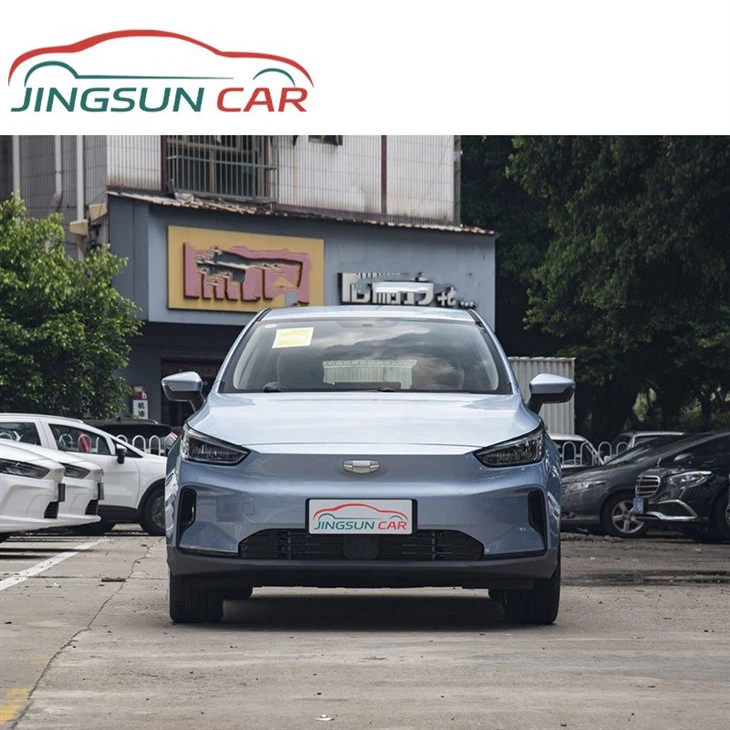
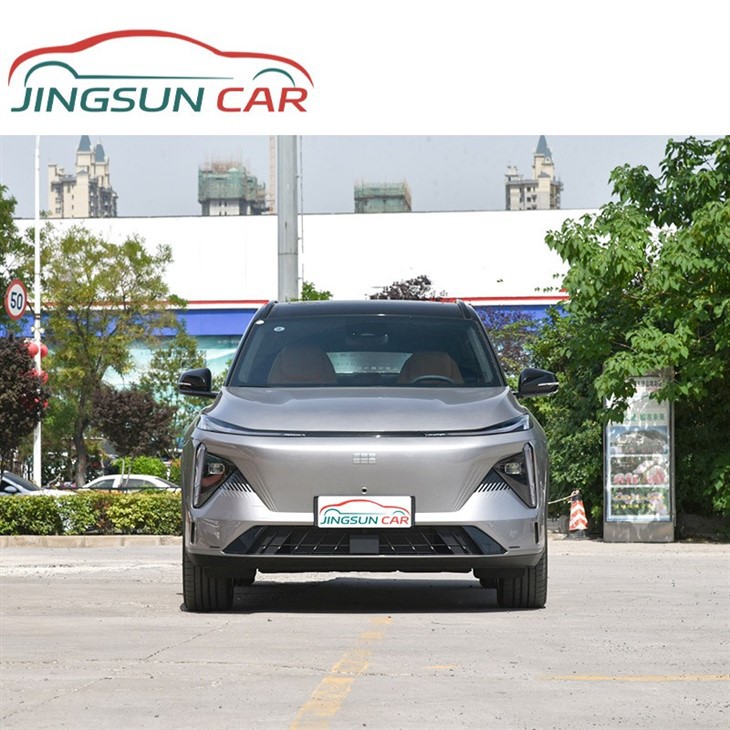
SUV Styling
An SUVs exterior styling is its most subjective quality. Either you're drawn to it or you're not. Some SUVs broadcast rugged capability with reinforced lower panels, chunky tires and elevated ride height. Others are city slickers with elegant lines, dazzling LED accent lights and shiny chrome trim. Form usually follows function here, so be sure to determine how high you'll need to step in and out of the SUV. Also take note of the liftover height into the rear cargo area — that is, how high you have to lift your cargo to get it in.
SUV Performance
Even a small SUV can put a big strain on an engine, and automakers are constantly trying to balance power with fuel economy. That's why you'll often find relatively small turbocharged engines in today's SUVs — the turbo helps generate easy low-end torque, while the smaller size limits fuel consumption. Even SUVs with V8 engines tend to lean on turbocharging for the same reasons. In fact, today's turbo technology is advanced enough that a boosted four-cylinder engine can generate the power necessary to drive a large 3-row SUV. Of course, electric SUVs can take SUV performance to a whole new level.
SUV Fuel Economy
Today's SUVs are more fuel-efficient than ever, but they're still larger and heavier than their sedan counterparts, and the trade-off for that additional utility comes at the pump. Some smaller SUVs do almost as well on gas as regular cars. Having said that, hybrid SUVs tend to do much better in congested stop-and-go driving than their conventional rivals. So if you spend a lot of time inching through the city, a hybrid SUV could save you a lot of gas money.
SUV Seating
Today's SUVs seat anywhere from five to nine passengers (more exotic high-performance SUVs sometimes offer just four seats). But just because an SUV offers five seat belts doesn't mean you'll have five happy passengers. Many smaller SUVs can really only seat two adults comfortably in the rear seat, and if it's a subcompact SUV, rear legroom could be at a premium. Generally speaking, you'll need a midsize SUV or else an unusually spacious compact SUV if you want to ferry adults or growing teens in comfort.
SUV Cargo Space
One of the primary reasons to consider an SUV is for its cargo space, but not all cargo space is created equal. Some SUVs prioritize utility with interiors that make the best use of space and maximize every cubic foot. Others tend to compromise on cargo in favor of more extroverted styling flourishes such as fastback rooflines. Still others sacrifice cargo space for a roomier back seat.
SUV Infotainment
Automakers often use infotainment systems to distinguish their models from the competition, and SUVs are no different. Some SUVs offer rear entertainment systems that typically include an overhead display or dual displays mounted on the back of the front seats. More advanced systems also provide an HDMI input for connecting a separate video source, such as a portable player or tablet.
SUV Safety and Driver Assistance
Many drivers prefer SUVs to sedans because of the elevated height and superior view of the road.
Most SUVs today offer a blind-spot monitor (a visual or audible alert when another car is in your blind spot) as standard or at least optional, as well as front and rear parking sensors. Rearview cameras are a godsend in close quarters, especially those with 360-degree or top-down views. Rear cross-traffic alert, which warns when a vehicle is approaching or crossing your reverse path, is also a handy feature to look for and often comes bundled with blind-spot warning.
SUV Off-road Equipment
Given their elevated ride heights, most SUVs can go off-road, but only a handful are truly off-road-capable. The average compact SUV can handle a modest dirt trail en route to a trailhead or swimming hole, but only SUVs equipped with all- or four-wheel drive, fortified suspensions, and generous ground clearance can venture into rougher stuff.
Top 9 GELLY SUV Care Tips
Clean Your Vehicle Regularly
Schedule routine wash and wax treatments for your vehicle once every six months. They preserve your paint job and prevent corrosion from road salt on your vehicle’s undercarriage if you live in a cold climate. You can also do it yourself to save money.
Get Routine Maintenance
All vehicles have a suggested routine maintenance schedule based on the miles driven. Most cars require routine maintenance every 5,000 miles or six months, but some let you go even longer between services. Mechanics perform an oil change and multi-point inspections to ensure the vehicle is running correctly. They check for wear and replace items like air filters or windshield wipers.
Don’t Skip Major Services
When it’s time for a tune-up, you will likely need to swap out older parts for new ones. These include spark plugs, oil filters, fuel filters, PCV valves, belts and hoses. These items’ longevity depends on your vehicle’s make and model. Consider asking the service department for cost estimates before tune-ups are needed so you will be prepared.
Get Your Brakes Checked
There is no standard for how frequently you should have your brakes checked. However, experts recommend doing this every time your tires are rotated or every six months. If you notice a change in your brakes while driving, have them inspected as soon as possible.
Check Fluid Levels Often
Select a day each month to check your fluid levels and note it in your calendar. Be sure to include engine oil, coolant, power steering fluid and windshield washer fluid. You should also check the brake fluid and transmission fluid at least twice a year — preferably every six months. You could wait until it’s time for an oil change to have your fluid levels checked. However, low fluid levels could indicate significant issues with your vehicle. Plus, you will likely spend more money later on repairs if the issues are left undetected.
Pay Attention to Your Tire Tread
Low tread on your tires puts you at risk of losing control of your vehicle, particularly when you’re driving in the rain, sleet or snow.
Keep Your Tires Inflated
Proper tire inflation contributes to vehicle safety and optimal fuel efficiency. If you have a newer vehicle, you will likely get an alert on the dashboard when your tire pressure is low. But if this feature isn’t available in your car, purchase a tire-pressure gauge to monitor your tires’ air levels. If the pressure is low, inflate the tires to the correct level.
Don’t Ignore Leaks, Sounds or Smells
Is there fluid on the ground from your car? Does it make weird noises when you crank it up, accelerate to a certain speed, turn a corner, back up or sit at a traffic light? Are there strange smells coming from your vehicle that you don’t recognize? These signs shouldn’t be ignored as they indicate that your car could need repairs. But if you ignore them and put investigating them off, you could spend several hundred or thousands in repairs later.
Pay Attention to Alerts
Whether it is the dreaded check engine light that pops up or some other icon you have never seen, don’t ignore it. Instead, take your car in to be checked out since it’s trying to communicate that something isn’t quite right.
Driving Safety in Difficult Conditions
Driving Precautions on Wet Roads
Slow down. If more drivers followed this tip in the rain, accidents would dramatically decrease. Wet weather doesn’t receive the same attention as winter weather driving, but it should.
Here are some tips for driving safely on wet roads:
Make sure your tyres offer the proper amount of tread.
Drive with two hands always.
Slow down before turning, and maintain a consistent speed throughout the turn.
While turning, don’t make any sudden steering wheel movements.
Only brake in a straight line before the turn, and do so gradually. Be careful if you need to brake during the turn.
Increase your distance from other cars significantly.
If hydroplaning, do not accelerate or brake suddenly. Keep your foot lightly on the gas and steer the car forward until your tyres regain traction.
Driving Precautions on the Highway
Always observe highway speed limits.
Activate your turning signal well in advance before changing lanes.
Avoid sudden or erratic steering or you may lose control of your car and roll over.
Take regular breaks. Don't drive while tired.
Driving Precautions at Night
Give your eyes some time to adjust to the light and shadows.
Tilt your rear view mirror slightly to reduce the dazzling effect of the car headlights behind you. If your rear view mirror has the option, switch to night setting.
Don't look directly at the headlights from cars traveling in the opposite direction.
Don’t drive too fast, visibility is reduced at night, making it hard for you to see the road ahead.
Driving Precautions in Fog
Visibility deteriorates in fog: Turn on your low beam headlights and fog lights.
Reduce your speed and refrain from passing other vehicles.
Leave enough time to react in an emergency by keeping a safe braking distance from the vehicle in front of you.
Driving Precautions in Wind
Reduce your speed. Be prepared to stop at any time.
Close all windows. An open window can attract airborne particles like dust that can affect visibility.
Keep an eye out for obstacles or debris being blown on to the road.
Be aware that people may not hear your horn during strong windy conditions.
If you’re carrying cargo on your vehicle, make sure it’s tied down securely.
Be very careful passing taller vehicles especially in exposed areas or on bridges.
Driving Precautions in Mountain Areas
Prior to setting off, check your brakes; test them and check the brake fluid.
Carry the tools necessary in case you break down (for a full list see Precautions and Emergencies).
Check the condition of your spare tyre: the appropriate pressure is especially important.
Carry extra food, appropriate clothing and emergency aids.
Check the weather and road conditions in the mountain area and choose your route wisely.
Tell at least one other person where and when you are traveling and when you are due back so they can alert emergency services If you don't return on time.
Blow your horn in advance if your view is blocked during cornering.
Drive carefully and slow down in turns, especially when your view is blocked.
Never speed or pass in sharp turns where you may not see oncoming vehicles.
Driving Precautions in Mud
When there’s heavy mud on the road or if you’re driving off-road, stop your vehicle and inspect the hardness and depth of the mud before driving through it.
Observe tyre tracks of other vehicles to gauge the depth and consistency of the mud.
Determine the type of vehicles that have left the track from the sizes and widths of the track. Use that information as a reference to decide if you can get across.
Cooperation Brand

Ultimate Guide
Q: Is a crossover different from an SUV?
Q: What is an SUV?
Q: Why should I buy an GELLY SUV?
Q: Can I take an GELLY SUV off-road?
Q: Are all SUVs a 4×4?
Q: How is SUV different from other cars?
Q: What size SUV do I need?
Q: How important is fuel-efficiency to me?
Q: What features do I want and need in my SUV?
Q: What kind of tow rating do I need?
Q: What are some important safety features to look for in an SUV?
Q: Should I buy an SUV with a third row of seats for my family?
We're well-known as one of the leading geely suv suppliers in China. Please rest assured to buy high quality geely suv for sale here and get pricelist from our company. For price consultation, contact us.
Trumpchi Empow, honda ns1 electric car, nio es8 price usd