

Nissan informed dealers that there would be no price increase before June 2025 during the tariff "storm"
1. Industry shocks under the tariff "storm"
On April 3, 2025, the US government officially imposed a 25% tariff on all imported cars, and the parts tariff also took effect on May 3. This policy directly impacted the global automotive industry chain, and Japanese automakers were the first to bear the brunt. According to estimates by the Nikkei, US tariffs may lead to a decline in Japanese auto exports, a reduction in domestic production, and economic losses of up to 13 trillion yen. As Japan's third largest automaker, Nissan is expected to see a 300% reduction in profits and faces a "crisis of corporate survival."
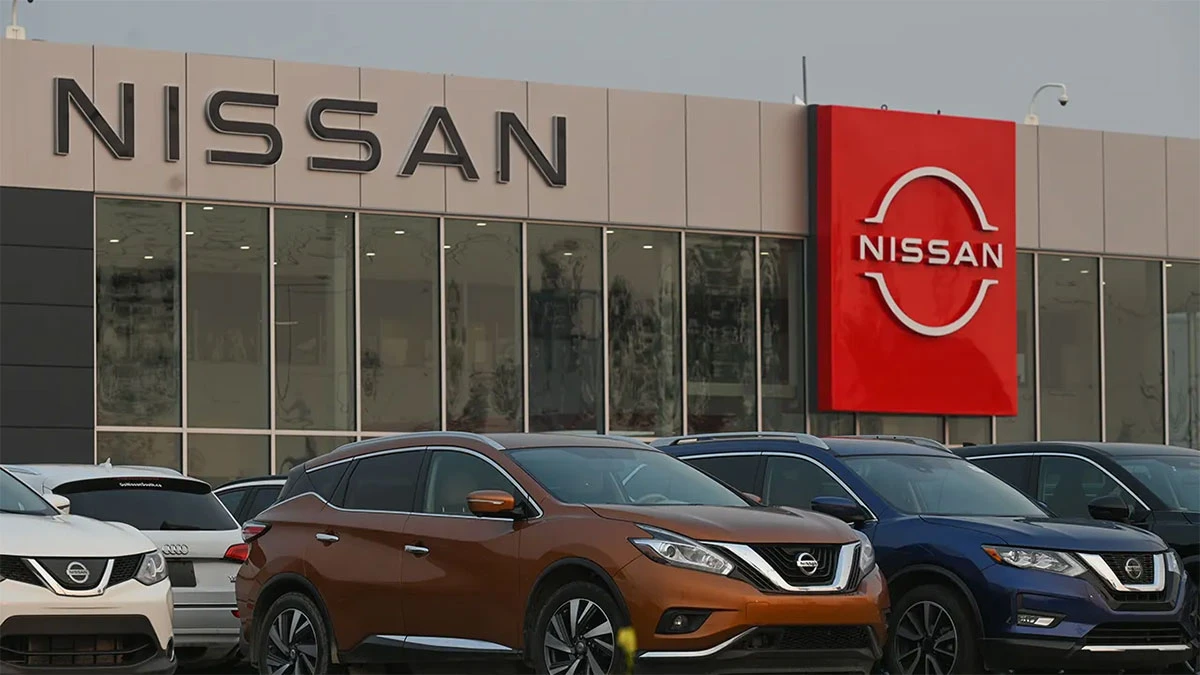
Against this background, Nissan urgently announced to dealers in mid-April: At least until June 2, all imported models (including the Mexican-made Rogue SUV, the Japanese-made Infiniti QX60, etc.) will not increase in price. Behind this decision is Nissan's adherence to market share and in-depth adjustments to the supply chain.
2. Analysis of Nissan's "no price increase" strategy
Short-term market stabilization: avoiding customer loss
The US market is Nissan's second largest market in the world, accounting for 18% of sales in 2024. If prices are raised immediately, it may cause consumers to turn to competitors such as Toyota and Honda that have not raised prices. Cox Automotive data shows that the average transaction price of new cars in the United States has exceeded US$48,000, and tariffs may increase the price of imported models by another 10%-15%. Nissan chose to bear the tariff costs on its own, and in the short term, maintain price stability through inventory digestion (US inventory days reached 100 days at the end of 2024, higher than the industry average of 50 days) and cost compression (such as suspending new orders for Infiniti SUVs produced in Mexico).
Long-term capacity reconstruction: activating US factories
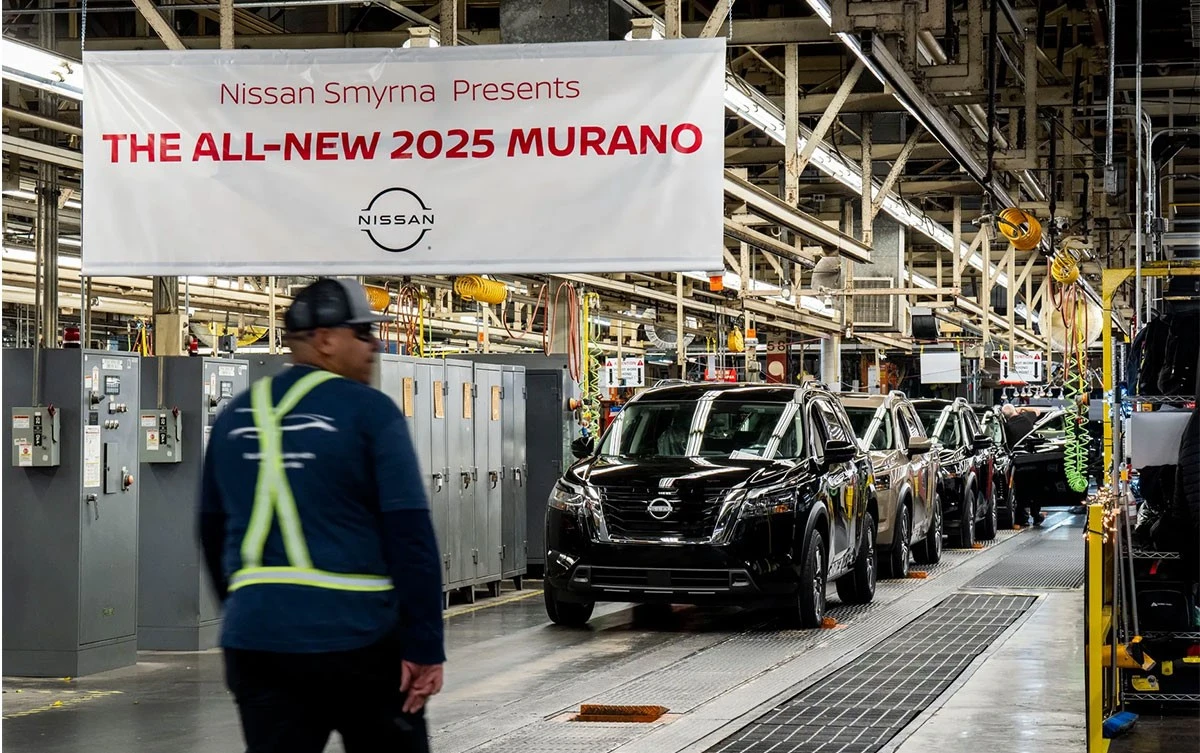
Nissan's two factories in Smyrna, Tennessee and Canton, Mississippi have a total annual production capacity of 1.09 million vehicles, but the actual production in 2024 was only 525,000 vehicles, with a capacity utilization rate of less than 50%. In response to tariffs, Nissan plans to transfer its main models such as the Rogue SUV and Frontier pickup truck produced in Mexico to the United States for production, and increase the production capacity of the Smyrna plant to 640,000 vehicles through three shifts. This adjustment can not only avoid the 25% tariff, but also enjoy the local production subsidies of the US government (such as the tax credits for locally assembled vehicles under the Inflation Reduction Act).
Supply chain "nearshore": reduce tariff risks
Nissan is evaluating the transfer of production of core components such as engines and transmissions from Mexico and Japan to the United States. For example, the Smyrna plant has begun to produce V6 engines and may introduce hybrid systems in the future. At the same time, Nissan cooperates with Mexican suppliers to obtain the USMCA certification to make the parts tax-free.
3. Nissan's financial "stress resistance"
Despite the impact of tariffs, Nissan's short-term financial resilience remains:
Cash reserves: As of March 2025, Nissan has $8.63 billion in cash on its books, enough to support 6 months of tariff costs.
Cost reduction: 20% global production reduction and 9,000 layoffs in 2024, saving $2.616 billion per year.
Pricing strategy: Relieve dealer pressure through terminal discounts (such as a $2,000 price cut for the Rogue SUV) and inventory clearance.
But long-term risks cannot be ignored: If tariffs continue, Nissan's operating profit in 2025 may decline further, and it will be forced to postpone its electrification investment (originally planned to launch 30 new models by 2026, 16 of which are electrified models).
4. Industry Comparison: Differentiated Paths For Automakers To Deal With Tariffs
|
Automakers |
Response strategies |
Risks and challenges |
|
No price increase in the short term + increase in US production capacity |
Long capacity adjustment cycle (at least 12 months) |
|
|
Cost reduction + accelerated production of hybrid models |
Hybrid technology faces impact from Chinese plug-in hybrid models |
|
|
Accelerate exports to the U.S. before tariffs take effect |
Inventory overstock risk (US inventory days 50 days in 2024) |
|
|
Passing tariff costs directly to consumers |
Market share may be lost to Japanese brands |
|
|
Expanding Mexico factory capacity + government subsidies |
Reliance on USMCA certification, high policy risk |
5. Impact on dealers and consumers
Dealers: short-term relaxation, long-term pressure
The price freeze before June won dealers a 3-month sales buffer period, but they still need to face the following in the long run:
Inventory pressure: Nissan's US inventory days have reached 100 days, far exceeding the industry safety line.
Cost transmission: If tariffs continue, prices may be forced to increase in the second half of 2025, and dealers will need to bear part of the cost.
Consumers: The "golden time" to buy cars during the window period
Buying imported Nissan models (such as the Mexican-made Versa and the Japanese-made Altima) before June can enjoy the double benefits of terminal discounts and the fact that tariff costs have not been passed on. Taking Versa as an example, the current price is about US$20,000. If the price increases by 25% after June, the price difference will reach US$5,000.
6. Future Outlook: Nissan's "Life and Death Speed"
Short-term (6-12 months)
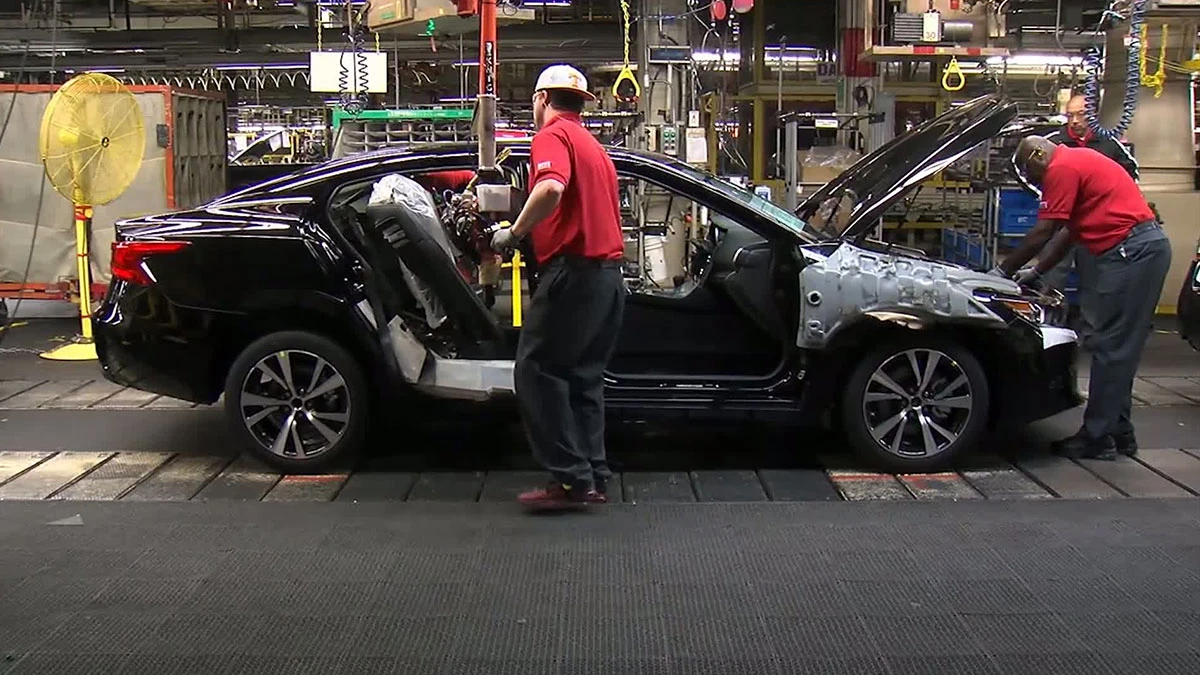
Capacity ramp-up: The three-shift capacity of the Smyrna plant needs to be increased to 500,000 vehicles by the end of 2025 to cover main models such as Rogue and Frontier.
Policy game: Join the Japanese government to put pressure on the United States to strive for tariff exemptions or extend the transition period.
Medium-term (1-3 years)
Electrification transformation: Accelerate the launch of locally produced electric vehicles (such as the Leaf replacement model) to enjoy subsidies from the Inflation Reduction Act.
Supply chain reconstruction: 30% of core parts production will be transferred to the United States, and the target localization rate will be increased from the current 45% to 60%.
Long-term (3-5 years)
Market diversification: Reduce dependence on the US market and increase investment in emerging markets such as Southeast Asia and the Middle East.
Technology moat: Develop cutting-edge technologies such as solid-state batteries and hydrogen fuel cells to avoid competition from traditional fuel vehicles.
Conclusion
Nissan's "no price increase" decision is a balance between short-term pain and long-term strategy. In the tariff "storm", this century-old car company is trying to buy time for future electrification transformation while maintaining market share by activating local production capacity, reconstructing the supply chain, and reducing costs. However, if the US tariff policy is maintained for a long time, Nissan may face a vicious cycle of continued decline in profit margins and insufficient R&D investment. This "life and death" competition will not only test Nissan's crisis response capabilities, but will also reshape the competitive landscape of the global automotive industry.