

"Main force of rigid demand" in the South American market
1. Brazil: Competition between local brands and Japanese cars
Fiat Palio: As the "national car" in the Brazilian market, its annual second-hand car transaction volume exceeds 500,000 units. The average price of models produced after 2015 is about 12,000 reais (about 2,000 US dollars). It is known for its low fuel consumption (7.5L/100km in urban conditions) and low maintenance costs.

Volkswagen Gol: Second-hand car sales in 2023 will reach 420,000 units, and 1.6L manual transmission models will account for 65%, mainly due to the complex road conditions in Brazil, and the failure rate of manual transmission models is 30% lower than that of automatic transmission.

Chevrolet Onix: The second-hand market share will increase to 18% in 2024, and the 1.0T turbocharged version will become the first choice for young consumers due to its increased power (98 horsepower) and high value retention rate (3-year value retention rate of 58%).

2. Argentina: The counterattack of Korean cars
Hyundai HB20: The second-hand car transaction volume in 2024 will exceed 120,000 units. The 1.6L version will become the first choice for family users due to its affordable price (about 28,000 US dollars) and space advantage (wheelbase 2500mm).

KIA Rio: Automatic transmission models account for 45% of the second-hand market, mainly due to consumers' preference for "low monthly payment" financial solutions under high inflation in Argentina. The monthly payment for a three-year loan can be as low as 200 US dollars.

3. Chile: The dominance of Japanese cars
Toyota Yaris: The second-hand market share in 2024 will reach 22%. The 1.5L hybrid version has a fuel consumption as low as 4.2L/100km and a tax exemption policy (Chile exempts low-emission vehicles from 10% consumption tax), and the price is 15% higher than the fuel version.

Honda City: The three-year value retention rate of the 1.5L manual transmission model is 62%, mainly because there are many mountain roads in Chile and the manual transmission is more recognized for its controllability.

II. SUV and pickup trucks: "hard currency" driven by geography and policy
1. Brazil: The "nationalization" phenomenon of pickup trucks
Fiat Strada: Used car sales in 2024 will be 145,000 units. The 1.8L version will become the standard tool vehicle for small and micro business owners due to its load capacity (750kg) and cargo box size (1.6 meters).

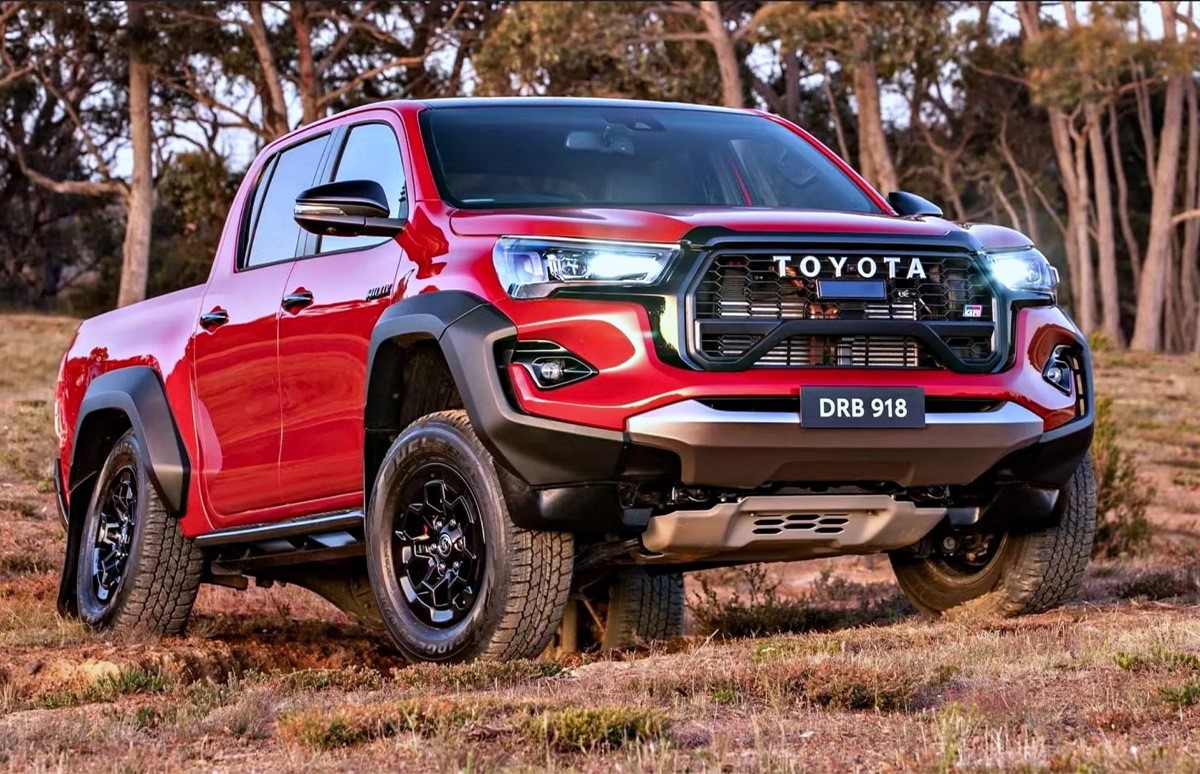
Toyota Hilux: The three-year value retention rate of the 2.8T diesel version is 71%, and the four-wheel drive version has a 30% premium in the Amazon region because the local roads are muddy during the rainy season and the demand for four-wheel drive is strong.

2. Argentina: The "luxury" attribute of pickup trucks
Ford Ranger: The average second-hand price in 2024 will reach 68,000 US dollars. The 3.0T diesel version has become a symbol of the middle class due to its strong power (210 horsepower) and imported status (only 40% of the local production in Argentina).

Volkswagen Amarok: The second-hand price of the V6 version has only depreciated by 18% compared with the new car, mainly because Argentina imposes a 35% tariff on imported pickup trucks, and the cost-effectiveness of the second-hand model is prominent.

3. Chile: The rise of new energy SUVs
Great Wall Poer EV: Second-hand market sales increased by 120% in 2024. The second-hand price of the version with a range of 401km is 5% higher than the fuel version due to the tax exemption policy (Chile exempts electric vehicles from value-added tax).

BYD Atto 3: The 1.5L hybrid version has become the first choice for middle-class families in Santiago due to tax exemption and low fuel consumption (1.5L/100km), and the second-hand market is in short supply.

III. Commercial vehicles: the "invisible rigid demand" for logistics and infrastructure
1. Bolivia: The counterattack of Chinese brands
Foton Gratour: The second-hand commercial vehicle market share will reach 38% in 2024. The 1.5L van version will become the main force of transportation in rural areas due to its low price of US$8,000 and load capacity (1.2 tons).

Wuling Rongguang: Second-hand sales will increase by 45% in 2024. The 1.2L version will occupy 60% of the microbus market in plateau cities such as La Paz due to its low maintenance cost (single maintenance cost is about US$30).

2. Brazil: The domination of Japanese light trucks
Toyota Hilux pickup: As a commercial vehicle modification platform, the second-hand market share reached 42%. The 2.4T diesel version will become the first choice for cold chain logistics due to its durability (average trouble-free mileage of 300,000 kilometers) and modification potential (refrigerated boxes and dump devices can be installed).

Nissan Cabstar: The 3.0T diesel version has a 10% premium in the second-hand market in the industrial areas around Sao Paulo due to its load capacity (3 tons) and low fuel consumption (12L/100km).
IV. Special markets: "niche hits" of policies and culture
1. Uruguay: "Renaissance" of classic cars
Volkswagen Beetle: The average second-hand price of models produced in the 1970s reached US$8,000. Because Uruguay exempts vehicles over 25 years old from annual inspections and environmental taxes, it has become a hot spot for retro enthusiasts.
Chevrolet Chevelle: The second-hand price of muscle cars in the 1960s exceeded US$20,000. Because Uruguay's import tariff on classic cars is only 5%, it attracts Argentine and Brazilian buyers to purchase across borders.
2. Peru: A "test field" for new energy commercial vehicles
BYD T3 pure electric truck: Second-hand market sales increased by 200% in 2024. The 200km version became the main force of Lima's e-commerce logistics due to the tax exemption policy (Peru exempts electric vehicles from import tax) and low operating costs (electricity cost of US$0.1 per kilometer).
JAC iEV7L: The 1.5L hybrid version has a 20% premium in the second-hand market in rural Peru due to its 500km range and modification potential (can be equipped with a cargo box).
V. Market trends and policy impacts
1. Environmental protection policies promote new energy second-hand vehicles
Chile: Starting from 2025, a 5% carbon emission tax will be imposed on fuel vehicles over 5 years old, resulting in a surge in demand for second-hand electric vehicles. The second-hand price of Tesla Model 3 has increased by 12% compared with 2024.
Argentina: The import tariff on electric vehicles will be reduced from 35% to 0% in 2025. The price of second-hand BYD Yuan PLUS is expected to drop by 15%, which will impact the local fuel vehicle market.
2. Economic fluctuations give rise to "low price preference"
Brazil: The inflation rate will reach 6.5% in 2024, resulting in a 25% increase in sales of second-hand cars below 10,000 reais. The Chevrolet Celta 1.0L manual transmission has become the first choice for low-income groups because of its low price of 7,000 reais.
Argentina: The depreciation of the peso has led to a 30% increase in the price of imported second-hand cars. The second-hand price of the locally produced Fiat Cronos has increased by 18% compared with 2023, reaching a record high.
3. Regional trade agreements reshape the market
Mercosur: The tariff on second-hand car transactions between member countries has been reduced from 35% to 10%, driving the sales of the Brazilian-made Volkswagen Nivus in the Argentine second-hand market by 40%.
Chile-China Free Trade Agreement: The import tariff on Chinese brand used cars has been reduced from 10% to 6%, and the used price of Great Wall Cannon pickup trucks has dropped by 8%, squeezing Toyota Hilux's market share.
VI. Risks and Opportunities
1. Core Risks
Property Fraud: About 30% of vehicles in Argentina's used car market have "meter adjustment" problems, which need to be verified through third-party platforms such as Carfax.
Emission Compliance: Chile will implement Euro VI standards in 2025, and diesel vehicles over 10 years old will be banned from entering the city, causing the price of used diesel pickup trucks to plummet.
2. Emerging Opportunities
New Energy Vehicle Exports: China's BYD Yuan PLUS has a 5% premium in the Brazilian used market due to the improvement of local charging facilities (the number of charging piles will increase by 50% in 2024).
Electrification of Commercial Vehicles: The Peruvian government plans to replace 30% of public transportation vehicles with electric vehicles in 2025, and the price of used BYD e6 is expected to rise by 20%.
Summary
The popular models in the South American used car market present a diversified pattern of "dominated by economy cars, rigid demand for SUV pickups, and the rise of new energy vehicles".
Specifically:
Brazil: Fiat Palio, Volkswagen Gol, Chevrolet Onix (economy cars); Fiat Strada, Toyota Hilux (pickup trucks).
Argentina: Hyundai HB20, Kia Rio (economy cars); Ford Ranger, Volkswagen Amarok (pickup trucks).
Chile: Toyota Yaris, Honda City (economy cars); Great Wall Poer EV, BYD Atto 3 (new energy SUV).
Bolivia: Foton Jiatu, Wuling Rongguang (commercial vehicles); Toyota Hiace (imported used cars).
Peru: Toyota Corolla, Hyundai i20 (economy cars); BYD T3 (new energy commercial vehicles).
Investors need to pay attention to policy changes in various countries (such as Argentina's tariff adjustments and Chile's emission regulations) and regional trade agreements, while being wary of property fraud and emission compliance risks, and giving priority to second-hand new energy vehicles and models with high value retention rates (such as Toyota Hilux and Volkswagen Gol).