

Tesla Model 2 Countdown: $25,000 Will Reshape The Global Electric Vehicle Landscape
I. Strategic product landing: the "catfish effect" in the new energy market in 2025
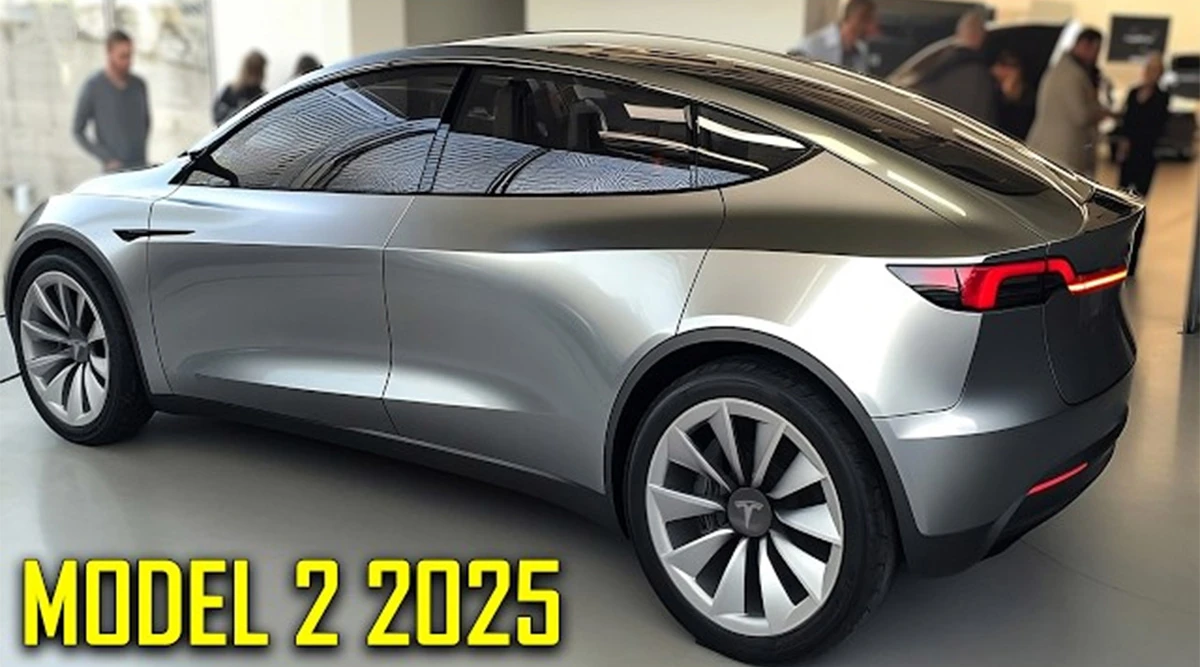
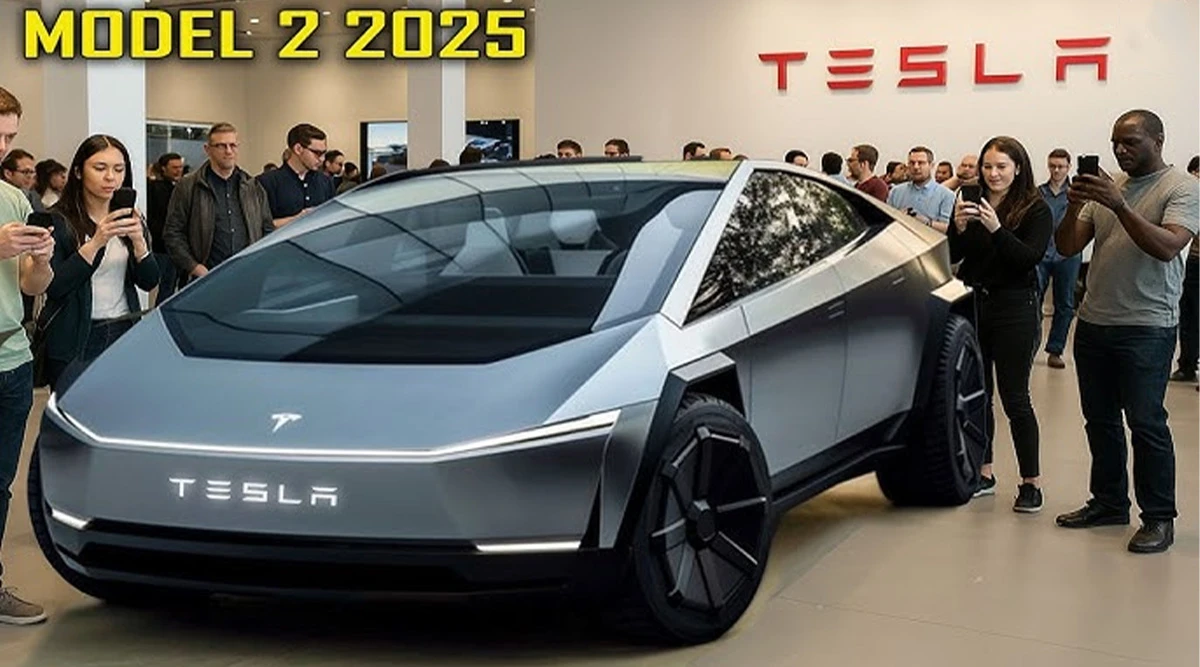
At the critical juncture of the global automotive industry's electrification transformation, Tesla officially confirmed its entry-level Model 2 mass production plan in April 2024. This model, codenamed "Redwood", is regarded by Musk as "a key puzzle to accelerate the global sustainable energy transformation". Its starting price of $25,000 (approximately CNY 182,000) directly cuts into the mainstream consumer market, with an annual sales target of 2 million units, equivalent to 1.1 times Tesla's global total sales in 2023.
The strategic significance of Model 2 goes far beyond the product itself. Against the backdrop of BYD topping the global sales charts with models in the CNY 100,000-200,000 price range, Tesla has systematically laid out the affordable market for the first time through Model 2. The plan to put its three super factories in Mexico, Berlin and Shanghai into production simultaneously not only demonstrates Tesla's ability to deeply integrate the global supply chain, but also implies its ambition to fully penetrate the three core markets of Europe, China and North America.
2. Technology dimensionality reduction: structural innovation reshapes the cost logic of electric vehicles
The core breakthrough of Model 2 lies in its technical paradox of "battery volume reduced by 25% but range of 480 kilometers". By integrating the structural innovation of 4680 cylindrical batteries and the new CTP (Cell to Pack) technology, Tesla has increased the energy density of the battery pack to 200Wh/kg, and at the same time, through the body integration die-casting process, the weight of the whole vehicle has been reduced by 30% compared with Model 3. This combination of "lightweight + high energy density" has achieved a 40% reduction in energy consumption cost per kilometer.
In terms of power system, Model 2 will be equipped with a new generation of drive units shared with Robotaxi, eliminating the combination of rare earth metal permanent magnet motors and silicon carbide inverters, reducing the powertrain cost by 50%. It is worth noting that its R&D process is deeply bound to the Robotaxi project. In the future, it may achieve a fully autonomous driving form with a detachable steering wheel through OTA upgrades, reserving an interface for the shared travel market.
3. Supply chain revolution: vertical integration builds a cost moat
Tesla has reduced the manufacturing cost of Model 2 to 70% of Model 3 through the "Unboxed" production process. This process integrates the seats directly into the battery chassis through modular assembly, reducing the moving distance of the production line by 30%; at the same time, the Giga Press 6100-ton die-casting machine is used to reduce the number of rear body parts from 70 to 1, and the manufacturing cost of a single body is reduced by US$400.
At the battery supply chain level, the lithium iron phosphate battery developed by Tesla in cooperation with CATL and Panasonic has exceeded 3,000 battery cycle life and reduced the cost to US$90/kWh through the application of silicon-based negative electrode materials. With its self-built lithium ore refinery and battery recycling network, the battery cost of Model 2 is 25% lower than the industry average, providing a solid foundation for its price war.
4. Market Reconstruction: The "Romance of the Three Kingdoms" in the Affordable Market
The arrival of Model 2 will reshape the competitive landscape of the global electric vehicle market. In Europe, its pre-sale price of $25,000 is a crushing advantage over Volkswagen ID.3 (about $32,000), directly threatening Volkswagen's dominant position in the affordable market. In the Chinese market, models such as BYD Seagull and GAC Aion Y will face the dual challenges of brand premium and technical barriers. The localized production of Tesla's Shanghai factory is more likely to lower the terminal price of Model 2 to the CNY150,000 range, forming a dimensionality reduction attack on the CNY100,000-150,000 price band.
In terms of technical routes, Model 2's LFP battery solution forms differentiated competition with BYD's blade battery and CATL's Kirin battery. Although its 480-kilometer range is lower than some domestic models, the actual use experience is still competitive due to the advantages of Tesla's supercharging network (5,000+ stations worldwide) and BMS battery management system. In the field of autonomous driving, if Tesla's FSD system can be implemented in China, it will become its core moat that distinguishes it from local brands.
5. Controversy and Challenges: Dual Tests of Production Capacity and Quality
Although Model 2 is highly anticipated, it faces equally severe challenges. The first is the problem of capacity ramp-up. Tesla plans to achieve a production capacity of 3 million vehicles in 2025, but the delayed construction of the Mexican factory may affect global supply. The second is the balance between cost control and quality. Some industry insiders are worried that overly simplified designs may lead to quality control problems, such as the uneven body gaps that appeared in the early Model 3.
At the market level, the rapid rise of Chinese brands is squeezing the living space of foreign-funded automakers. BYD, Geely and other companies have built technical barriers in the CNY 150,000-200,000 market through innovations such as 800V high-voltage platforms and CTC technology. If Model 2 cannot achieve breakthroughs in intelligent configurations (such as AR-HUD and LiDAR), it may face doubts that "brand premium is not enough to support product strength."
6. Future Outlook: From Single Product Explosion to Ecological Layout
The success of Model 2 will directly affect Tesla's goal of 20 million annual sales in 2030. Its significance lies not only in expanding market share, but also in building a product matrix of "entry-level models attracting traffic + high-end models making profits". With the simultaneous advancement of Robotaxi, Tesla is transforming from a simple car manufacturer to an "energy + travel" ecological service provider.
Against the backdrop of the global countdown to the ban on the sale of fuel vehicles, the low-price strategy of Model 2 may accelerate the electrification transformation of traditional car companies. Giants such as Volkswagen and Toyota have announced an additional investment of 20 billion euros to develop a new generation of MEB platform models. Chinese brands, on the other hand, are building a defense system to deal with the impact of Tesla through technology going overseas (such as BYD's Thailand factory) and industrial chain integration (such as CATL's Indonesian nickel mine project).
This new energy revolution triggered by Model 2 is not only about sales and profits, but also determines the ownership of the voice of the global automotive industry in the next decade. When electric vehicles change from "technological luxury" to "mass consumer product", the real industry reconstruction has just begun.