

Tank 500 PHEV: Two Hybrid Architectures on One Ladder Frame
The Tank 500 is Great Wall's large body-on-frame SUV, and the 2027 plug-in hybrid line is unusual in one respect: it does not sell one drivetrain in three trim levels. It sells two different hybrid architectures in the same body, and the choice between them is the most important decision a buyer makes on this page.
Both are five-door, five-seat SUVs measuring 5,078 mm long, 1,934 mm wide and 1,905 mm tall on a 2,850 mm wheelbase, with 1,635 mm tracks front and rear. Both use the same 1,998 cc turbocharged four-cylinder, code E20NB, rated at 252 PS with 180 kW of net power, and both run on 92-octane fuel. What changes underneath is everything else.
Hi4-T keeps a conventional automatic, a single front motor and a mechanical four-wheel-drive system with a central differential lock. Hi4-Z replaces that with a three-speed dedicated hybrid transmission, a motor on each axle, an 800-volt electrical platform and a battery more than half again as large. The first is the off-road tool; the second is the fast one that can still leave the tarmac.
Clearance, Angles and a 2,500 kg Trailer
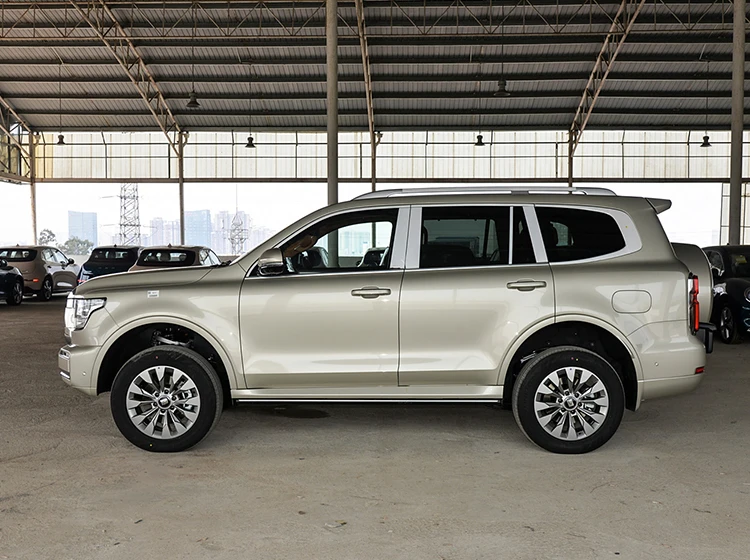
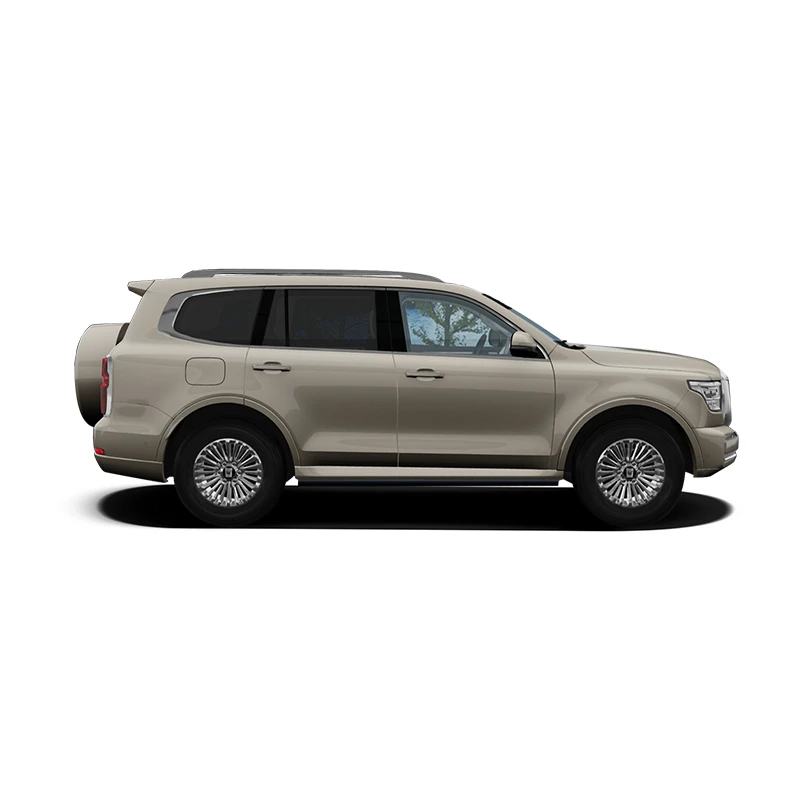
Ground clearance is 213 mm on the two Hi4-T versions and 210 mm on the Hi4-Z. Approach angle is 30 degrees on Hi4-T and 29 on Hi4-Z, with departure at 24 degrees throughout. Permitted towing mass is 2,500 kg on all three, which is the figure that matters for a buyer planning to pull a plant trailer or a boat, and it is quoted identically across the line rather than being an option.
A Spare Wheel on the Tailgate
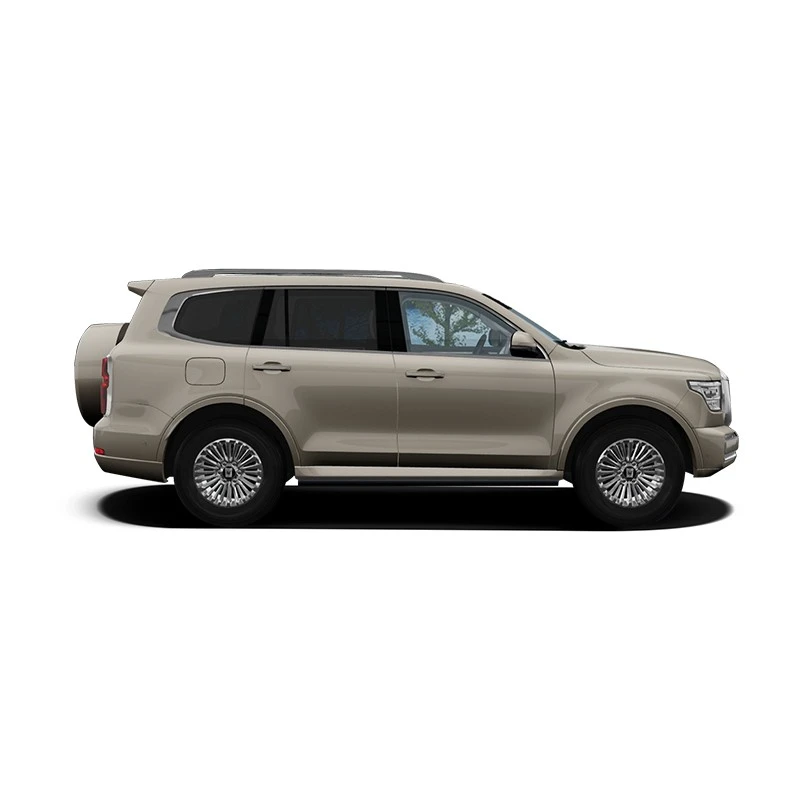
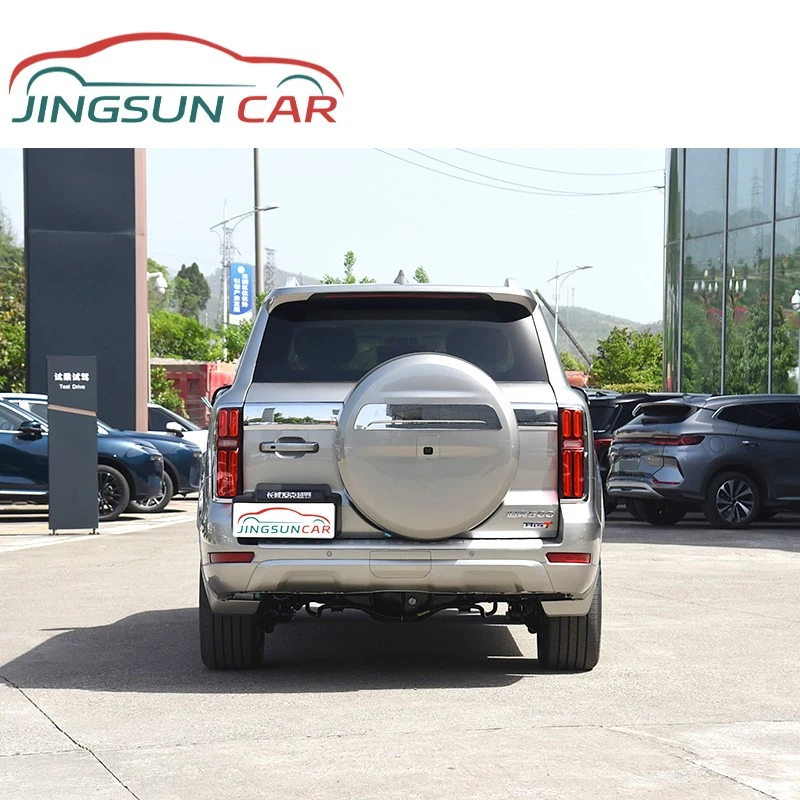
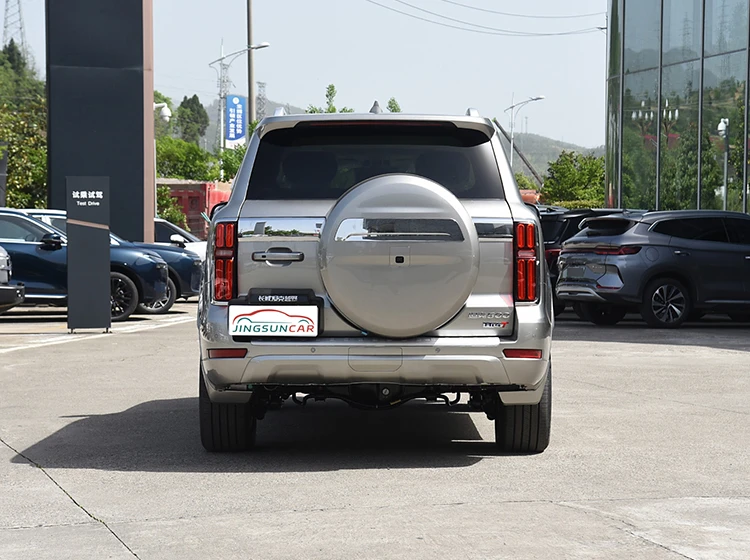
The rear carries a spare wheel mounted on the tailgate rather than underneath the floor, which is the arrangement that keeps the departure angle intact and lets a driver change a wheel without crawling under a loaded vehicle. In markets where a puncture means a long wait for recovery, that is a practical feature rather than a styling one. The trade-off is that the tailgate is heavy and swings wide.
Hi4-T and Hi4-Z: The Actual Difference
Hi4-T uses one front motor rated at 130 kW and 495 N·m, a 37.1 kWh battery and a nine-speed automatic. Combined system output is 310 kW and 750 N·m, it reaches 100 km/h in 6.9 seconds, and it covers 110 km on electricity alone on the WLTC cycle. With the 70-litre tank the published combined range is 928 km. DC charging accepts 103 kW, taking the battery from 30 to 80 per cent in about 16 minutes, and a full slow charge takes 6.5 hours.
Hi4-Z uses a 215 kW front motor and a 240 kW rear motor, a 59.05 kWh battery, a three-speed dedicated hybrid transmission and an 800-volt platform. Combined output is 635 kW and 1,195 N·m, 0-100 km/h takes 4.3 seconds, and electric range rises to 201 km. Combined range with the 77-litre tank is 1,134 km. DC charging accepts 163 kW and takes 15 minutes for the same 30 to 80 per cent window; the larger battery means a full slow charge takes 7.5 hours rather than 6.5.
The off-road hardware does not follow the same order. Hi4-T lists a central differential lock; Hi4-Z does not, because it achieves the same end through independent axle drives rather than a mechanical coupling. Both list low-range four-wheel drive, crawl control and tank turn. For a customer who will genuinely use low range in sand or rock, Hi4-T is the more conventional and more serviceable answer.
The Same Engine in Both
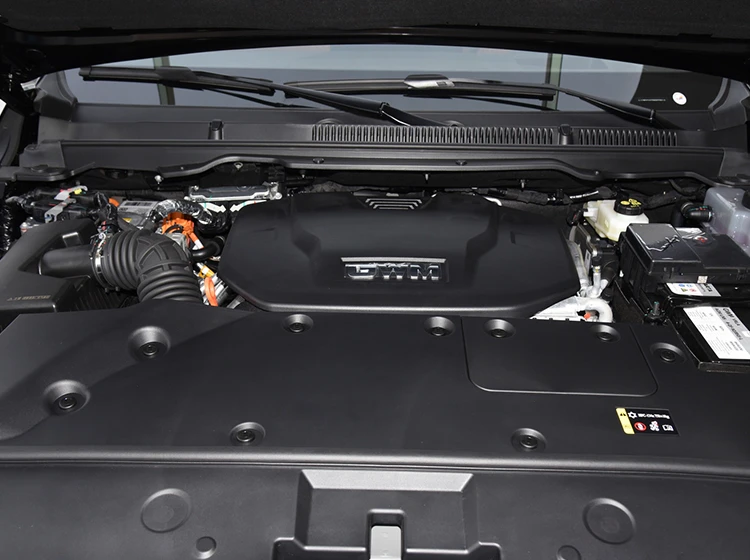
Both architectures use the E20NB: 1,998 cc, turbocharged, direct injection, mounted longitudinally, double overhead camshaft, four valves per cylinder, aluminium head and block, 252 PS with peak power at 6,000 rpm and the engine's own torque band from 1,700 to 4,000 rpm. The difference between the two versions is not the engine but what surrounds it, which is good news for parts commonality and for a fleet running mixed versions.
Fuel and Charge on the Same Quarter
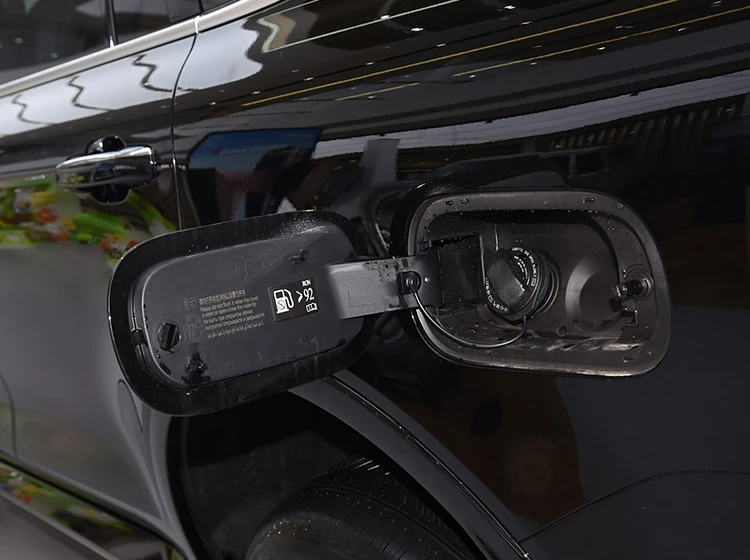
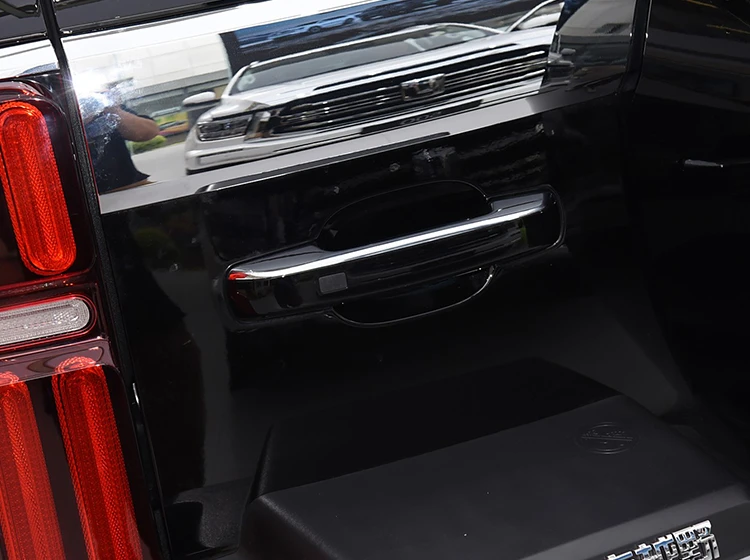
The fuel filler and both charging inlets sit on the rear right quarter. With a 70 or 77-litre tank on board, the car does not depend on charging infrastructure to be usable, which is the reason this kind of vehicle sells in markets where public charging is thin. External discharge is rated at 6 kW on all three versions, enough to run tools or a site office from the vehicle.
Weight, Load and Running Cost
Curb weight is 2,830 kg for Hi4-T and 2,980 kg for Hi4-Z, against maximum laden masses of 3,330 kg and 3,430 kg. That leaves a payload margin of 500 kg and 450 kg respectively - worth stating plainly, because a five-seat SUV of this size invites assumptions about carrying five adults plus luggage, and the Hi4-Z has the smaller margin of the two despite being the more expensive car.
Boot volume is 1,400 litres on Hi4-T and 1,489 on Hi4-Z, both measured to the roof with the rear seats in place rather than folded. Electricity consumption is 24.4 kWh per 100 km on Hi4-T and 26.6 on Hi4-Z. WLTC combined fuel consumption is 2.16 and 0.85 L/100 km respectively, but those numbers assume a charged battery; the figures that predict real cost for an owner who cannot charge regularly are the low-state-of-charge values, 8.35 and 8.25 L/100 km, and they are close enough that the Hi4-Z's economy advantage largely disappears without plugging in.
Roof Rails and a Flat Load Floor
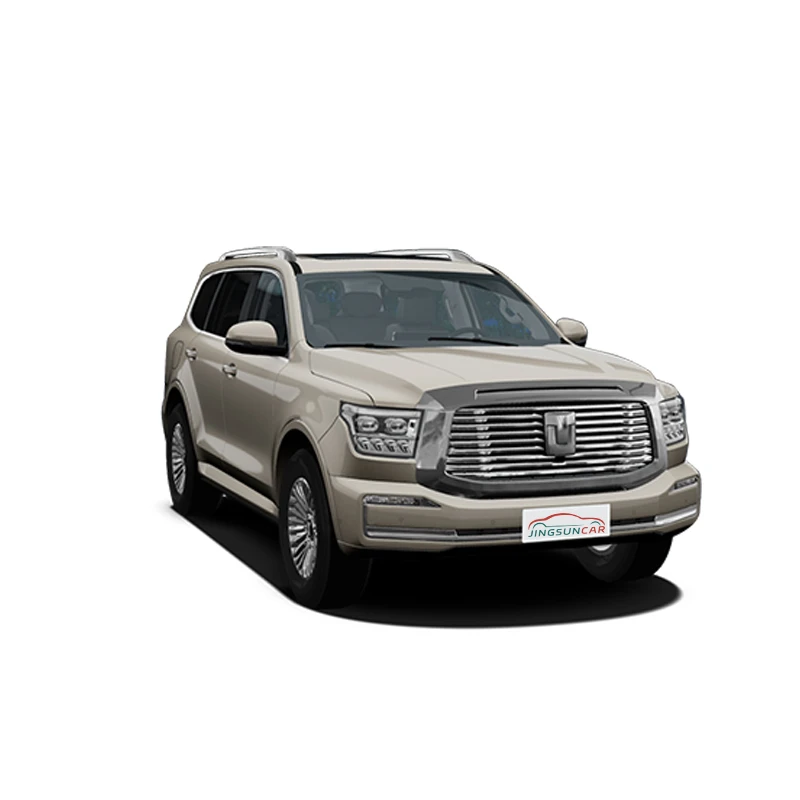
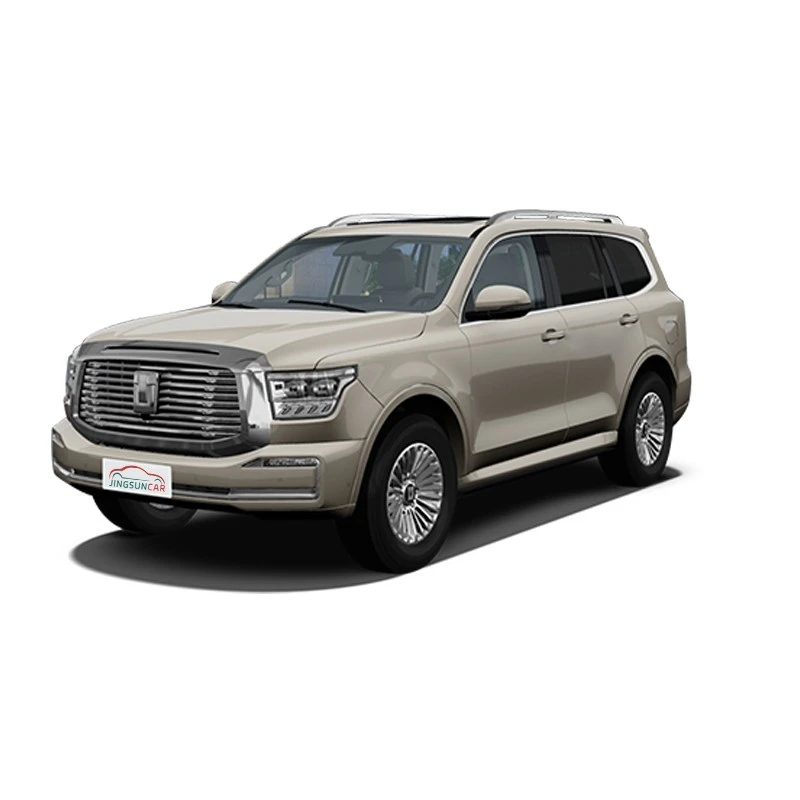
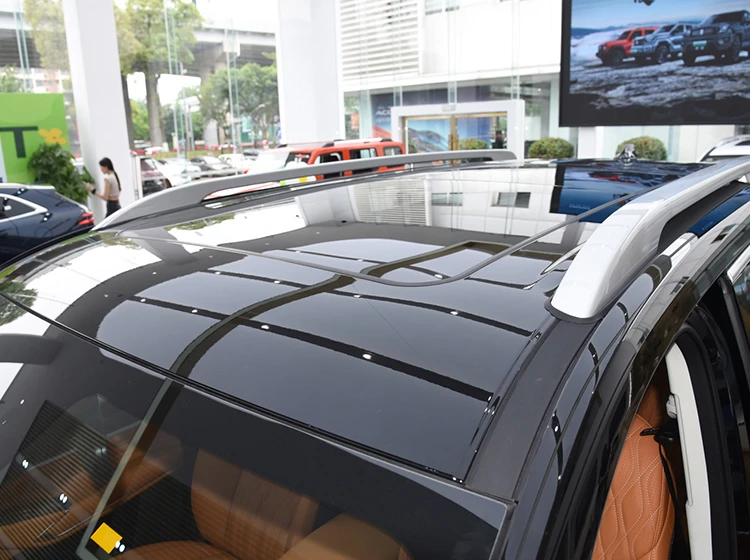
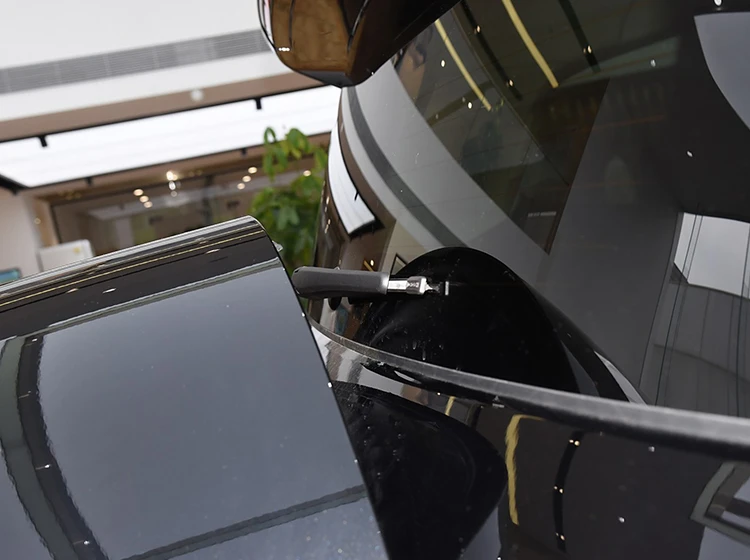
Roof rails are standard on all three versions, so a roof tent or a load basket does not require bodywork. The body is a five-seat layout with the load area behind the second row; the 1,400 and 1,489-litre figures are the manufacturer's published volumes and should be confirmed against the build sheet if exact capacity matters to the order. Rear privacy glass and a rear wiper are standard across the line.
Cabin Equipment Is Uniform
Power adjustment for both front seats, a rear passenger seat-adjust button, rear tray tables, a rear centre armrest with cupholders, independent rear air conditioning with separate temperature zones, a PM2.5 filter, air quality monitoring and an on-board refrigerator are fitted to every version. So are a head-up display, a full LCD instrument panel, heated and memory steering wheel, active noise cancellation and a 220-volt outlet. The trim ladder on this car is narrow; the architecture choice is where the money goes.
Safety and Driver Assistance
Passive safety is identical on all three: driver and passenger airbags, front side airbags, front and rear curtain airbags covering both rows, anti-lock braking, brake force distribution, brake assist, traction control, electronic stability control and ISOFIX anchorages, plus an anti-rollover system that matters on a vehicle with a 1,905 mm roof height.
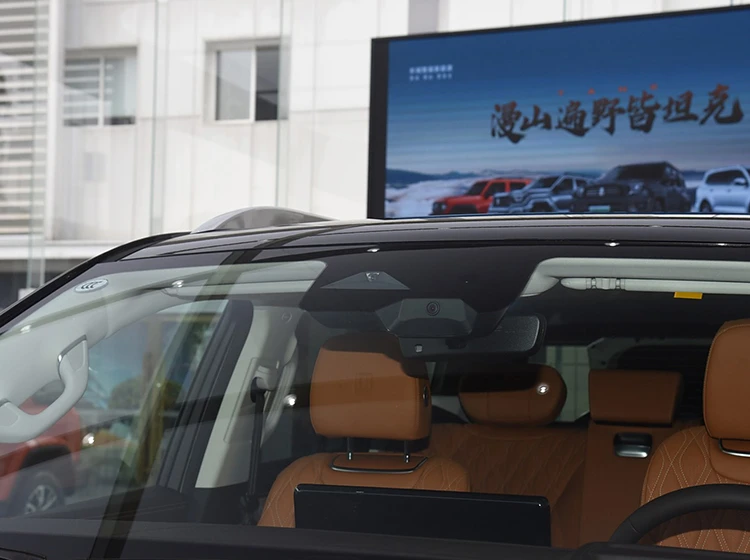
Driver assistance is also identical, and it is a long list: lane departure warning, active braking, forward and rear collision warning, door-opening warning, driver fatigue reminder, lane keeping, lane centring, lane change assist, rear cross-traffic alert, traffic sign recognition, traffic light recognition, front and rear parking radar, a 540-degree camera view, assisted parking, remote parking, memory parking, reversing assist with path memory, assisted lane change and assisted on and off-ramp driving. A built-in dash camera and sentry mode are standard, which in a market where vehicles are frequently targeted is worth more than it reads on a specification sheet.
Two items separate the versions rather than the architectures. Hands-off detection is not fitted to the base Hi4-T but is present on Hi4-T Premium and Hi4-Z Premium, and multi-finger screen gesture control follows the same pattern. A night vision system is listed as an option on all three.
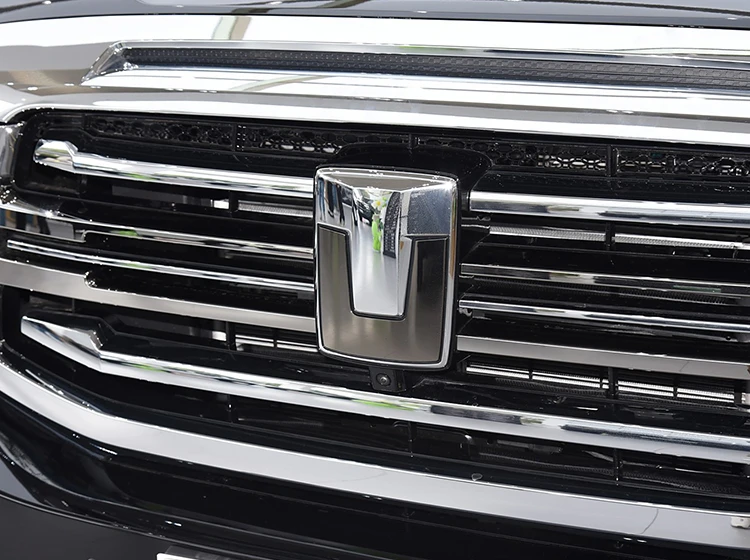
The Front End
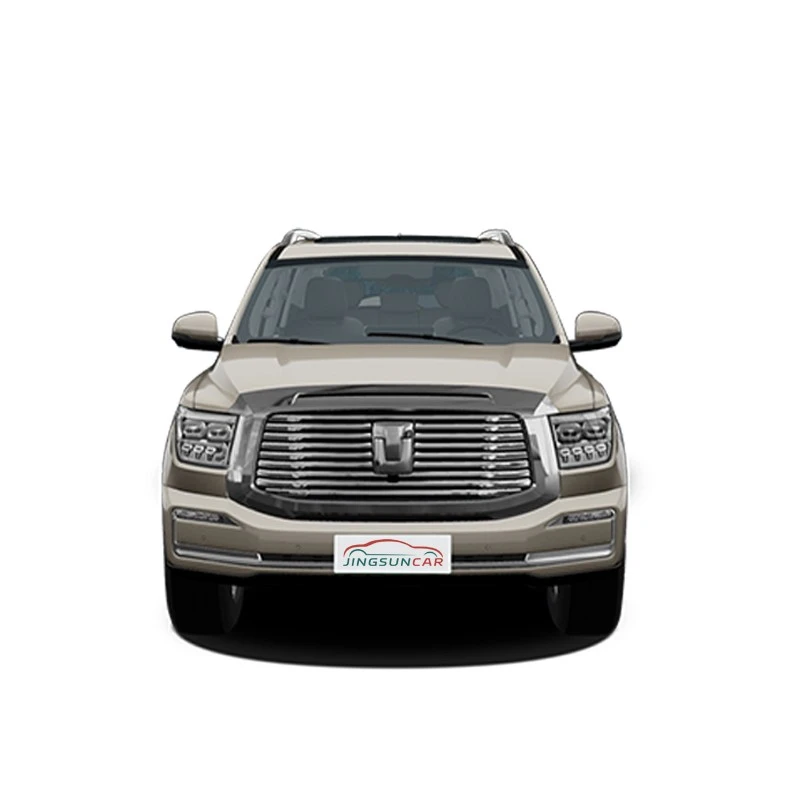
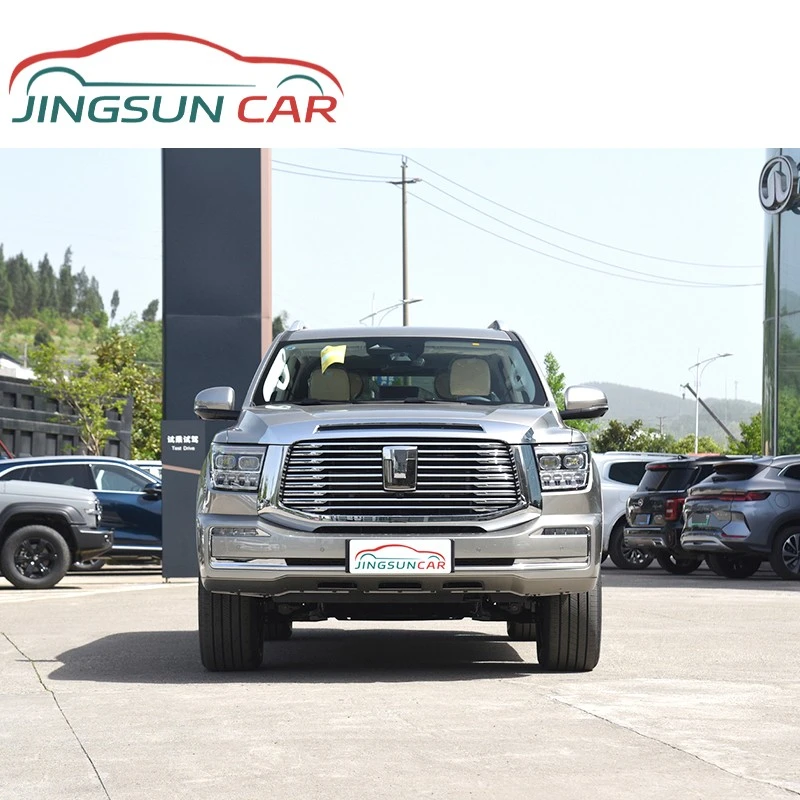
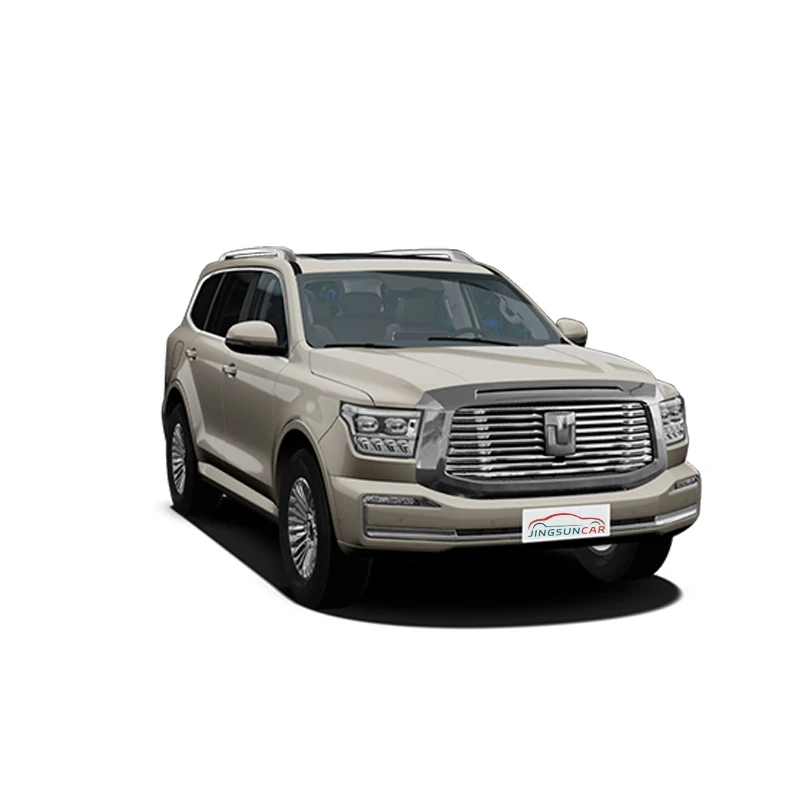
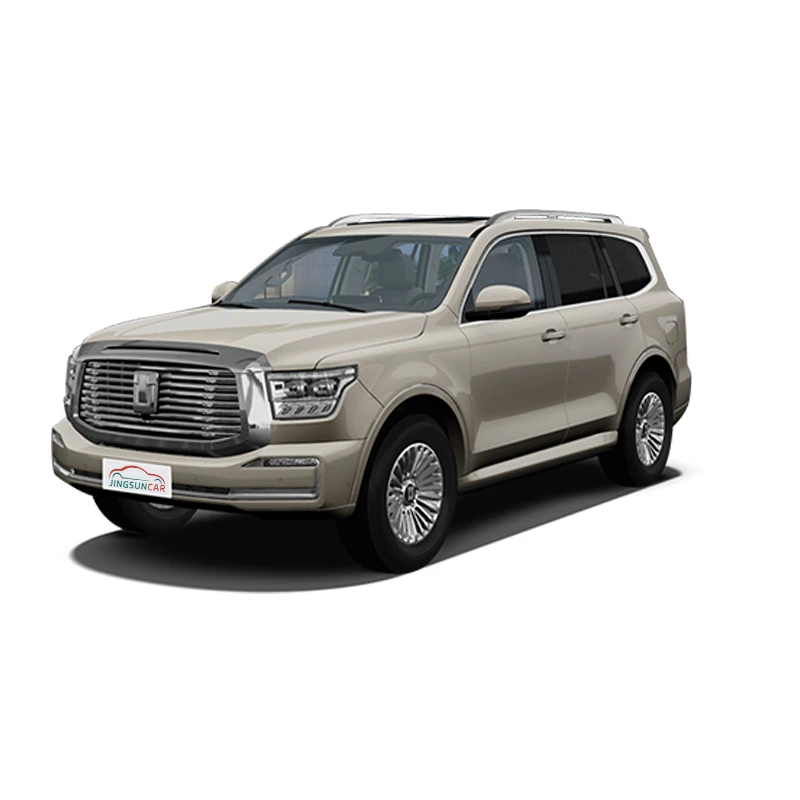
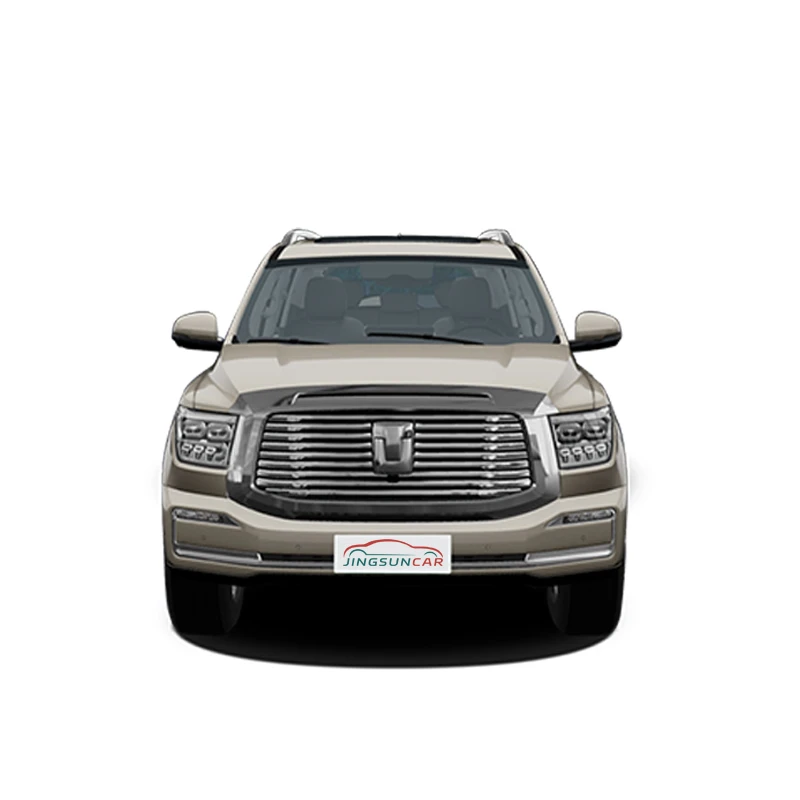
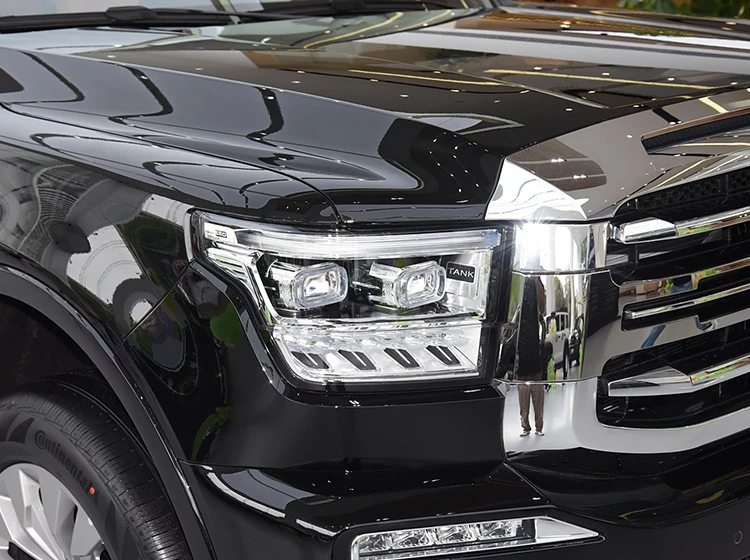
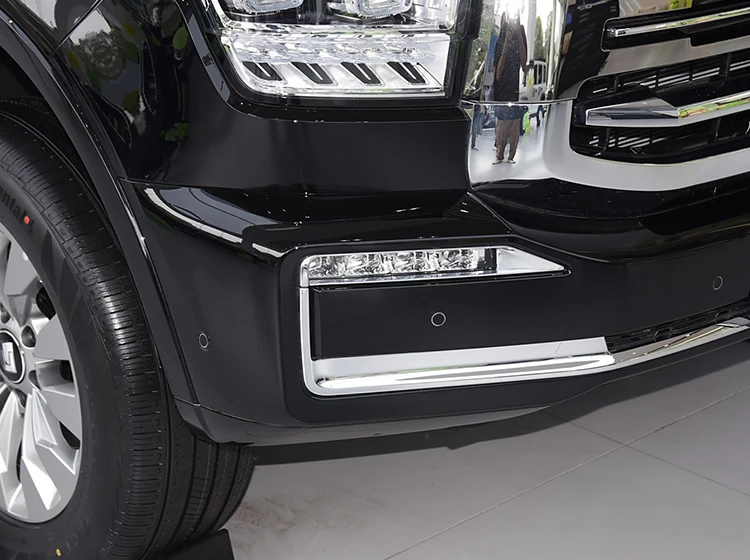
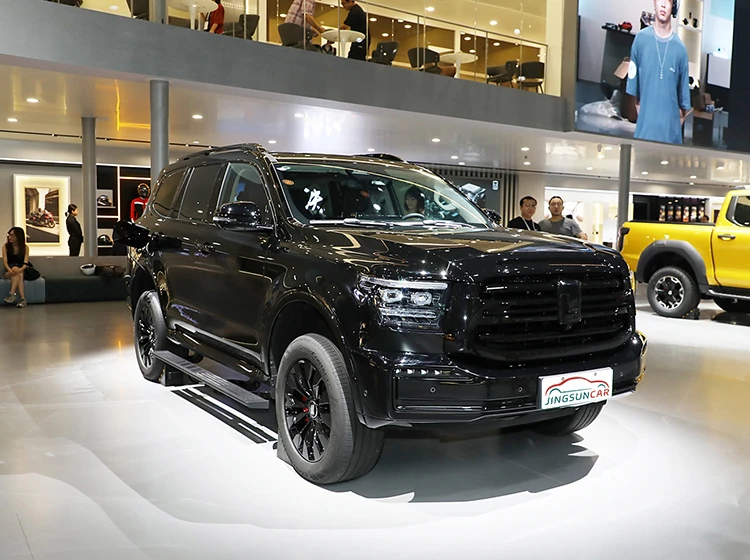
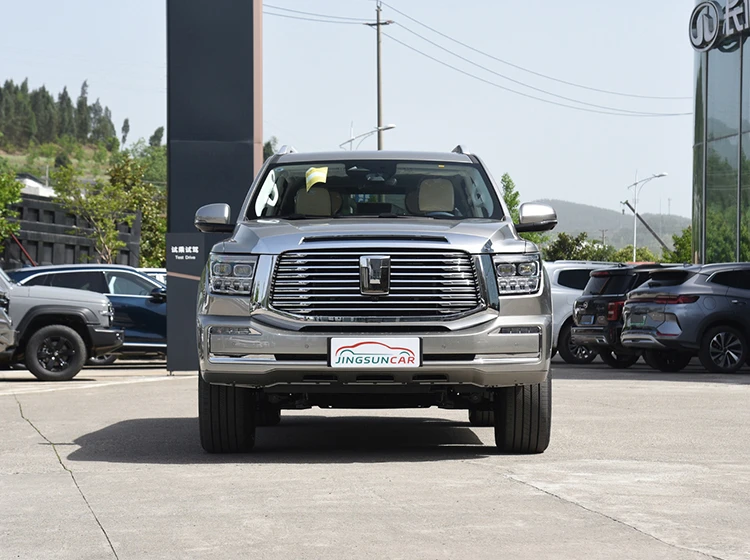
A broad chrome grille with horizontal bars carries the Tank badge centrally, and the lamp units sit high and square at each corner rather than sweeping back into the wing. It is a deliberately upright, truck-like face, and it signals what the vehicle is before anyone reads the specification. Buyers replacing the badge or adding fleet livery should note that the front emblem sits on a solid panel inside the grille.
Lighting
LED daytime running lights, adaptive high and low beam, automatic headlights, manual height adjustment, a cornering assist light and a delayed switch-off are standard on all three versions. Adaptive beam as standard rather than as a top-trim option is unusual at this level and is the item to point out to buyers running night convoys or unlit desert routes.
What Decides a Tank 500 Order
Five points, in the order they change the outcome.
Architecture before trim
Hi4-T and Hi4-Z are different drivetrains, not equipment levels. Decide that first; the trim ladder is narrow.
Central diff lock on Hi4-T only
A mechanical lock for hard off-road use, absent on Hi4-Z. Low range, crawl control and tank turn are on both.
8.3 L/100 km with a flat battery
The low-SOC figure is the honest one for buyers who cannot plug in, and it flattens the economy gap between the two.
500 kg versus 450 kg payload
Hi4-Z weighs more and carries less. Check the plate before promising five adults plus luggage.
800 volts on Hi4-Z
163 kW DC and 15 minutes 30-80 per cent - useful only where the destination has chargers that can supply it.
Ordering Notes for Importers
Three points before an order is confirmed. First, confirm whether the destination market can support an 800-volt vehicle in service, because the Hi4-Z's advantage depends on charging equipment that can actually deliver 163 kW and on technicians trained for the higher-voltage system. Second, confirm the emission standard and after-treatment configuration required in your market, since the published figures cover the Chinese National VI specification only. Third, confirm the payload requirement against the plate for the specific version, because the difference between 500 kg and 450 kg decides whether a five-seat load is legal.
Vehicle specifications, colours and equipment availability change by production batch. Please confirm the exact configuration, model year and delivery schedule with our sales team before issuing a purchase order, and treat the parameter table on this page as a reference for the versions currently listed rather than a binding offer.
Product Details
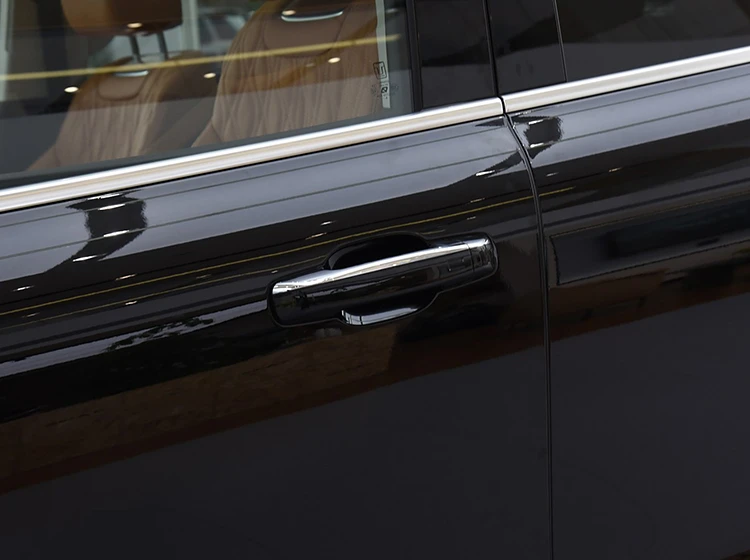
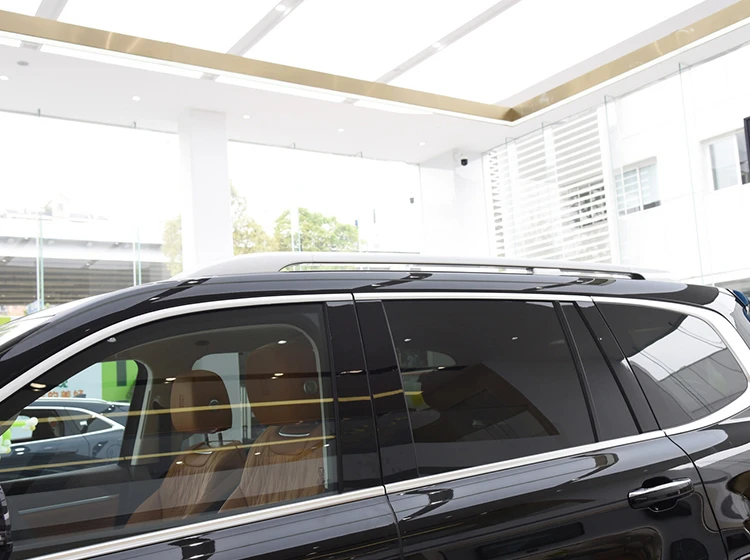
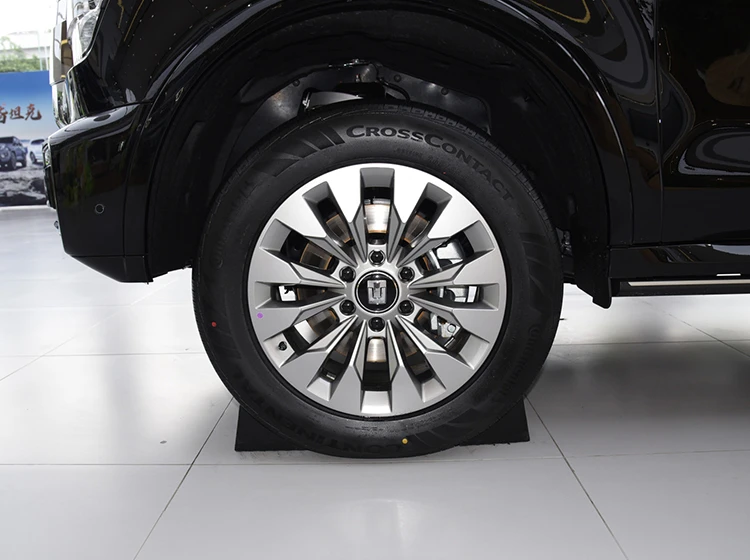
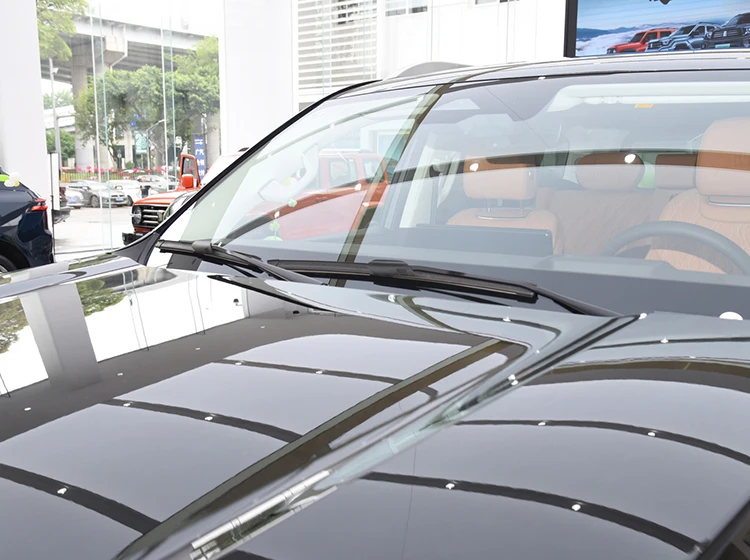
For current availability of the Tank 500, mixed-container options and documentation for your market, send your requirement through the enquiry form on this page. Please include destination port, quantity, preferred architecture and required model year so that we can respond with an accurate offer.
| ● Standard configuration ○ Optional -- None |
Tank 500 PHEV 2027 Hi4-T | Tank 500 PHEV 2027 Hi4-T Premium | Tank 500 PHEV 2027 Hi4-Z Premium |
| Basic Parameters | |||
| Manufacturer | Great Wall Motors | Great Wall Motors | Great Wall Motors |
| Level | Medium and large SUV | Medium and large SUV | Medium and large SUV |
| Energy type | Plug-in hybrid | Plug-in hybrid | Plug-in hybrid |
| Environmental protection standards | National VI | National VI | National VI |
| Time to market | 2026-10-23 | 2026-10-23 | 2026-10-23 |
| WLTC pure electric cruising range (km) | 110 | 110 | 201 |
| Battery fast charging time (h) | 0.27 | 0.27 | 0.25 |
| Battery slow charging time (h) | 6.5 | 6.5 | 7.5 |
| Fast charging range (%) | 30-80 | 30-80 | 30-80 |
| Slow charging range (%) | 15-100 | 15-100 | 20-100 |
| Maximum power(kW) | 310 | 310 | 635 |
| Maximum torque(N·m) | 750 | 750 | 1195 |
| Gearbox | 9 gears, hand-in-one | 9 gears, hand-in-one | 3-speed DHT |
| Body structure | 5-door 5-seater SUV | 5-door 5-seater SUV | 5-door 5-seater SUV |
| Engine | 2.0T 252 horsepower L4 | 2.0T 252 horsepower L4 | 2.0T 252 horsepower L4 |
| Motor(Ps) | 177 | 177 | 619 |
| Length*Width*Height (mm) | 5078*1934*1905 | 5078*1934*1905 | 5078*1934*1905 |
| Official 0-100km/h acceleration (s) | 6.9 | 6.9 | 4.3 |
| Maximum speed (km/h) | 180 | 180 | 180 |
| WLTC comprehensive fuel consumption (L/100km) | 2.16 | 2.16 | 0.85 |
| Fuel consumption at low SOC (L/100km) WLTC | 8.35 | 8.35 | 8.25 |
| Combined fuel and electricity consumption (L/100km) | 4.99 | 4.99 | 3.94 |
| Curb weight (kg) | 2830 | 2830 | 2980 |
| Maximum full load mass (kg) | 3330 | 3330 | 3430 |
| Permitted towing mass (kg) | 2500 | 2500 | 2500 |
| Car Body | |||
| Length (mm) | 5078 | 5078 | 5078 |
| Width (mm) | 1934 | 1934 | 1934 |
| Height (mm) | 1905 | 1905 | 1905 |
| Wheelbase(mm) | 2850 | 2850 | 2850 |
| Front track (mm) | 1635 | 1635 | 1635 |
| Rear track (mm) | 1635 | 1635 | 1635 |
| Minimum ground clearance (mm) | 213 | 213 | 210 |
| Approach angle (°) | 30 | 30 | 29 |
| Departure angle (°) | 24 | 24 | 24 |
| Car door opening method | Swing door | Swing door | Swing door |
| Fuel tank volume (L) | 70 | 70 | 77 |
| Trunk volume (L) | 1400 | 1400 | 1489 |
| Engine | |||
| Engine model | E20NB | E20NB | E20NB |
| Displacement (mL) | 1998 | 1998 | 1998 |
| Intake form | Turbocharged | Turbocharged | Turbocharged |
| Engine layout | Vertical | Vertical | Vertical |
| Cylinder arrangement | L | L | L |
| Number of cylinders | 4 | 4 | 4 |
| Valves per cylinder | 4 | 4 | 4 |
| Valve train | DOHC | DOHC | DOHC |
| Maximum horsepower (Ps) | 252 | 252 | 252 |
| Maximum power speed (rpm) | 6000 | 6000 | 6000 |
| Maximum torque speed (rpm) | 1700-4000 | 1700-4000 | 1700-4000 |
| Maximum net power (kW) | 180 | 180 | 180 |
| Fuel grade | 92# | 92# | 92# |
| Fuel supply method | Direct injection | Direct injection | Direct injection |
| Cylinder head material | Aluminum alloy | Aluminum alloy | Aluminum alloy |
| Cylinder block material | Aluminum alloy | Aluminum alloy | Aluminum alloy |
| Electric Motor | |||
| Front motor model | TZ290XH007 | TZ290XH007 | TZ290XH006 |
| Rear motor model | -- | -- | TZ220XH008 |
| Motor type | Permanent magnet/synchronous | Permanent magnet/synchronous | Permanent magnet/synchronous |
| Total motor power (kW) | 130 | 130 | 455 |
| Total motor horsepower (Ps) | 177 | 177 | 619 |
| Total torque of motor (N·m) | 495 | 495 | 815 |
| Front motor maximum power (kW) | 130 | 130 | 215 |
| Front motor maximum torque (N·m) | 495 | 495 | 400 |
| Rear motor maximum power (kW) | -- | -- | 240 |
| Rear motor maximum torque (N·m) | -- | -- | 415 |
| System comprehensive power (kW) | 310 | 310 | 635 |
| Combined system horsepower (Ps) | 422 | 422 | 864 |
| System comprehensive torque (N·m) | 750 | 750 | 1195 |
| Number of drive motors | Single motor | Single motor | Dual motor |
| Motor layout | Front | Front | Front + rear |
| Battery & Charging | |||
| Battery cooling method | Liquid cooling | Liquid cooling | Liquid cooling |
| WLTC combined range (km) | 928 | 928 | 1134 |
| Battery energy (kWh) | 37.1 | 37.1 | 59.05 |
| Electricity consumption per 100 kilometers (kWh/100km) | 24.4 | 24.4 | 26.6 |
| Fast charging function | Supported | Supported | Supported |
| DC fast charging power (kW) | 103 | 103 | 163 |
| High-voltage DC fast charging | -- | -- | Supported |
| High-voltage platform (V) | -- | -- | 800 |
| Slow charging port position | Rear right side of vehicle | Rear right side of vehicle | Rear right side of vehicle |
| Fast charging port position | Rear right side of vehicle | Rear right side of vehicle | Rear right side of vehicle |
| External AC discharge power (kW) | 6 | 6 | 6 |
| Chassis & Transmission | |||
| Number of gears | 9 | 9 | 3 |
| Transmission type | Automatic transmission (AT) | Automatic transmission (AT) | Dedicated hybrid transmission (DHT) |
| Body structure (chassis) | Body-on-frame | Body-on-frame | Body-on-frame |
| Safety Equipment | |||
| Main/passenger seat airbag | Main●/deputy● | Main●/deputy● | Main●/deputy● |
| Front/rear side airbags | Front●/rear- | Front●/rear- | Front●/rear- |
| Front/rear head airbags (curtain airbags) | Front●/rear● | Front●/rear● | Front●/rear● |
| ABS anti-lock | ● | ● | ● |
| Braking force distribution (EBD/CBC etc.) | ● | ● | ● |
| Brake assist (EBA/BAS/BA etc.) | ● | ● | ● |
| Traction control (ASR/TCS/TRC etc.) | ● | ● | ● |
| Electronic stability control (ESC/ESP/DSC etc.) | ● | ● | ● |
| ISOFIX child seat anchor | ● | ● | ● |
| Lane Departure Warning System | ● | ● | ● |
| Active braking/active safety system | ● | ● | ● |
| Driver fatigue reminder | ● | ● | ● |
| DOW door opening warning | ● | ● | ● |
| Forward collision warning | ● | ● | ● |
| Rear collision warning | ● | ● | ● |
| Sentry mode | ● | ● | ● |
| Low-speed driving warning | ● | ● | ● |
| Built-in dash cam | ● | ● | ● |
| Roadside assistance call | ● | ● | ● |
| Anti-rollover system | ● | ● | ● |
| Driving Assistance | |||
| Energy recovery system | ● | ● | ● |
| Auto hold | ● | ● | ● |
| Hill start assist | ● | ● | ● |
| Hill descent control | ● | ● | ● |
| Front/rear parking radar | Front●/rear● | Front●/rear● | Front●/rear● |
| Transparent chassis / 540-degree image | ● | ● | ● |
| Rear cross-traffic alert | ● | ● | ● |
| Satellite navigation system | ● | ● | ● |
| Navigation traffic information display | ● | ● | ● |
| Lane change assist | ● | ● | ● |
| Lane keeping assist system | ● | ● | ● |
| Lane centering control | ● | ● | ● |
| Road traffic sign recognition | ● | ● | ● |
| Night vision system | ○ | ○ | ○ |
| Assisted parking | ● | ● | ● |
| Remote parking | ● | ● | ● |
| Memory parking | ● | ● | ● |
| Reversing assist with path memory | ● | ● | ● |
| Assisted lane change | ● | ● | ● |
| Assisted on/off-ramp driving | ● | ● | ● |
| Traffic light recognition | ● | ● | ● |
| Hands-off detection | -- | ● | ● |
| 4WD / Off-road | |||
| Central differential lock | ● | ● | -- |
| Low-range 4WD | ● | ● | ● |
| Crawl control | ● | ● | ● |
| Tank turn | ● | ● | ● |
| Trailer power socket | ○ | ○ | ○ |
| Exterior, Glass & Mirrors | |||
| Roof rack | ● | ● | ● |
| Engine electronic anti-theft | ● | ● | ● |
| In-car central lock | ● | ● | ● |
| Keyless start system | ● | ● | ● |
| Battery preheating | ● | ● | -- |
| External discharge | ● | ● | ● |
| LED daytime running lights | ● | ● | ● |
| Adaptive high and low beam | ● | ● | ● |
| Automatic headlight | ● | ● | ● |
| Cornering assist light | ● | ● | ● |
| Headlight height adjustable | ● | ● | ● |
| Delayed turn off of headlights | ● | ● | ● |
| Front/rear electric windows | Front●/rear● | Front●/rear● | Front●/rear● |
| Window anti-pinch function | ● | ● | ● |
| Rear side privacy glass | ● | ● | ● |
| Rear wiper | ● | ● | ● |
| Intelligent Connectivity | |||
| Bluetooth/car phone | ● | ● | ● |
| Voice wake-up free word | ● | ● | ● |
| Voice continuous recognition | ● | ● | ● |
| Visible and speakable | ● | ● | ● |
| App store | ● | ● | ● |
| Rear-seat media control | ● | ● | ● |
| Multi-finger screen gesture control | -- | ● | ● |
| Car networking | ● | ● | ● |
| OTA upgrade | ● | ● | ● |
| Wi-Fi hotspot | ● | ● | ● |
| Active noise cancellation | ● | ● | ● |
| In-car karaoke | ● | ● | ● |
| Touch reading lights | ● | ● | ● |
| Active ambient lighting | ● | ● | ● |
| Interior & Comfort | |||
| Multifunction steering wheel | ● | ● | ● |
| Steering wheel shift paddles | ● | ● | -- |
| Steering wheel heating | ● | ● | ● |
| steering wheel memory | ● | ● | ● |
| Full LCD instrument panel | ● | ● | ● |
| HUD heads up digital display | ● | ● | ● |
| ETC device | ● | ● | ● |
| 220V/230V power outlet | ● | ● | ● |
| Main/passenger seat power adjustment | Main●/deputy● | Main●/deputy● | Main●/deputy● |
| Rear passenger seat-adjust button | ● | ● | ● |
| Rear seat tray table | ● | ● | ● |
| Front/rear center armrest | Front●/rear● | Front●/rear● | Front●/rear● |
| Rear cup holder | ● | ● | ● |
| Rear independent A/C | ● | ● | ● |
| Rear air vents | ● | ● | ● |
| Temperature zone control | ● | ● | ● |
| PM2.5 filter | ● | ● | ● |
| Air quality monitoring | ● | ● | ● |
| On-board refrigerator | ● | ● | ● |