

Ghanaian automakers, take note: Importing Chinese cars is a real money-maker!
Let's do the math first-Ghanaian automakers can save a fortune on importing Chinese cars just on tariffs!
Starting in 2024, the government will waive tariffs on imported electric vehicles for eight years! Previously, importing a $30,000 Chinese electric bus would cost $6,000 in tariffs (originally 20%), but now it's free. Isn't this $6,000 saved a net profit?

And that's not all! Buying a car also comes with subsidies!
Pure electric vehicles can receive a cash subsidy of 10%-15% of the vehicle price, up to $3,000. For example, if you import a $20,000 Chinese economy electric car, a 15% subsidy would bring the total to $3,000. With tariffs waived and subsidies in place, your actual cost is nearly halved. You have ample pricing flexibility and can even undercut competitors. Wouldn't customers flock to you? Let's see what Ghanaians love to buy-Chinese cars are perfect for their needs!
The Ghanaian market is most in need of economy cars under 1900cc, as well as electric delivery trucks for hauling goods. Chinese automakers specialize in these vehicles, and the prices are reasonable: comparable economy cars are 20% cheaper than Japanese cars; and electric delivery trucks have ample range, making them perfect for hauling e-commerce packages and market goods. E-commerce delivery drivers in Accra are now scrambling to switch to Chinese electric tricycles because charging costs are low, allowing them to make two more trips a day-importing these vehicles means you won't have to worry about selling them!
Plus, parts for Chinese cars are becoming increasingly easier to find, and after-sales service is no slouch.
In the past, people worried about not having parts for imported cars when they broke down. That's no longer the case. In Accra's Kokobele Auto Parts City, many stores now sell brake pads and filters for Chinese cars, at prices up to 30% cheaper than Japanese parts. Customers who buy your cars won't have to worry about not being able to afford repairs, which will naturally lead to more repeat business, and your business will be stable, right?
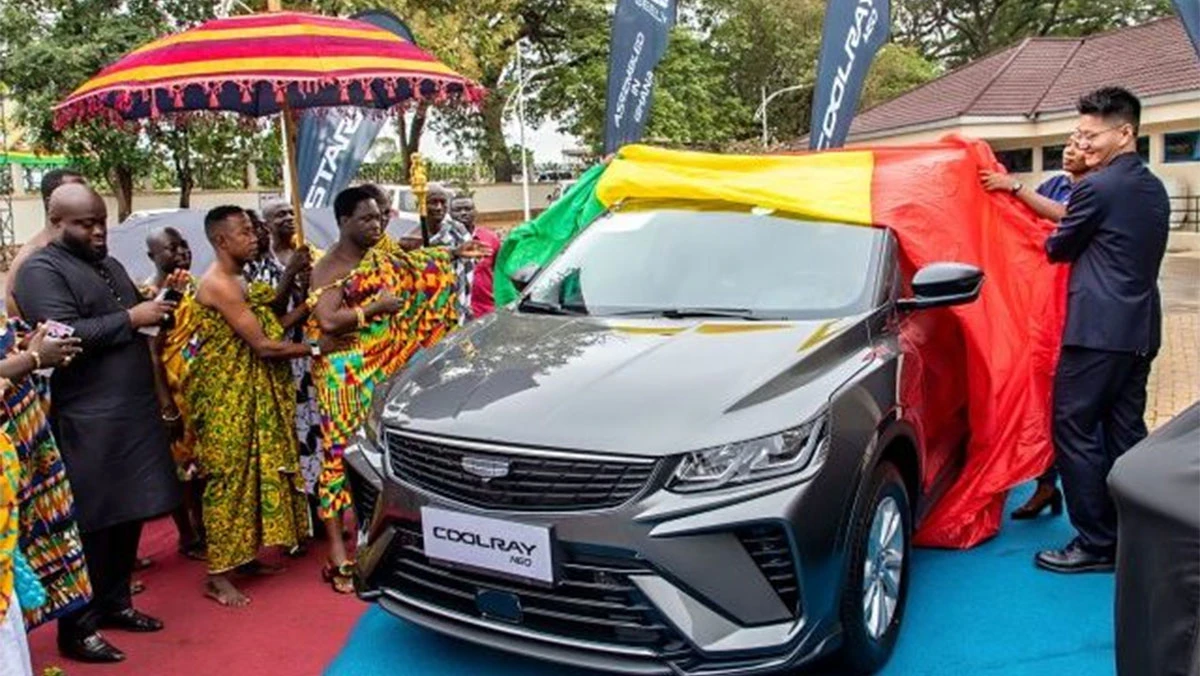
If you want to earn more, you can also rely on local assembly.
The government has announced that assembling Chinese electric vehicles in Ghana will receive a $2,000 production subsidy per vehicle and reduced industrial land rent. By shipping Chinese parts here and finding a small factory to assemble them, costs can be further reduced. For example, assembling a Chinese electric bus will receive a $2,000 subsidy, plus tariff exemptions. This means you can earn nearly $10,000 more per vehicle than simply importing it. Isn't that more than just selling the entire vehicle?
Look at the trend of new energy vehicles-now is the perfect time to enter the market!
The government aims to have 30% of vehicles on the road be new energy vehicles by 2030. Already, electric motorcycle taxis and ride-hailing vehicles are being converted to electric vehicles. China's new energy vehicle technology is mature, and their range and high-temperature resistance are well-suited to Ghana's climate. Importing Chinese new energy vehicles now allows you to benefit from these policies while also seizing a share of the future market. By the time everyone wants electric vehicles, you'll be a seasoned expert, and making money won't be easy.
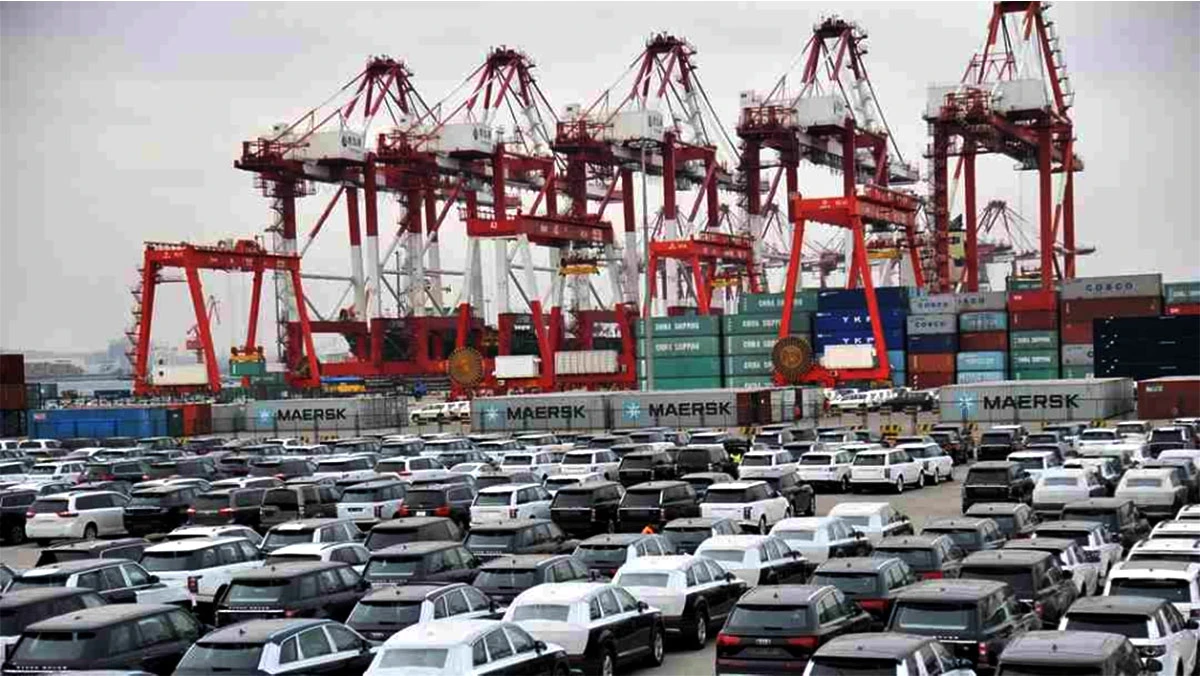
Don't fight Japanese used cars-Chinese cars have policies to back them up!
Everyone used Japanese cars before, but now the government has set a 10-year age limit and requires a certificate of compliance, making costs increasingly expensive. New Chinese cars are not only duty-free and subsidized, but they also comply with new regulations, eliminating the need to worry about customs clearance issues. For the same budget, importing new Chinese cars offers lower risk and higher profits than buying used Japanese cars. Why not?
To put it bluntly, for Ghanaian automakers importing Chinese cars, the key is "policy opportunities, market demand, and manageable costs"-with all three, how can it be hard to make money? Act now to seize the first wave of profits. By the time others realize they've caught on, you'll have already dominated the market!
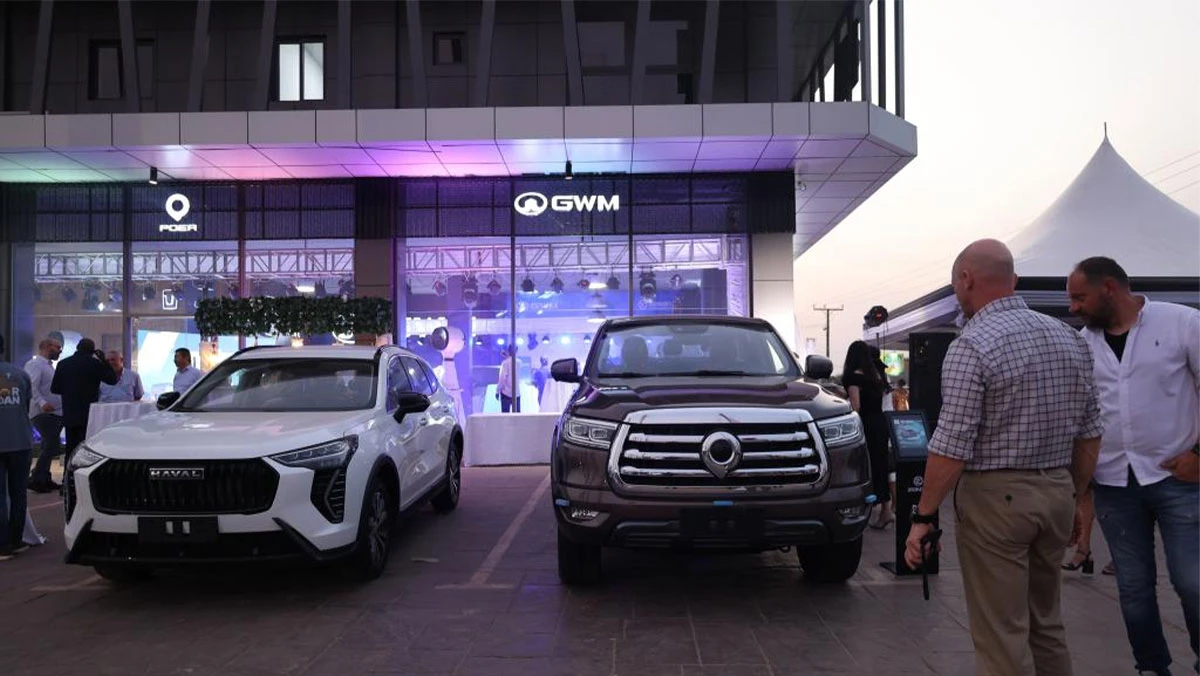
Eight-Year Duty-Free Policy: The 2024 budget proposal released by the Ghanaian Ministry of Finance in November 2023 explicitly exempts import tariffs on electric vehicles for public transportation and locally assembled SKD/CKD electric vehicles, effective until 2032 (Source: GhanaWeb, November 2023; PwC Ghana 2024 Budget Analysis Report).
New Energy Penetration Target: The National Electric Vehicle Policy, launched by the President of Ghana at the 2023 COP28 conference, proposes a target penetration rate of 35% for the 2027-2035 period, with a mid-term target of around 30% by 2030 (Source: Ghana's Ministry of Transport official website, December 2023).
Charging Infrastructure Plan: The government plans to build 1,000 public charging stations by 2028. The 2025 target is not explicitly mentioned in official documents (some industry reports cite this plan). Available public data indicates that there will be only seven public charging stations in Accra in 2024 (Source: London School of Economics and Political Science, Africa Research Center, August 2025; UNDP Ghana Sustainable Transport Report, 2024).
Localization Incentives: Local assembly companies can enjoy import tariff exemptions and VAT reductions for SKD/CKD vehicles. Companies such as BYD have already started construction of assembly plants. Details of the $2,000 per vehicle production subsidy are awaiting official confirmation (Source: International Trade Administration, December 2023; Siemens Stiftung Ghana Electric Mobility Report, 2024).