

Feasibility Analysis of Importing Chinese-Made Vehicles into Burkina Faso
Based on Burkina Faso's automobile import policies, market demand, and energy supply, this article analyzes the feasibility of importing Chinese-made vehicles (particularly new energy vehicles) from four perspectives: policy compatibility, market opportunities, risks and challenges, and implementation paths. This analysis aims to provide decision-making guidance for local importers.
Policy and Standard Compatibility: The Compliance Basis is in Place
1. Alignment of Environmental Protection and Technical Standards
Burkina Faso will implement the Euro IV emission standards harmonized by the Economic Community of West African States (ECOWAS) starting in 2021. China's current National IV emission standards are technically equivalent to Euro IV. New Chinese-made vehicles can pass Burkina Faso customs environmental certification without additional modifications, thus avoiding the risk of non-compliant vehicles being cleared. Furthermore, Chinese automakers' models for the African market (such as high-floor SUVs and buses with corrosion-resistant bodies) have passed vehicle assessments by the Burkina Faso Vehicle Control Center (CCVA) and are shown to meet local road conditions and operating environment requirements.
2. Tariff and Trade Policy Support
From a tariff perspective, Burkina Faso's most-favored-nation tariff on imported cars ranges from 0-20% (for new vehicles), plus an 18% value-added tax (VAT) (the tax base includes the CIF price, tariffs, and transportation costs). While the 0.5% regional tariff imposed by the Confederation of Sahel States in March 2025 will slightly increase costs, the bilateral trade exchange rate between China and Burkina Faso is stable (1 CFA franc = 0.01279 RMB), effectively mitigating the cost risks associated with exchange rate fluctuations.
From a regional trade perspective, as a member of the West African Economic and Monetary Union (UEMOA), Burkina Faso's imported Chinese cars can enjoy duty-free circulation among member states, enabling it to expand its sales reach to neighboring markets such as Mali and Niger.
Market Opportunities: Demand and Supporting Conditions Create Synergy
1. Unleashing Demand for New Vehicle Replacement
The Burkina Faso government has implemented strict controls on used car imports: used vehicles over 10 years old are subject to tax based on a fixed residual value, and the import of high-emission vehicles that do not meet Euro IV standards is prohibited. This has accelerated the elimination of older used vehicles, creating a gap in the new car market.
Chinese-made vehicles are competitive in terms of cost-effectiveness and adaptability. For example, BAIC Foton's custom-made buses for the African market feature high-temperature adaptive temperature control systems and corrosion-resistant bodies, resulting in a 15%-20% lower failure rate than comparable European vehicles. In the passenger car sector, Chinese-branded high-floor SUVs offer a ground clearance of 180-220mm, making them suitable for unpaved roads in rural Burkina Faso and filling the gap left by European models in this market segment.
2. Synergy Opportunities Between New Energy Vehicles and PV Systems
Burkina Faso's local new energy vehicle industry (such as the ITAOUA brand) is still in its infancy, while China's new energy vehicle technology is highly mature, and PV systems can address the unstable energy bottlenecks of the local power grid.
In terms of infrastructure support, Chinese companies such as Hangzhou Aoneng have donated 30 electric vehicle charging stations to Burkina Faso and plan to build supporting small PV power stations, forming a closed loop of "photovoltaic power generation - energy storage - charging."
In terms of market potential, according to Mordor Intelligence data, the African electric vehicle market will have a compound annual growth rate of over 10% from 2024 to 2029. Burkina Faso has over 3,000 hours of sunshine per year, and the power generation cost of PV systems is as low as US$0.08/kWh. This can provide Chinese electric vehicles with stable and low-cost energy security, creating a differentiated competitive advantage of "electric vehicles + PV charging."

3. Gradually Improving After-Sales Service Network
Chinese auto companies have established a service network in West Africa. Chinese-owned 4S dealerships in Tema Port, Ghana (Burkina Faso's main transit port), have established a parts storage center, ensuring a seven-day inventory turnover rate for commonly used parts. Chinese companies are also collaborating with local institutions to conduct technician training. By Q3 2025, over 50 local technicians in Burkina Faso had completed Chinese new energy vehicle repair certification, covering after-sales needs in the capital and major cities, reducing the burden on importers.

Core Challenges and Response Strategies
1. Insufficient Brand Awareness
Challenge: Local consumers have low awareness of Chinese new energy vehicle brands and prefer traditional European and American gasoline-powered vehicles or used Japanese cars.
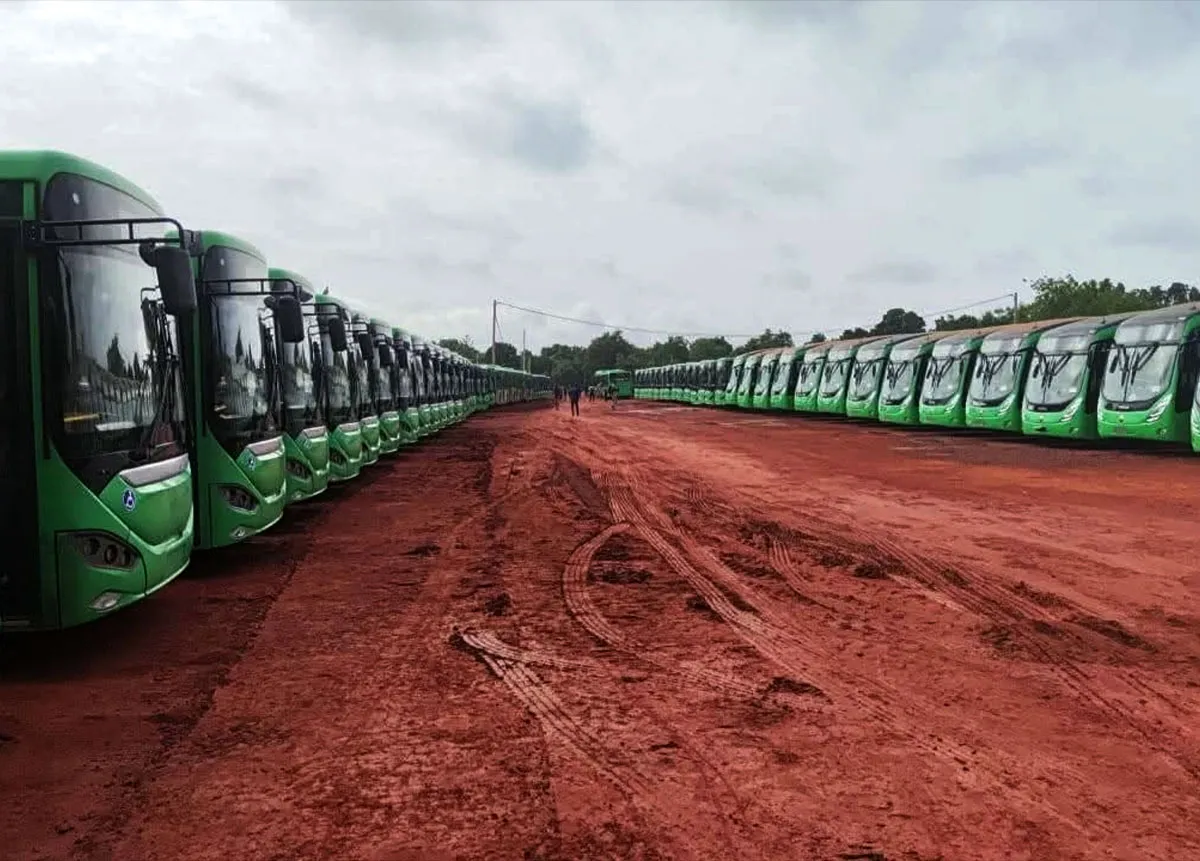
Strategy: Prioritize penetrating the B-end market (public transportation, rental companies, and government procurement). Leveraging Zhongtong Bus's 2025 export of 250 buses to Burkina Faso, establish brand trust through demonstration operations.
Simultaneously, collaborate with Chinese companies to conduct offline experience events, focusing on showcasing the endurance stability of Chinese electric vehicles (e.g., battery thermal management technology adapted to the local climate) and the economic benefits of PV charging.

2. Charging Infrastructure Gap
Challenges: Burkina Faso's power grid coverage is less than 40%, making a purely grid-dependent charging model difficult to implement.
Response Strategy: Adopt a "tiered construction" model: Build integrated charging stations combining PV power generation and fixed charging stations in core cities such as Ouagadougou and Bobo-Dioulasso. In rural areas, introduce small, portable PV charging devices (each device generates approximately 15 kWh of electricity per day, sufficient to charge two to three electric vehicles). Simultaneously, launch "car purchase + PV charging packages," bundling home PV systems with electric vehicles to alleviate consumer energy concerns.
3. Customs Clearance and Compliance Risks
Challenges: Burkina Faso customs conducts strict value verification and document review for imported vehicles. Missing documents such as the ECTN (Electronic Cargo Tracking Note) and CCVA assessment reports can easily lead to cargo detention.
Response Strategy: Partner with Chinese freight forwarders qualified for West African customs clearance to pre-verify the integrity of documents such as commercial invoices, certificates of origin, and CCVA assessment reports. For vehicles under 10 years old, proactively provide residual value assessment reports issued by third-party inspection agencies to avoid fines due to disputes over declared cargo values. Furthermore, establish a communication mechanism with customs authorities to monitor policy adjustments (such as potential updates to ECOWAS emission standards).
Implementation Recommendations
1. Vehicle Selection and Cooperation Model
Prioritize the introduction of two vehicle types: first, new energy buses suitable for public transportation (such as 10-12 meter city buses) to meet government bus upgrade requirements; second, high-floor new energy SUVs (range ≥ 400 km) to meet the transportation and freight needs of rural markets.
2. Collaborative Development of the Industrial Chain
Collaborate with local PV equipment suppliers to launch an integrated "electric vehicle + PV charging" solution, sharing channel resources and customer base. Simultaneously, apply for Burkina Faso's "Renewable Energy + Transportation" pilot project to secure government subsidies for PV system installation (currently, local subsidies for commercial PV projects are 15%-20%), thereby reducing initial investment.
3. Risk Control Measures
Establish a multi-port transshipment plan. In addition to the traditional ports of Lomé, Togo, and Tema, Ghana, expand transshipment channels to the Port of Abidjan, Côte d'Ivoire, to avoid delivery delays caused by congestion at a single port. To address exchange rate risks, adopt a three-currency settlement system of "US dollar, RMB, and West African franc," and agree with Chinese automakers on a fixed exchange rate cycle (e.g., quarterly exchange rate lock) to stabilize cost accounting.

Is it feasible?
Burkina Faso clearly has the potential to import Chinese-made vehicles. Environmental standards and regional trade policies provide support on the policy front. Market-wise, the elimination of used vehicles and the shift to new energy are driving demand, and PV systems can address energy bottlenecks. Furthermore, Chinese companies have established a preliminary after-sales network. Importers must focus on overcoming challenges in brand recognition and infrastructure. By demonstrating strong customer service, supporting PV charging infrastructure, and ensuring regulatory compliance, they can capitalize on the transformation of the West African automotive market and achieve both commercial success and improved local transportation.