
BYD 2025 H1 Results are Remarkable
According to the latest data in the first half of 2025, BYD's sales rankings in the global and Chinese markets are as follows:
Chinese Market: Firmly Ranked As The Double Champion Of The Group And Brand
Group sales: BYD ranked first in China's automobile group sales with 2.146 million vehicles, a year-on-year increase of 33.04%. It is the only automaker with sales exceeding 2 million vehicles in the first half of the year. This figure far exceeds the 2.053 million vehicles of the second-ranked SAIC Group, with a significant leading advantage.
Single brand sales: BYD Auto (Dynasty丨Ocean Series) has sold a total of 1.972 million vehicles, winning the semi-annual sales champion of major brands in the Chinese market with an absolute advantage. Its core models such as Seagull, Song PLUS DM-i, Yuan PLUS, etc. dominate the mainstream market, among which Seagull sold 175,000 vehicles in the first half of the year, and Song Pro DM-i ranked second in new energy SUV sales with 100,000 vehicles.
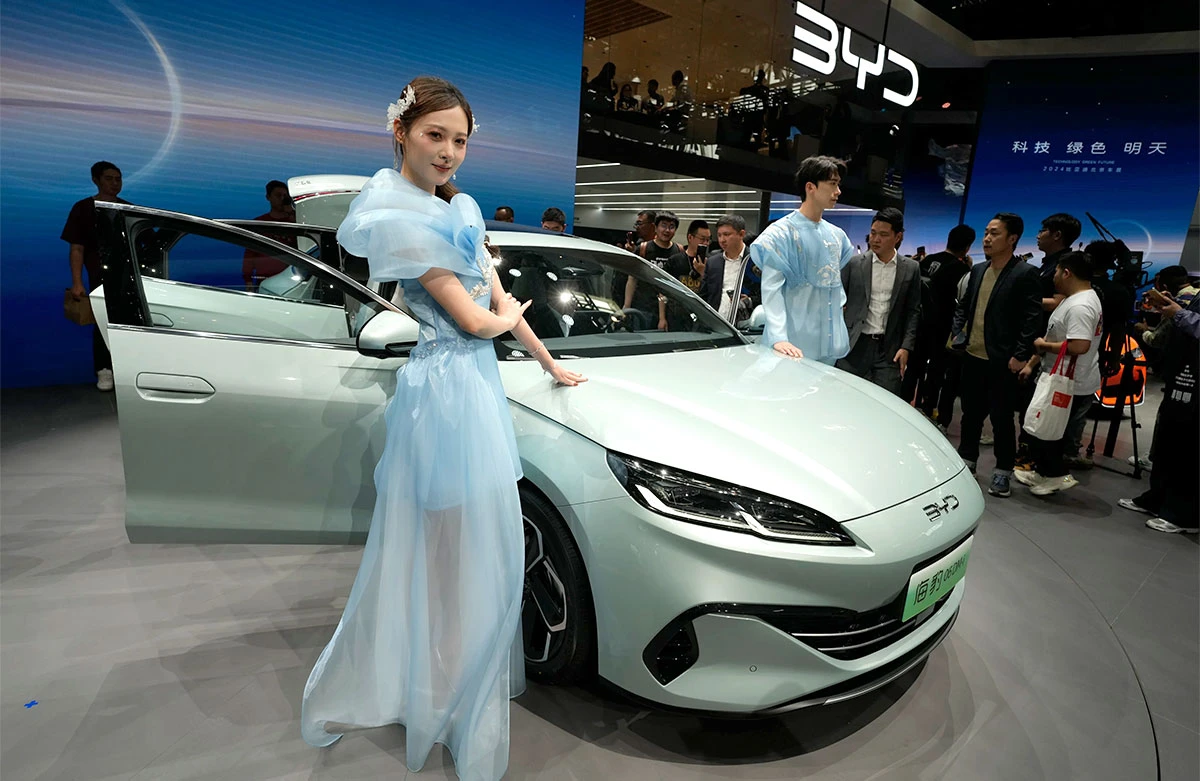
Performance of high-end brands: The three high-end brands of Formula Leopard, Denza, and Yangwang sold a total of 142,000 vehicles, an increase of more than 69% year-on-year. Denza D9 ranked first in the MPV market with 56,000 units, and the monthly sales of Titanium 3 exceeded 12,000 units.
Global Market: New Energy Exports Exploded And Ranked Among The Top Camps
Global ranking forecast:
Combining industry trends and some quarterly data, BYD's global sales in the first half of 2025 are expected to exceed 3 million vehicles (2.146 million vehicles in the Chinese market + about 850,000 vehicles in overseas markets), and it is expected to enter the top ten global automakers in sales. According to Focus2Move's global group ranking as of February 2025, BYD did not enter the top ten, but with strong growth in the second quarter, the actual ranking may have risen to eighth to ninth place.
Overseas market highlights:
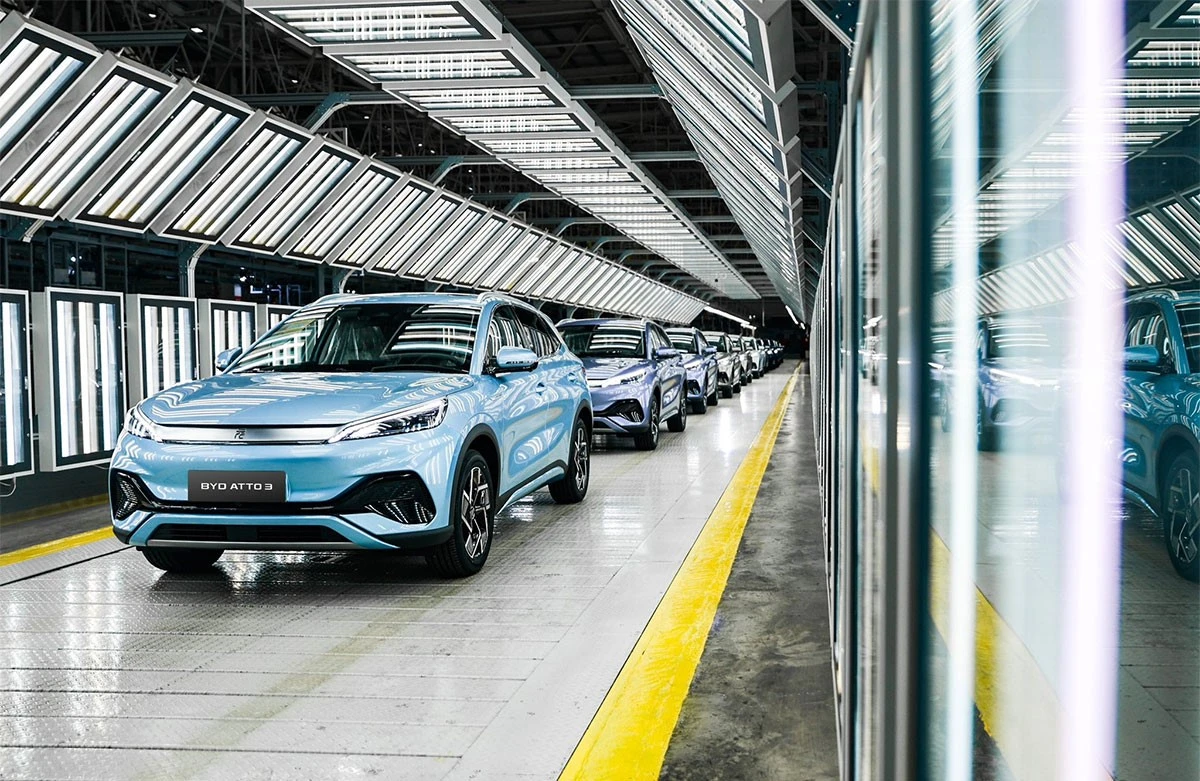
New energy exports: BYD's overseas sales increased for seven consecutive months in the first half of the year, with 2,082 new energy buses exported, a year-on-year increase of 45%, ranking first in the global new energy bus exports. In terms of passenger cars, Song PLUS became the export champion of Chinese brands with an export volume of 134,000 vehicles, a year-on-year surge of 184%.
Regional performance:
In the European market, BYD's market share has steadily increased through localized production and channel expansion; in Southeast Asia, the commissioning of the Thai factory has further consolidated its market position.
Market Segments: Leading In The New Energy Field
New energy vehicle sales: BYD's new energy vehicle sales in the first half of the year reached 2.118 million units (including high-end brands), accounting for nearly 30% of China's new energy market. Among them, pure electric models accounted for about 45%, and plug-in hybrid models accounted for 55%.
Ranking of subdivided models:
New energy sedans: BYD occupies 8 seats in the top 20 of the list, with Seagull, Qin L DM-i, and Haibao 06 DM-i ranking second, fourth, and seventh respectively.
New energy SUV: Model Y ranks first with 171,000 units, BYD Song Pro DM-i (100,000 units) and Yuan PLUS (78,000 units) rank second and fourth, accounting for nearly 20% of the new energy SUV market.
MPV market: Denza D9 won the championship with 56,000 units, accounting for more than 50% of the MPV new energy market.
Competitor Performance Comparison
Traditional car companies:
Toyota: Global sales of 10.274 million units in fiscal year 2025 (April 2024-March 2025), but data for the first half of the natural year (January-June) is not clear. Sales in the Chinese market were 837,700 units, up 6.8% year-on-year, but the global ranking is still leading.
Volkswagen: Global sales in the first half of the year were 4.4053 million units, up 1.3% year-on-year, of which pure electric vehicles increased by 46.7%, but sales in the Chinese market fell by 2.3%, and BYD widened the gap.
New energy rivals:
Tesla: Global deliveries in the first half of the year were 720,800 units, down 13.3% year-on-year, and sales in the Chinese market were 263,400 units, down 5.4% year-on-year. The new version of Model Y failed to reverse the decline.
New forces: Xpeng Motors sold 197,000 units in the first half of the year, up 279% year-on-year, but there is still a gap in magnitude with BYD.
Core Driving Factors And Industry Status
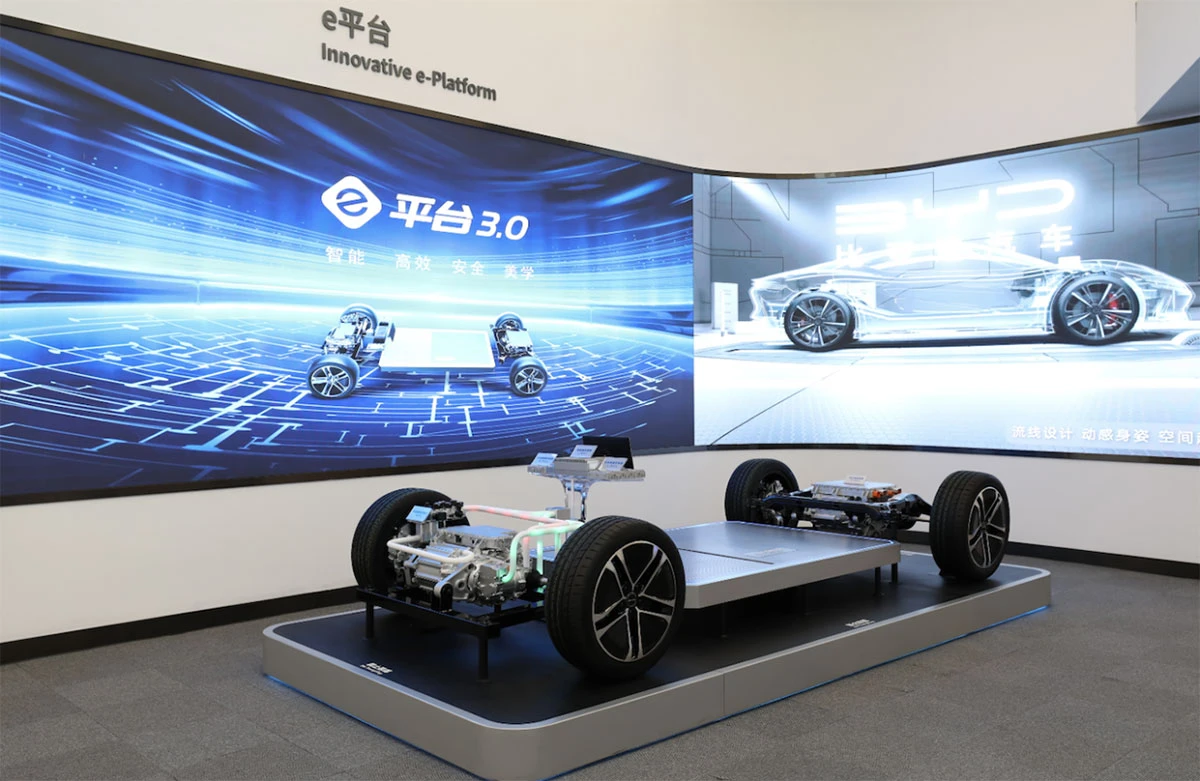
Technical advantages: Blade batteries, DM-i hybrid technology and full industrial chain layout support product competitiveness. For example, Seagull has become a benchmark in the entry-level market with a range of 401km and an acceleration performance of 7.9 seconds.
Product matrix: Covering the entire price range of 100,000 to 1 million yuan, the five major brands of Dynasty, Ocean, Denza, Formula Leopard, and Yangwang form differentiated competition to meet diverse needs.
Global layout: Overseas factory construction (such as Thailand and Hungary) and channel expansion (Europe and Latin America) drive export growth, and overseas sales accounted for about 20% in the first half of the year.
Data Description And Industry Trends
Data source: Chinese market data mainly comes from the China Automobile Association and the China Passenger Car Association; global rankings refer to forecasts and corporate financial reports of institutions such as Focus2Move and MarkLines.
Industry pattern: Chinese brands are accelerating their rise in the global market, and the gap between BYD and traditional giants such as Toyota and Volkswagen continues to narrow. New energy vehicles have become the core variable for rewriting the industry landscape.
In summary, BYD will be the absolute leader in the Chinese market in the first half of 2025, and will be ranked among the top ten global automakers in terms of sales, and is expected to further impact a higher ranking in the second half of the year. Its performance not only reflects the technological leap of China's automobile industry, but also marks that the global automobile industry pattern has entered a period of deep reconstruction.