

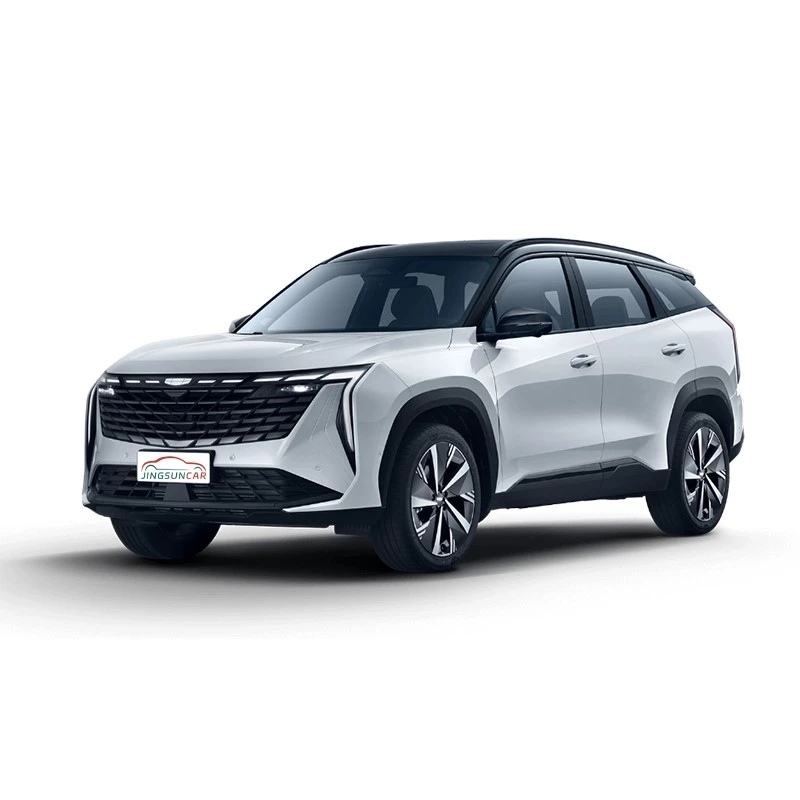
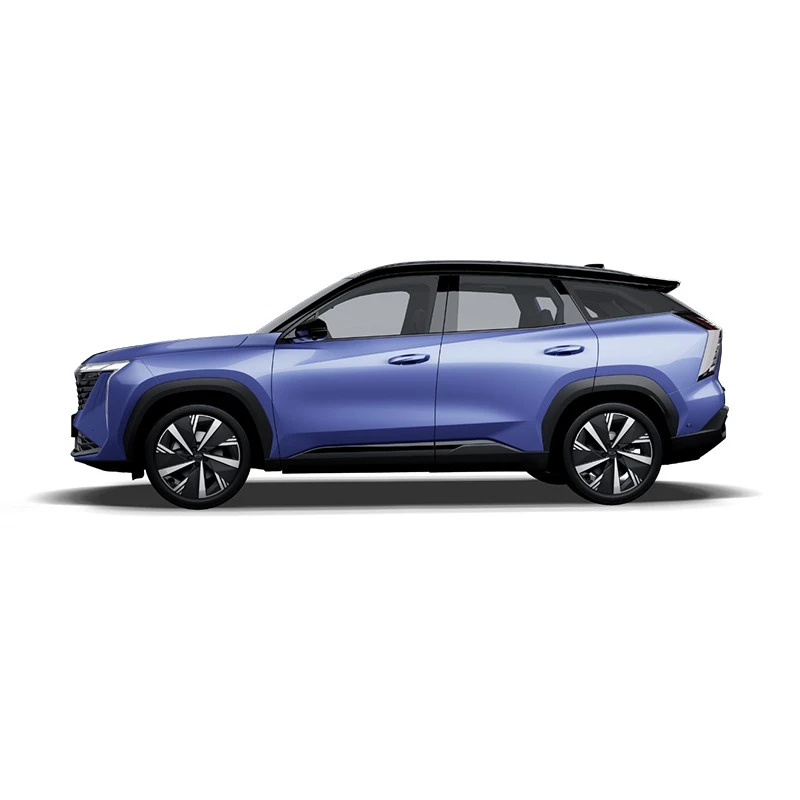
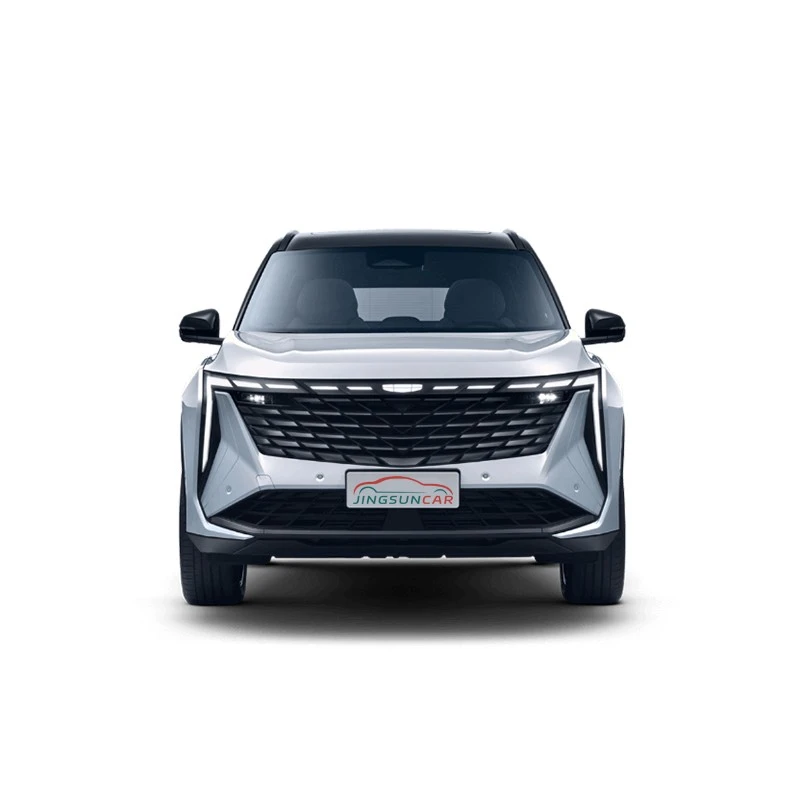
Geely Boyue L: The Fourth-Generation Compact SUV
The Boyue L is Geely's compact five-seat SUV, now in its fourth generation. The body measures 4,713 mm long, 1,910 mm wide and 1,700 mm tall, on a 2,785 mm wheelbase with a 1,618 mm track front and rear. Those figures put it at the upper end of the compact class: wide enough for three adults across the rear bench, and short enough to stay usable in dense traffic.
The 2027 model year line-up is petrol only, built around one seven-speed wet dual-clutch transmission and two turbocharged four-cylinder engines. Four of the five versions use the 1.5-litre unit; the top version moves to a 2.0-litre. For importers the appeal is straightforward: a mainstream SUV body, a single transmission family across the range, and a 54-litre fuel tank that removes any dependence on charging infrastructure in the destination market.
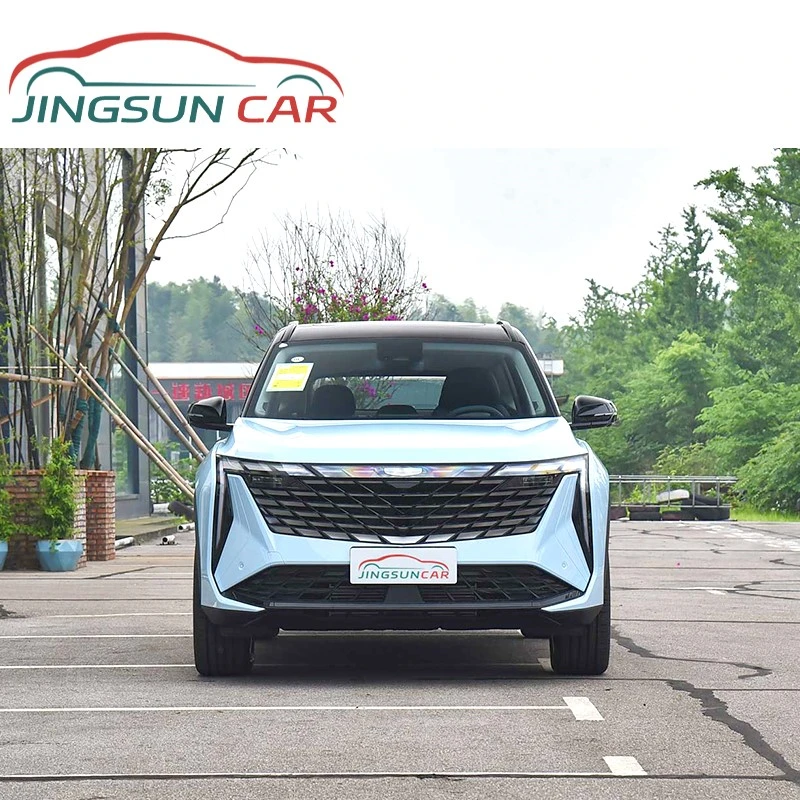
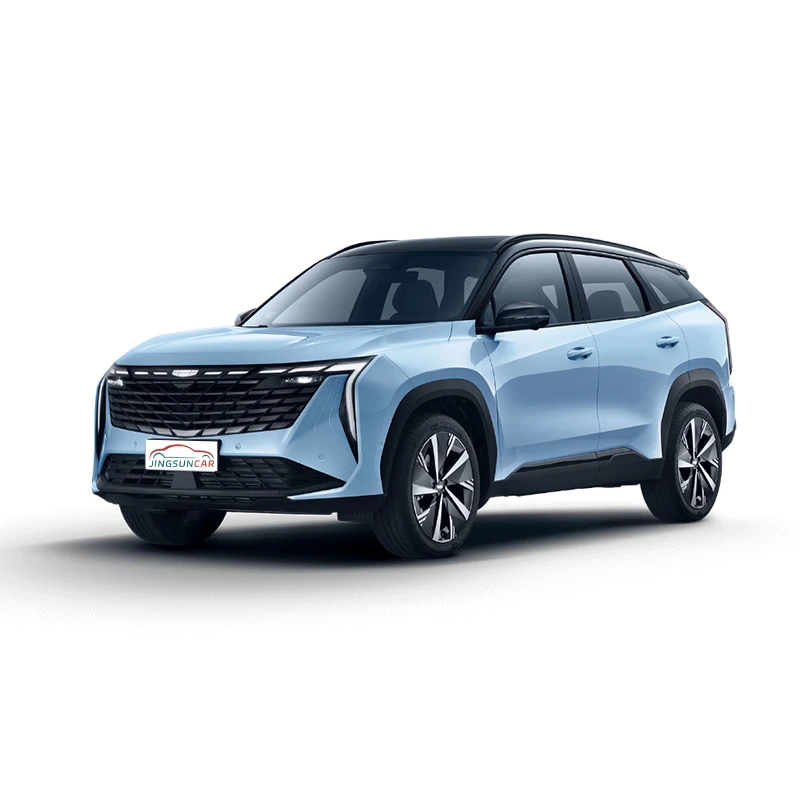
A Wide, Tall Package on a 2,785 mm Wheelbase
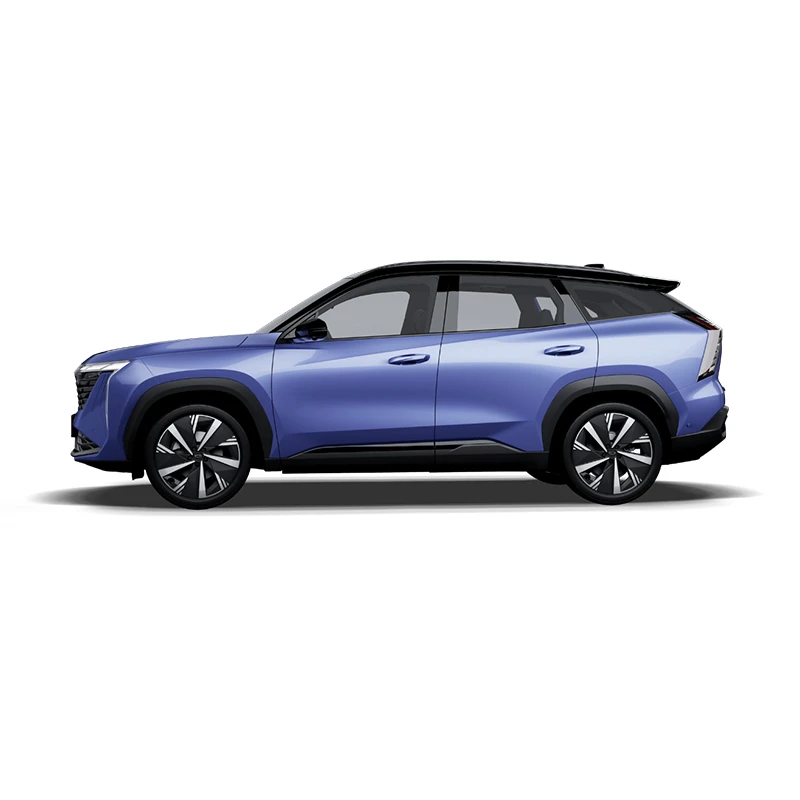
The 1,910 mm body width is the number worth noting, because it is what separates this car from the narrower compact SUVs it competes with directly. Combined with a 1,700 mm roof height and a 2,785 mm wheelbase, it gives a cabin that seats five without forcing the rear bench into a knees-up position. Approach and departure angles are 19 and 21 degrees, which is enough for kerbs, unpaved access roads and steep driveways without the bodywork grounding.
One Transmission, Two Engines
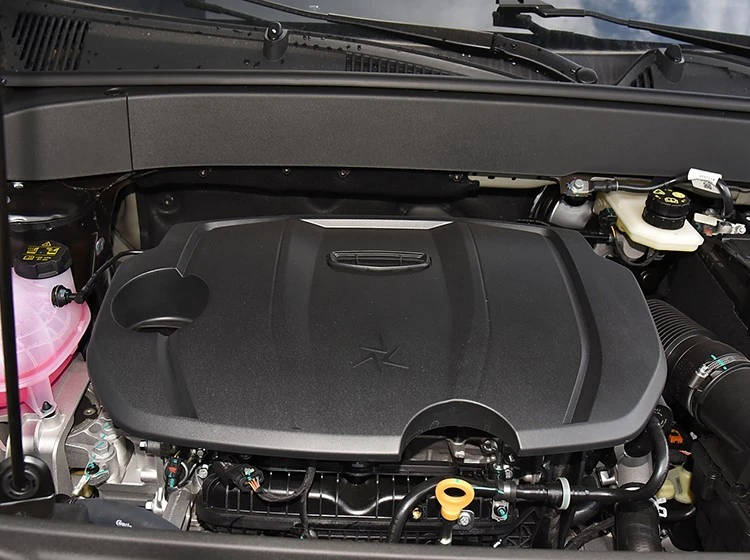
Every version uses the same seven-speed wet dual-clutch transmission. The 1.5-litre engine, coded BHE15-GFZ, produces 201 Ps and 315 N·m between 2,000 and 3,500 rpm, with a rated output of 148 kW and a net figure of 143 kW. The 2.0-litre unit, coded JLH-4G20TDJ, raises that to 218 Ps and 325 N·m from 1,800 to 4,500 rpm. Both run on 92-octane fuel and use direct injection with aluminium heads and blocks, which keeps the service requirements simple in markets where high-octane petrol is not universal.
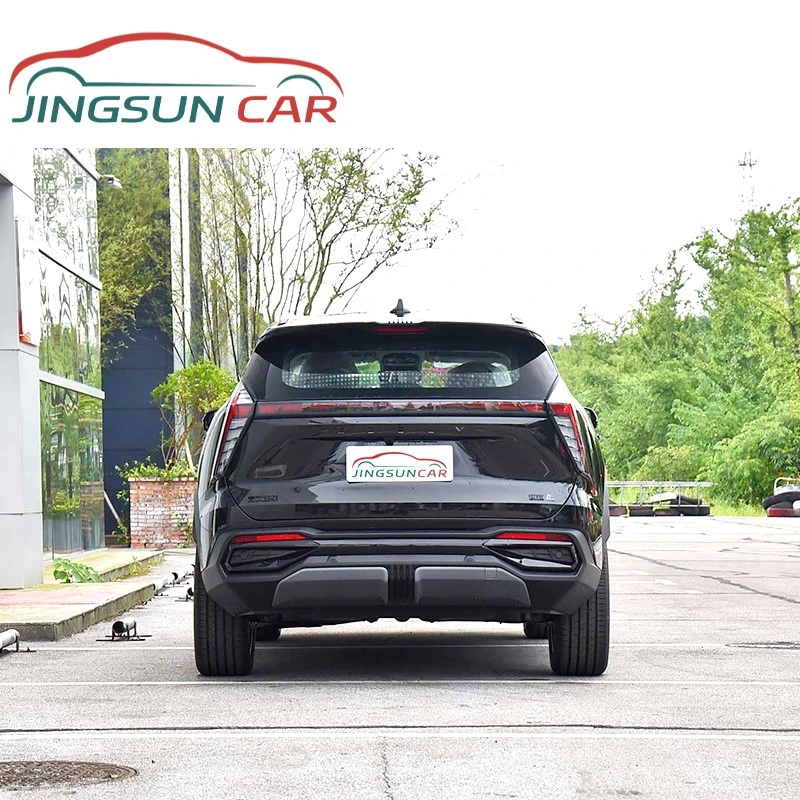
Design and Road Presence
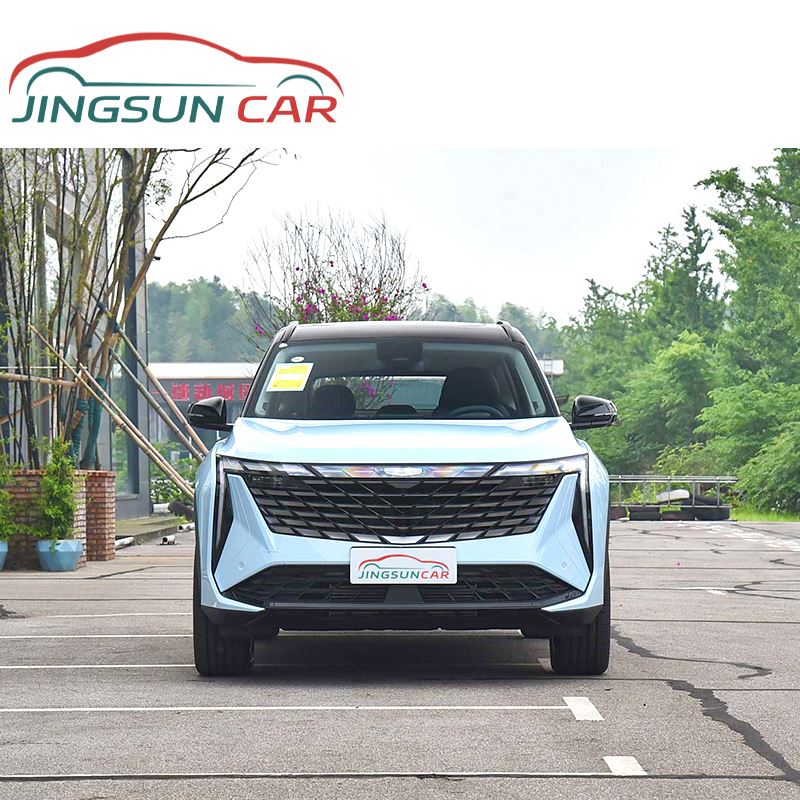
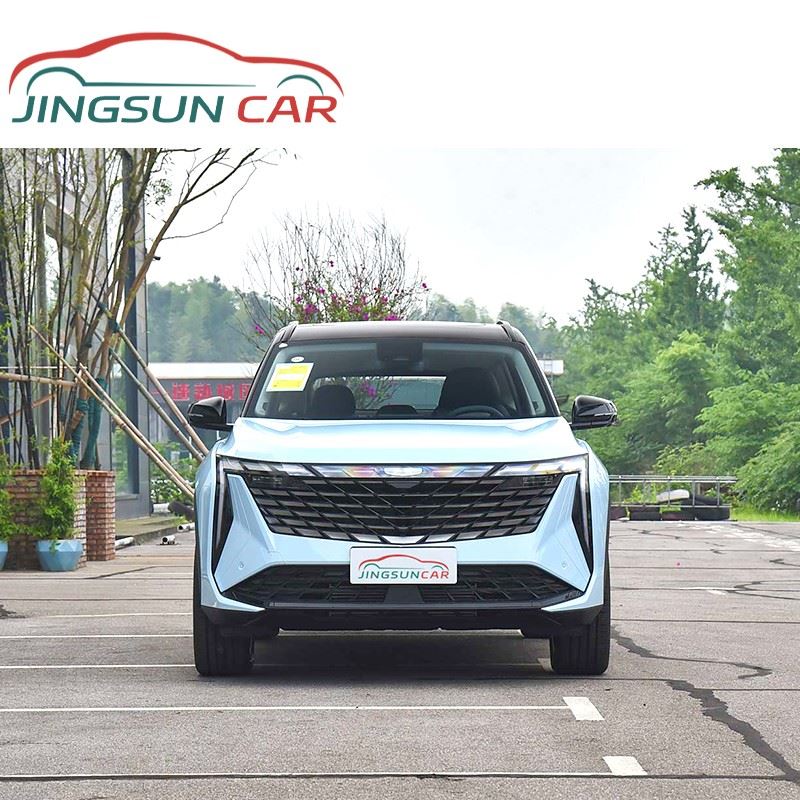
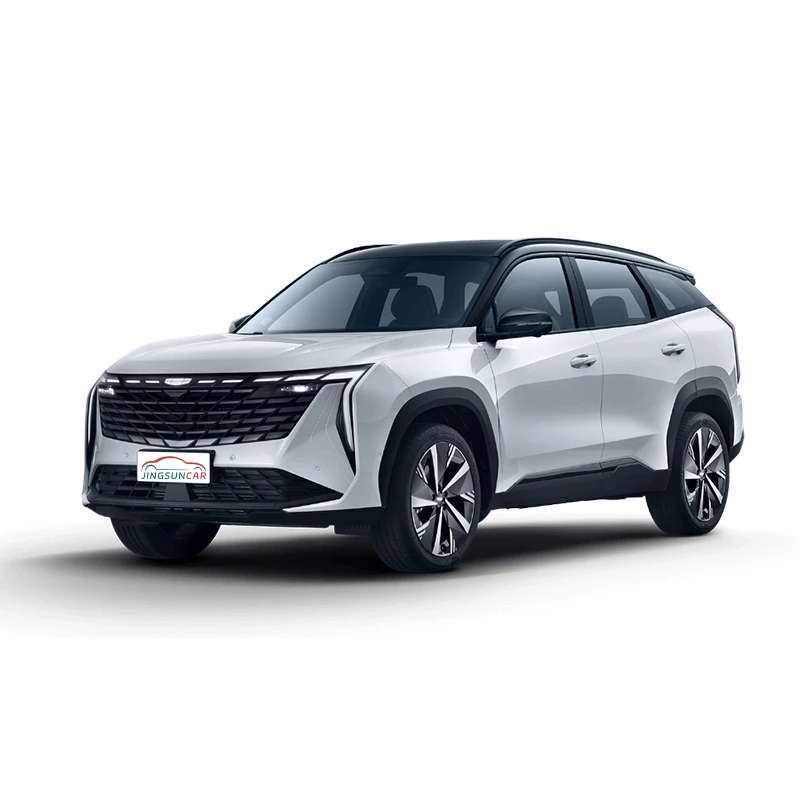
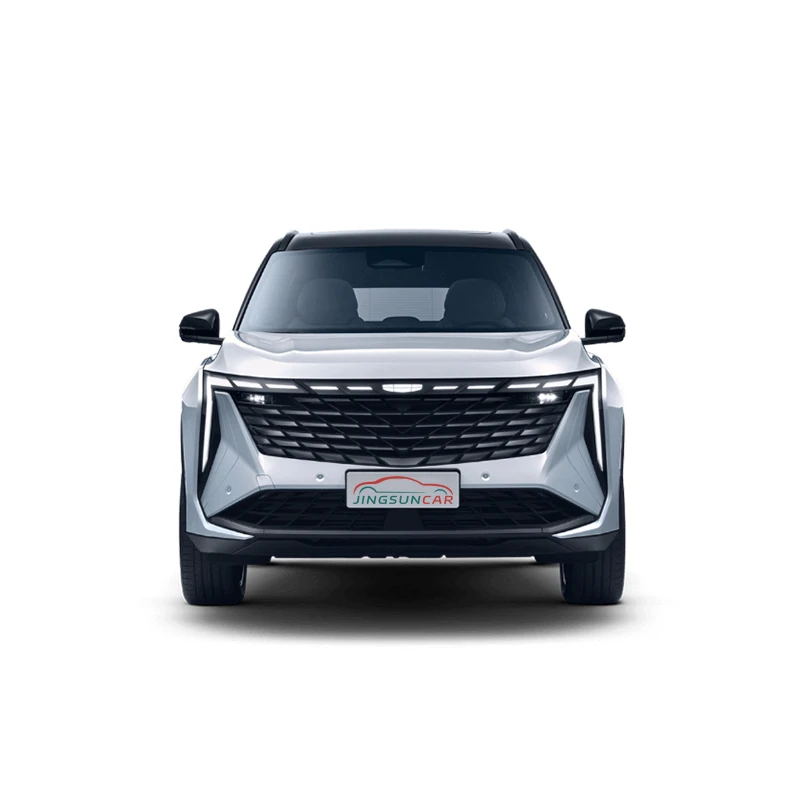
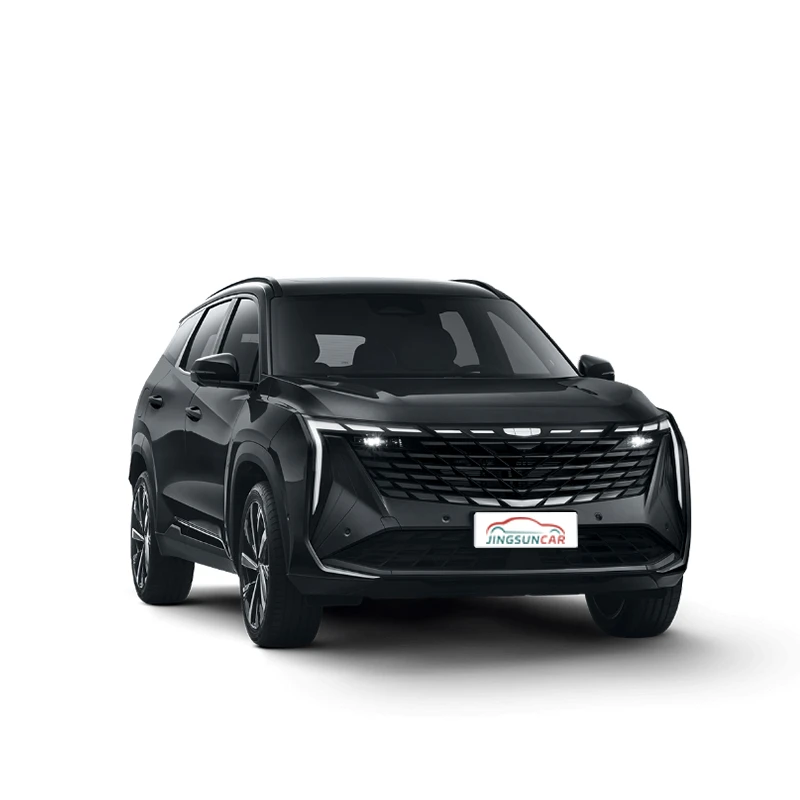
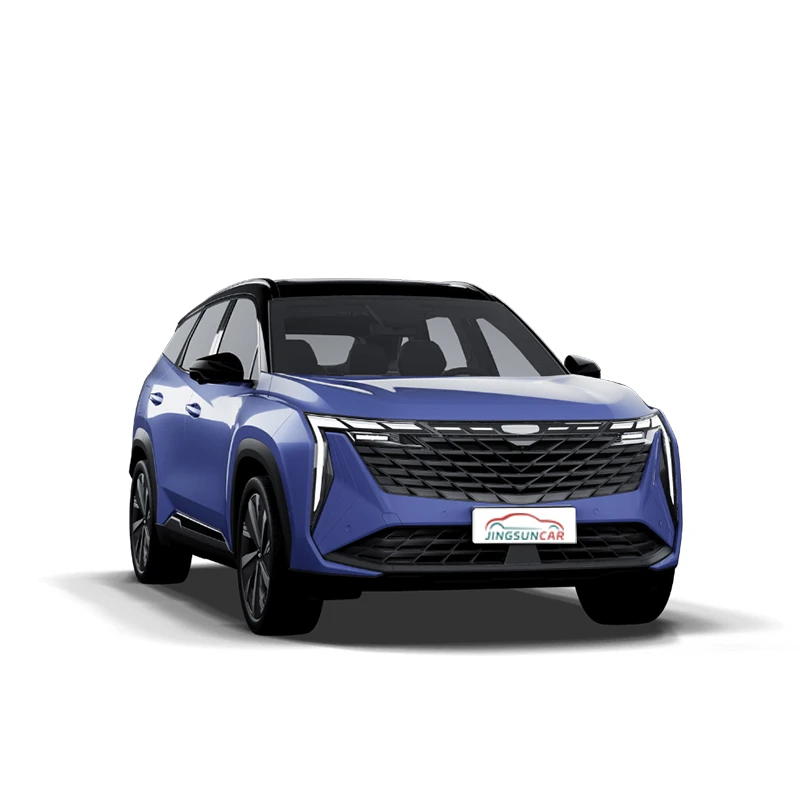
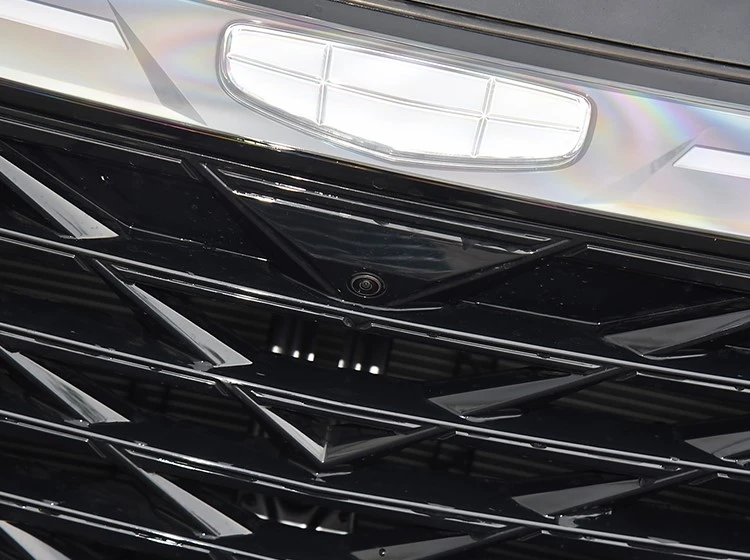
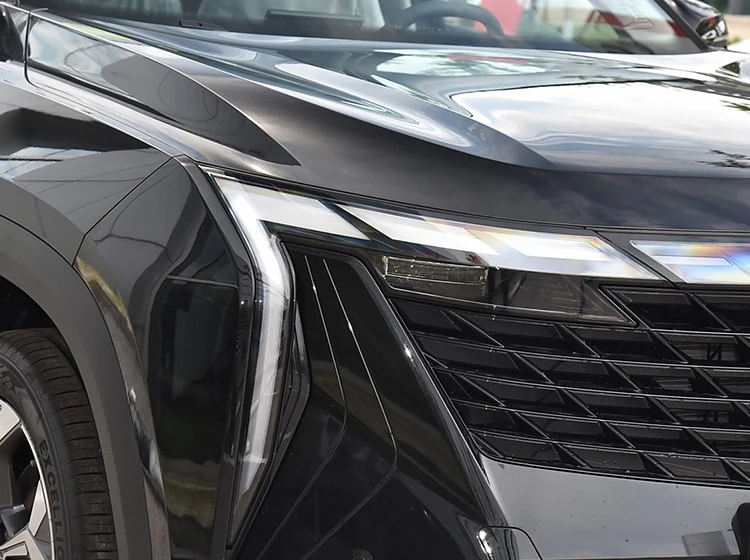
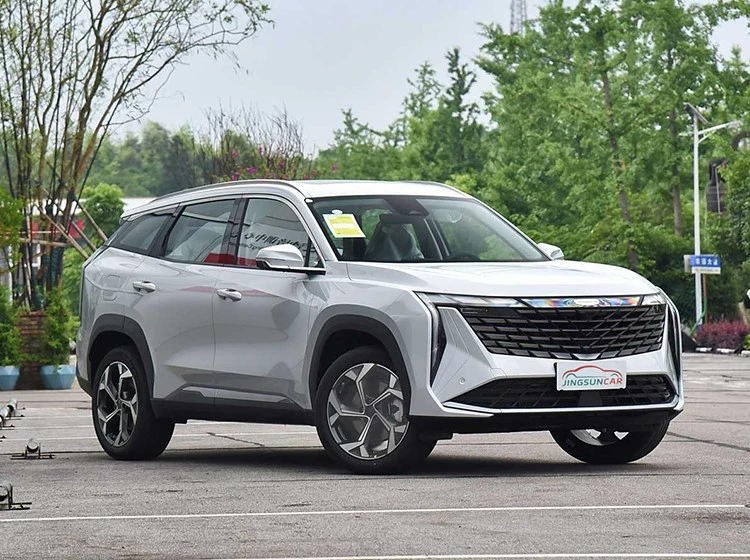
The front end is dominated by a large upright grille carried into the headlamp units on both sides, a treatment that makes the car read wider than its dimensions suggest. LED daytime running lights are fitted to every version, and the headlamps are height-adjustable from the cabin with a follow-me-home delay. Adaptive high and low beam is standard from the third version upward and optional on the second.
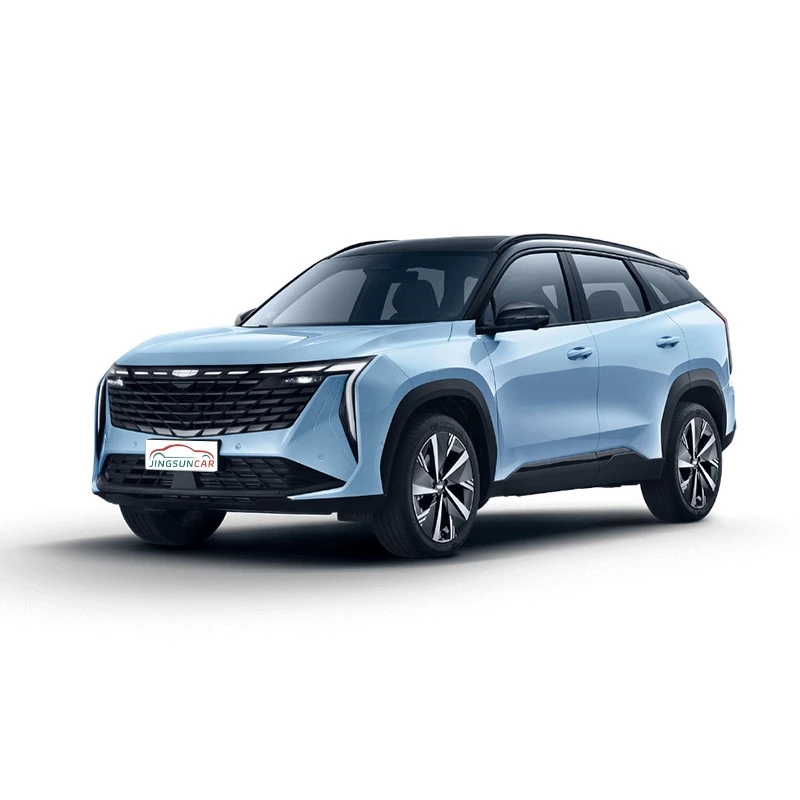
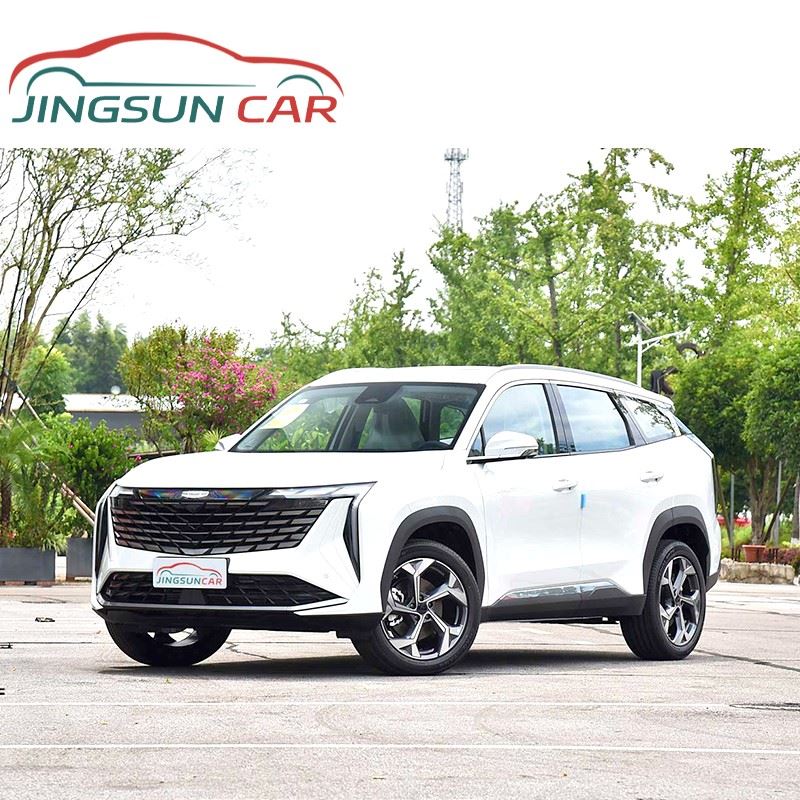
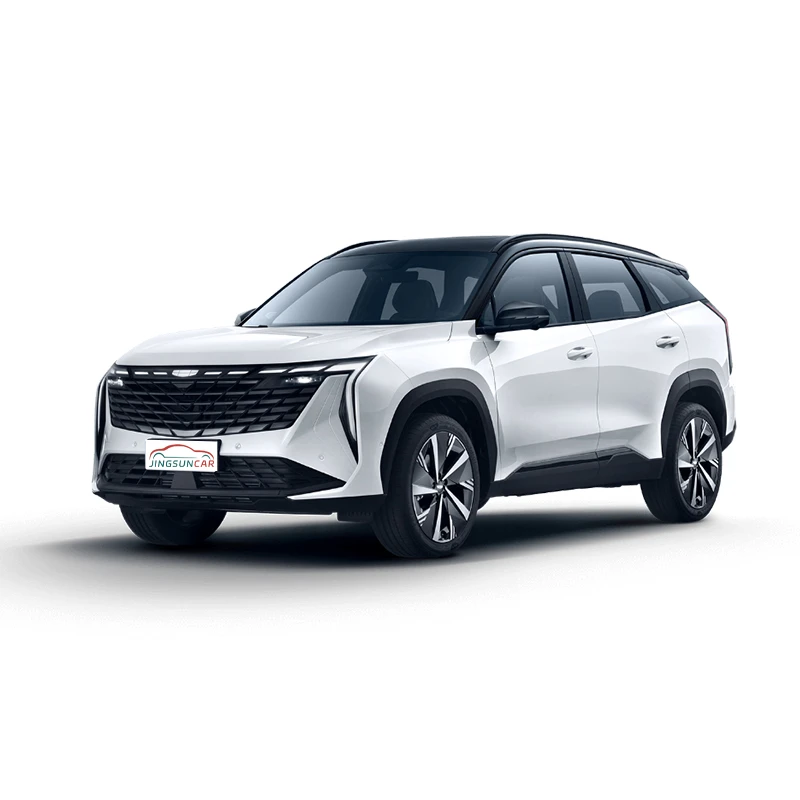
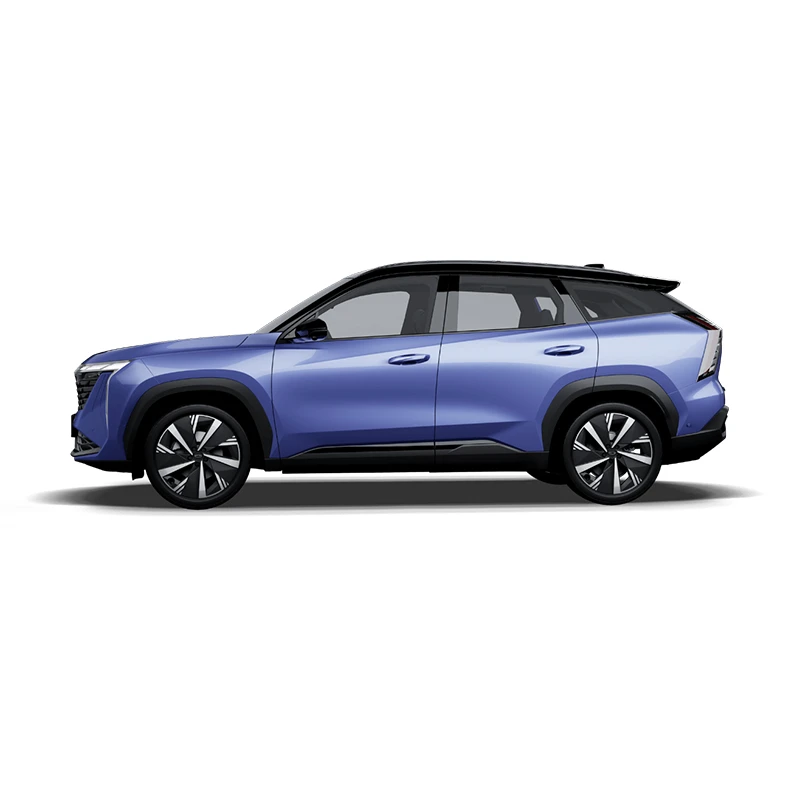
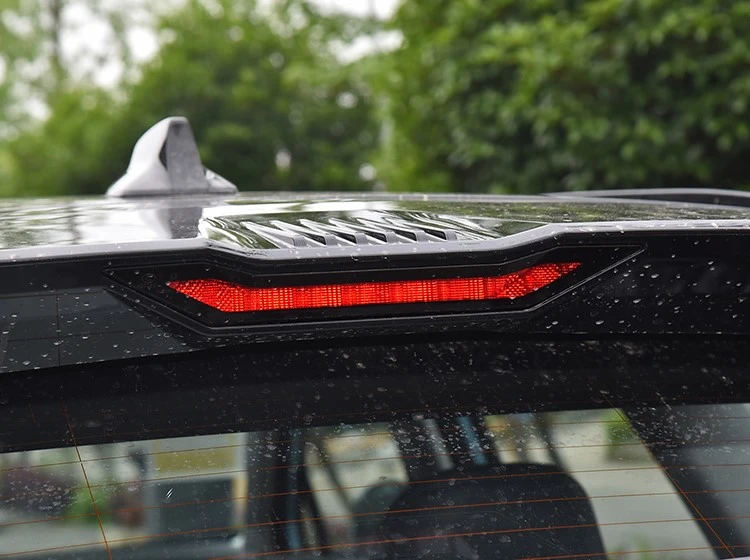
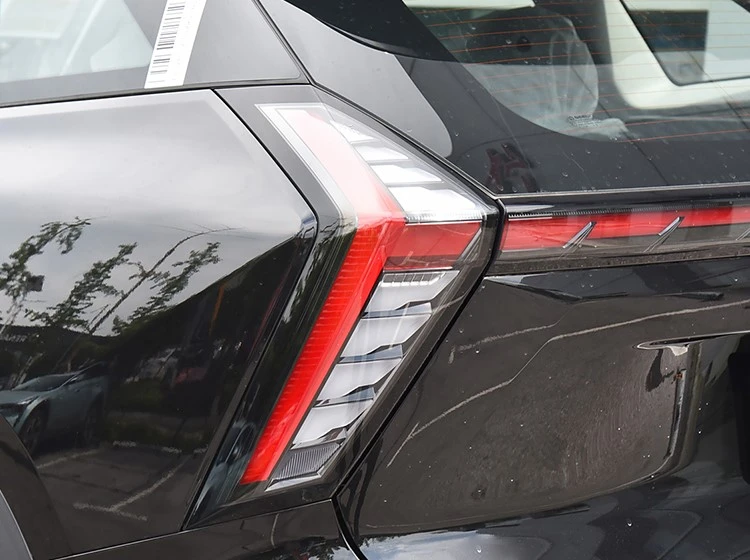
The side view is defined by a blacked-out roof and pillar treatment, a rising shoulder line and a compact glasshouse. A glass sunroof with an electric sunshade is standard across the range, and rear side privacy glass is fitted from the third version. At the back, the car uses a full-width lamp graphic under a roof spoiler that houses the high-mounted brake light, and a rear wiper is fitted to every version.
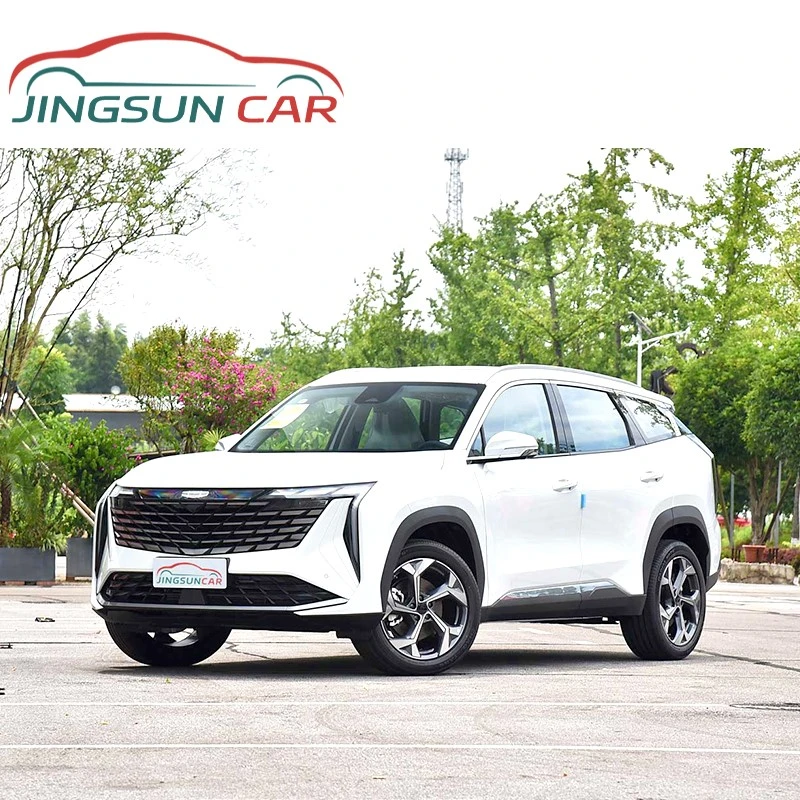
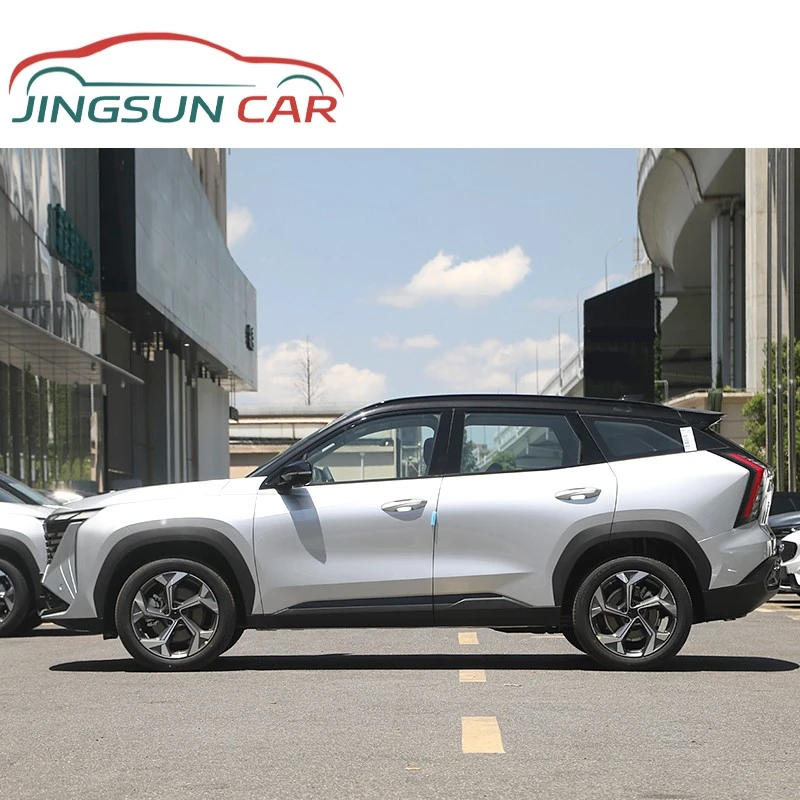
Front Face and Lighting Signature
The grille and lamp graphics are deliberately integrated rather than separated, so the front reads as one horizontal band from low angle to high angle. Automatic headlights with height adjustment are fitted to all five versions, and the adaptive high and low beam function on the upper three trims changes the beam pattern with speed and oncoming traffic instead of relying on the driver to dip manually. That matters on unlit intercity roads, which is where most of this class of car is actually driven in export markets.
Roof, Glass and Rear Treatment
A glass sunroof with an electric sunshade is standard on every version, and the sunshade can be closed independently of the glass, which is the practical detail for hot-climate markets where an open glass roof becomes a heat load by mid-morning. Roof rails are fitted across the range, so a roof box or a light bar can be added without drilling. Rear side privacy glass appears from the third version, and the rear wiper is standard throughout.
Powertrain, Weight and Fuel Consumption
The 1.5-litre versions are quoted at 6.69 litres per 100 km on the WLTC cycle; the 2.0-litre version is quoted at 7.69. With a 54-litre tank, that is a working range well beyond 700 km between refuelling stops on the smaller engine, which is the figure that matters more than the cycle result in markets where filling stations are spaced out. Top speed is 200 km/h for the 1.5-litre cars and 215 km/h for the 2.0-litre.
Kerb weight runs from 1,571 kg on the two lower 1.5-litre versions to 1,600 kg on the two upper 1.5-litre versions and 1,645 kg on the 2.0-litre. Gross vehicle mass is 2,000 kg for the 1.5-litre cars and 2,075 kg for the 2.0-litre, which leaves a payload margin of roughly 400 to 430 kg once kerb weight is deducted - enough for five adults plus luggage, and worth quoting to fleet buyers who load vehicles heavily.
Seven-Speed Wet Dual-Clutch
The gearbox is a wet-clutch seven-speed dual-clutch unit, not a dry-clutch design. Wet clutches run in an oil bath, which gives them a thermal advantage in stop-start traffic and in ambient temperatures above 40 degrees, where dry-clutch units are known to fade or protect themselves. One transmission family across both engines also means a distributor carries a single service and parts pathway rather than two.
Fuel System and Daily Refuelling
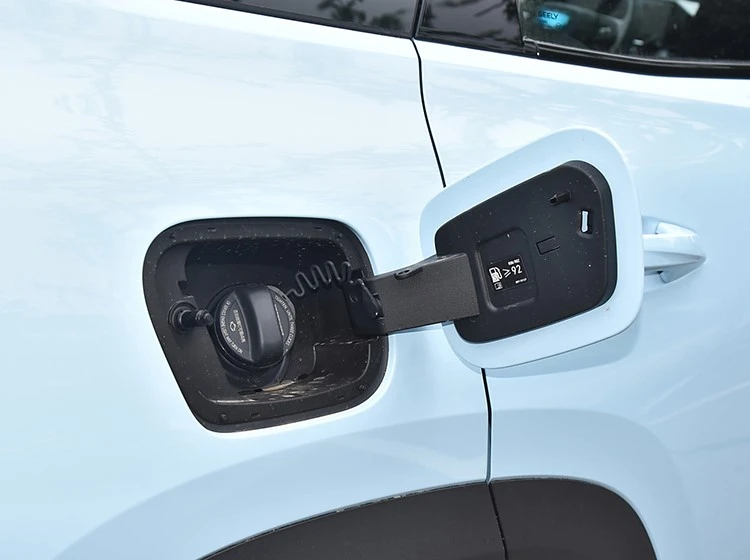
The 54-litre tank fills through a capless neck, so there is no separate filler cap to lose or to leave loose after refuelling - a small detail that matters on rental and fleet cars. Both engines are rated for 92-octane fuel, which means the vehicle is not restricted to premium-grade petrol. Combined with direct injection and aluminium construction, the service schedule stays conventional: oil, filters and belts, with no high-voltage system to train technicians on.
Equipment, Driver Assistance and Safety
Passive safety is consistent across the range where it matters most: driver and passenger airbags, front side airbags, anti-lock braking, brake force distribution, brake assist, traction control, electronic stability control, ISOFIX anchorages and an anti-rollover system are fitted to all five versions. Curtain airbags are fitted from the second version upward and are the one passive item that differs across the line-up.
The active safety content steps up with trim. The base version carries the electronic chassis systems but not the camera-based functions. The second version offers lane departure warning, autonomous emergency braking, door-opening warning and forward collision warning as options. The third, fourth and fifth versions fit them as standard, along with a built-in dash cam, a 540-degree transparent chassis view, rear cross-traffic alert, lane change assist, lane keeping assist, lane centring and traffic sign recognition.
The top 1.5-litre version, Splendid, goes further with the full assisted-driving set: assisted parking, remote parking, memory parking, assisted lane change, assisted on and off-ramp driving and traffic light recognition, plus a driver fatigue reminder, an AR head-up display, an in-car air purifier, a negative ion generator and a fragrance system. A heated steering wheel is fitted to that version and to the 2.0-litre car. For an importer assembling a range, that makes the trim ladder easy to explain: one safety baseline, one driver-assistance step, one technology flagship.
Access, Keys and Cabin Technology
Keyless start is standard on every version, and the car accepts a card-style key as well as a conventional fob. Connectivity content is uniform across the range: Bluetooth telephony, always-on voice wake-up, continuous voice recognition, visible-and-speakable control, an app store, car networking, over-the-air updates and a Wi-Fi hotspot. A full LCD instrument panel and a multifunction steering wheel are also fitted to all five versions, so the entry car does not look like a stripped fleet special from the driver's seat.
Comfort Items That Define the Trim Ladder
Power adjustment for both front seats is fitted from the second version, as is the electric tailgate with position memory. From the third version the rear bench gains a centre armrest with cupholders and the climate system becomes a multi-zone unit. Rear air vents and a PM2.5 cabin filter are standard on all five. The differences that remain are concentrated in the top 1.5-litre car, which is where the head-up display, the fragrance system and the air purifier sit.
Why Importers Shortlist the Boyue L
Five points that come up in almost every enquiry about this class of car.
Petrol only, no charging dependency
No high-voltage system, no charger installation and no battery degradation story to explain. The vehicle runs on the fuel network the destination market already has.
1,910 mm wide body
Wider than most of the compact SUV class, which shows up directly in rear-seat shoulder room and in how stable the car feels at highway speed.
54-litre tank, 92-octane fuel
Long intervals between refuelling and no premium-fuel requirement. Both matter in markets where fuel quality varies and stations are widely spaced.
One gearbox across the range
Every version uses the same seven-speed wet dual-clutch unit, so a distributor stocks one service kit and trains technicians once.
Safety baseline across all trims
Stability control, traction control, brake assist, ISOFIX and front and side airbags are fitted to the entry car, not held back as options.
Ordering Notes for Importers
Three practical points before an order is confirmed. First, the trim ladder carries real functional differences rather than cosmetic ones, so specify by version name rather than by engine alone: the base car does not have the camera-based assistance functions or the curtain airbags. Second, confirm the emission standard required in the destination market, because the versions listed here are built to China VI. Third, confirm the drive-hand and any market-specific equipment required for registration, since homologation packages differ by country and must be agreed at the contract stage rather than assumed.
Vehicle specifications, colours and equipment availability change by production batch. Please confirm the exact configuration, model year and delivery schedule with our sales team before issuing a purchase order, and treat the parameter table on this page as a reference for the versions currently listed rather than a binding offer.
Product Details
For current availability of the Boyue L, mixed-container options and documentation for your market, send your requirement through the enquiry form on this page. Please include destination port, quantity, preferred version and required model year so that we can respond with an accurate offer.
| ● Standard configuration ○ Optional -- None |
Geely Boyue L 2027 1.5TD Pro Voyage | Geely Boyue L 2027 1.5TD Pro Journey | Geely Boyue L 2027 1.5TD Pro Landscape | Geely Boyue L 2027 1.5TD Pro Splendid | Geely Boyue L 2027 2.0TD Passion |
| Basic Parameters | |||||
| Manufacturer | Geely Automobile | Geely Automobile | Geely Automobile | Geely Automobile | Geely Automobile |
| Level | Compact SUV | Compact SUV | Compact SUV | Compact SUV | Compact SUV |
| Energy type | Gasoline | Gasoline | Gasoline | Gasoline | Gasoline |
| Environmental protection standards | National VI | National VI | National VI | National VI | National VI |
| Time to market | 2026-09-24 | 2026-09-24 | 2026-09-24 | 2026-09-24 | 2026-09-24 |
| Maximum power(kW) | 148 | 148 | 148 | 148 | 160 |
| Maximum torque(N·m) | 315 | 315 | 315 | 315 | 325 |
| Gearbox | 7-speed wet dual-clutch (DCT) | 7-speed wet dual-clutch (DCT) | 7-speed wet dual-clutch (DCT) | 7-speed wet dual-clutch (DCT) | 7-speed wet dual-clutch (DCT) |
| Body structure | 5-door 5-seater SUV | 5-door 5-seater SUV | 5-door 5-seater SUV | 5-door 5-seater SUV | 5-door 5-seater SUV |
| Engine | 1.5T 201 horsepower L4 | 1.5T 201 horsepower L4 | 1.5T 201 horsepower L4 | 1.5T 201 horsepower L4 | 2.0T 218 horsepower L4 |
| Length*Width*Height (mm) | 4713*1910*1700 | 4713*1910*1700 | 4713*1910*1700 | 4713*1910*1700 | 4713*1910*1700 |
| Maximum speed (km/h) | 200 | 200 | 200 | 200 | 215 |
| WLTC comprehensive fuel consumption (L/100km) | 6.69 | 6.69 | 6.69 | 6.69 | 7.69 |
| Curb weight (kg) | 1571 | 1571 | 1600 | 1600 | 1645 |
| Maximum full load mass (kg) | 2000 | 2000 | 2000 | 2000 | 2075 |
| Car Body | |||||
| Length (mm) | 4713 | 4713 | 4713 | 4713 | 4713 |
| Width (mm) | 1910 | 1910 | 1910 | 1910 | 1910 |
| Height (mm) | 1700 | 1700 | 1700 | 1700 | 1700 |
| Wheelbase(mm) | 2785 | 2785 | 2785 | 2785 | 2785 |
| Front wheelbase (mm) | 1618 | 1618 | 1618 | 1618 | 1618 |
| Rear wheelbase (mm) | 1618 | 1618 | 1618 | 1618 | 1618 |
| Approach angle (°) | 19 | 19 | 19 | 19 | 19 |
| Departure angle (°) | 21 | 21 | 21 | 21 | 21 |
| Car door opening method | Swing door | Swing door | Swing door | Swing door | Swing door |
| Fuel tank volume (L) | 54 | 54 | 54 | 54 | 54 |
| Engine | |||||
| Engine model | BHE15-GFZ | BHE15-GFZ | BHE15-GFZ | BHE15-GFZ | JLH-4G20TDJ |
| Displacement (mL) | 1499 | 1499 | 1499 | 1499 | 1969 |
| Intake form | Turbocharged | Turbocharged | Turbocharged | Turbocharged | Turbocharged |
| Engine layout | Horizontal | Horizontal | Horizontal | Horizontal | Horizontal |
| Cylinder arrangement | L | L | L | L | L |
| Number of cylinders | 4 | 4 | 4 | 4 | 4 |
| Valves per cylinder | 4 | 4 | 4 | 4 | 4 |
| Air Supply | DOHC | DOHC | DOHC | DOHC | DOHC |
| Maximum horsepower (Ps) | 201 | 201 | 201 | 201 | 218 |
| Maximum power speed (rpm) | 5500 | 5500 | 5500 | 5500 | 5000 |
| Maximum torque speed (rpm) | 2000-3500 | 2000-3500 | 2000-3500 | 2000-3500 | 1800-4500 |
| Maximum net power (kW) | 143 | 143 | 143 | 143 | 160 |
| Fuel grade | 92# | 92# | 92# | 92# | 92# |
| Fuel supply method | Direct injection | Direct injection | Direct injection | Direct injection | Direct injection |
| Cylinder head material | Aluminum alloy | Aluminum alloy | Aluminum alloy | Aluminum alloy | Aluminum alloy |
| Cylinder block material | Aluminum alloy | Aluminum alloy | Aluminum alloy | Aluminum alloy | Aluminum alloy |
| Chassis & Transmission | |||||
| Number of gears | 7 | 7 | 7 | 7 | 7 |
| Transmission type | Wet dual-clutch transmission (DCT) | Wet dual-clutch transmission (DCT) | Wet dual-clutch transmission (DCT) | Wet dual-clutch transmission (DCT) | Wet dual-clutch transmission (DCT) |
| Body structure (chassis) | Unibody | Unibody | Unibody | Unibody | Unibody |
| Safety Equipment | |||||
| Main/passenger seat airbag | Main●/deputy● | Main●/deputy● | Main●/deputy● | Main●/deputy● | Main●/deputy● |
| Front/rear side airbags | Front●/rear- | Front●/rear- | Front●/rear- | Front●/rear- | Front●/rear- |
| Front/rear head airbags (curtain airbags) | -- | Front●/rear● | Front●/rear● | Front●/rear● | Front●/rear● |
| ABS anti-lock | ● | ● | ● | ● | ● |
| Braking force distribution (EBD/CBC etc.) | ● | ● | ● | ● | ● |
| Brake assist (EBA/BAS/BA etc.) | ● | ● | ● | ● | ● |
| Traction control (ASR/TCS/TRC etc.) | ● | ● | ● | ● | ● |
| Electronic stability control (ESC/ESP/DSC etc.) | ● | ● | ● | ● | ● |
| ISOFIX child seat anchor | ● | ● | ● | ● | ● |
| Lane Departure Warning System | -- | ○ | ● | ● | ● |
| Active braking/active safety system | -- | ○ | ● | ● | ● |
| Driver fatigue reminder | -- | -- | -- | ● | -- |
| DOW door opening warning | -- | ○ | ● | ● | ● |
| Forward collision warning | -- | ○ | ● | ● | ● |
| Built-in dash cam | -- | ● | ● | ● | ● |
| Roadside assistance call | -- | -- | ● | ● | ● |
| Anti-rollover system | ● | ● | ● | ● | ● |
| Driving Assistance | |||||
| Automatic parking | ● | ● | ● | ● | ● |
| Hill start assist | ● | ● | ● | ● | ● |
| Hill descent control | ● | ● | ● | ● | ● |
| Front/rear parking radar | Front-/rear● | Front○/rear● | Front●/rear● | Front●/rear● | Front●/rear● |
| Transparent chassis / 540-degree image | -- | ● | ● | ● | ● |
| Rear cross-traffic alert | -- | ○ | ● | ● | ● |
| Satellite navigation system | ● | ● | ● | ● | ● |
| Navigation traffic information display | ● | ● | ● | ● | ● |
| Lane change assist | -- | ○ | ● | ● | ● |
| Lane keeping assist system | -- | ○ | ● | ● | ● |
| Lane centering control | -- | ○ | ● | ● | ● |
| Road traffic sign recognition | -- | ○ | ● | ● | ● |
| Assisted parking | -- | -- | -- | ● | -- |
| Remote parking | -- | -- | -- | ● | -- |
| Memory parking | -- | -- | -- | ● | -- |
| Assisted lane change | -- | -- | -- | ● | -- |
| Assisted on/off-ramp driving | -- | -- | -- | ● | -- |
| Traffic light recognition | -- | -- | -- | ● | -- |
| Exterior & Lighting | |||||
| Electric trunk | -- | ● | ● | ● | ● |
| Electric tailgate position memory | -- | ● | ● | ● | ● |
| Roof rack | ● | ● | ● | ● | ● |
| Engine electronic anti-theft | ● | ● | ● | ● | ● |
| In-car central lock | ● | ● | ● | ● | ● |
| Keyless start system | ● | ● | ● | ● | ● |
| LED daytime running lights | ● | ● | ● | ● | ● |
| Adaptive high and low beam | -- | ○ | ● | ● | ● |
| Automatic headlight | ● | ● | ● | ● | ● |
| Headlight height adjustable | ● | ● | ● | ● | ● |
| Delayed turn off of headlights | ● | ● | ● | ● | ● |
| Glass & Mirrors | |||||
| Electric sunroof sunshade | ● | ● | ● | ● | ● |
| Front/rear electric windows | Front●/rear● | Front●/rear● | Front●/rear● | Front●/rear● | Front●/rear● |
| Window anti-pinch function | ● | ● | ● | ● | ● |
| Rear side privacy glass | -- | -- | ● | ● | ● |
| Rear wiper | ● | ● | ● | ● | ● |
| Intelligent Connectivity | |||||
| Bluetooth/car phone | ● | ● | ● | ● | ● |
| Voice wake-up free word | ● | ● | ● | ● | ● |
| Voice continuous recognition | ● | ● | ● | ● | ● |
| Visible and speakable | ● | ● | ● | ● | ● |
| App store | ● | ● | ● | ● | ● |
| Car networking | ● | ● | ● | ● | ● |
| OTA upgrade | ● | ● | ● | ● | ● |
| Wi-Fi hotspot | ● | ● | ● | ● | ● |
| Interior & Comfort | |||||
| Multifunction steering wheel | ● | ● | ● | ● | ● |
| Steering wheel heating | -- | -- | -- | ● | ● |
| Full LCD instrument panel | ● | ● | ● | ● | ● |
| AR-HUD augmented reality head-up display | -- | -- | -- | ● | -- |
| Main/passenger seat power adjustment | -- | Main●/deputy● | Main●/deputy● | Main●/deputy● | Main●/deputy● |
| Front/rear center armrest | Front●/rear- | Front●/rear- | Front●/rear● | Front●/rear● | Front●/rear● |
| Rear cup holder | -- | -- | ● | ● | ● |
| Rear air vents | ● | ● | ● | ● | ● |
| Temperature zone control | -- | -- | ● | ● | ● |
| In-car air purifier | -- | -- | -- | ● | -- |
| PM2.5 filter | ● | ● | ● | ● | ● |
| Negative ion generator | -- | -- | -- | ● | -- |
| In-car fragrance system | -- | -- | -- | ● | -- |