

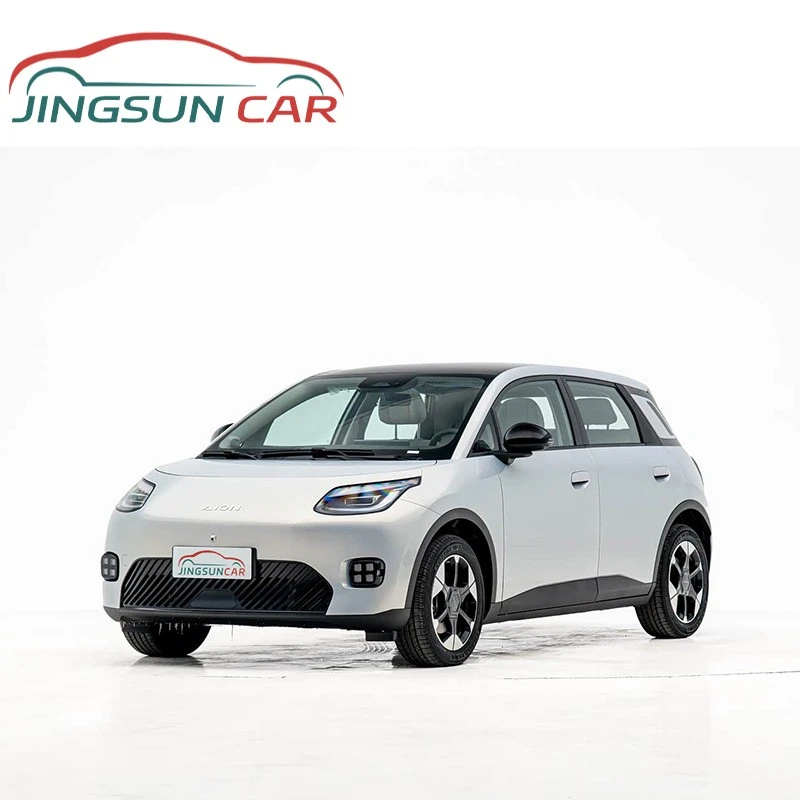
AION UT: GAC's Compact Electric Hatchback for Global Buyers
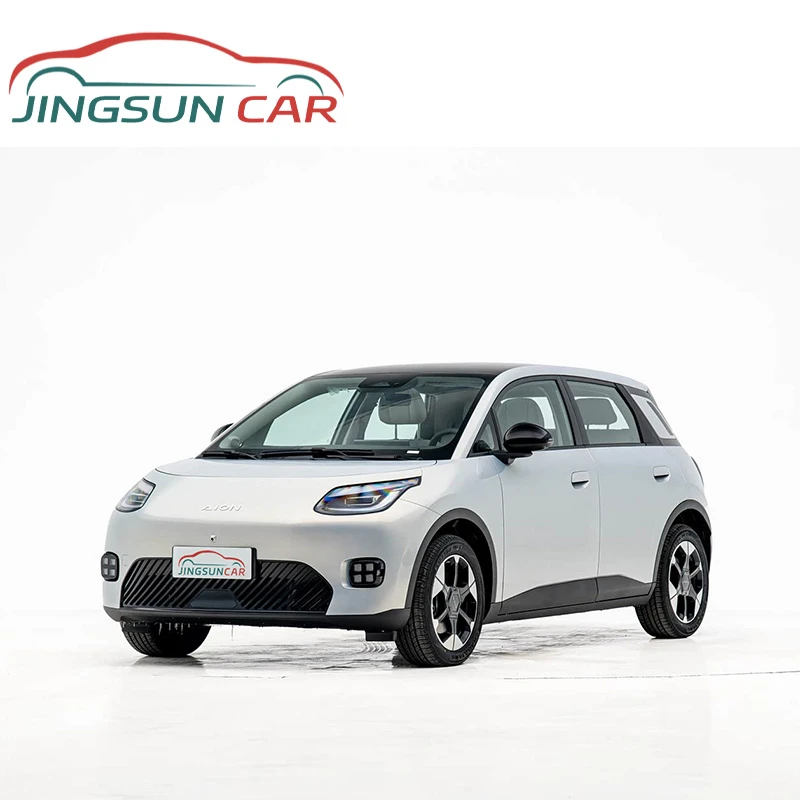
The AION UT is the smallest model in GAC Aion's passenger car range, built as a five-door, five-seat battery electric hatchback. It measures 4,270 mm from bumper to bumper, yet carries a 2,750 mm wheelbase and an 1,850 mm body width, a combination that puts cabin space ahead of exterior footprint. Three battery options are offered, giving a CLTC range of 320 km, 420 km or 530 km from a single 100 kW front-mounted motor.
The car is aimed at city commuters, ride-hailing and car-sharing fleets, and first-time electric buyers who want a compact vehicle without the usual space penalty of the segment. For importers, the practical point is simpler: one platform, one drivetrain, three battery sizes, so a single product line can cover several market segments and duty structures in the same market.
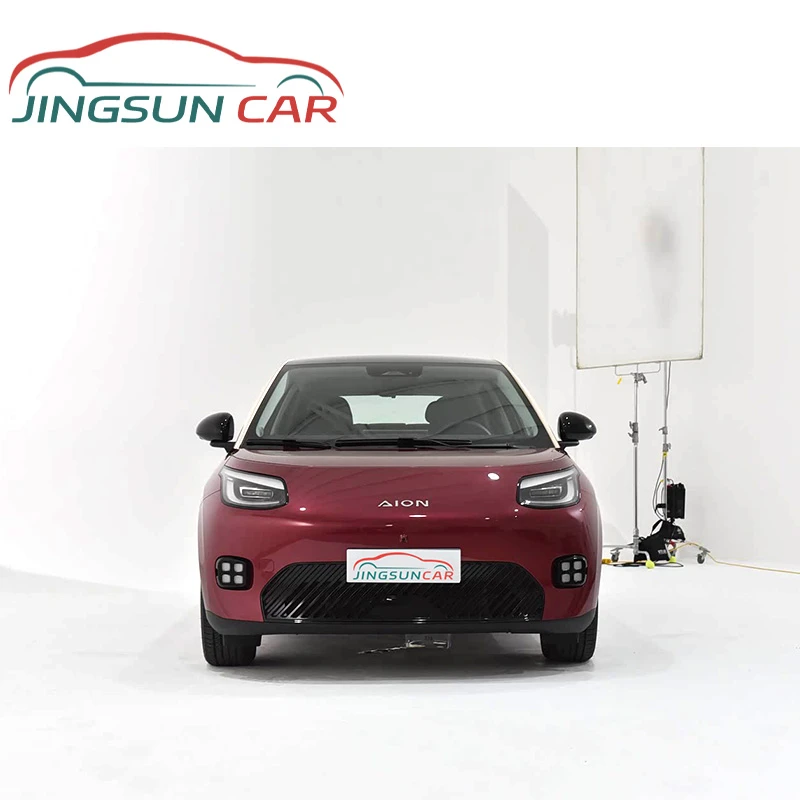
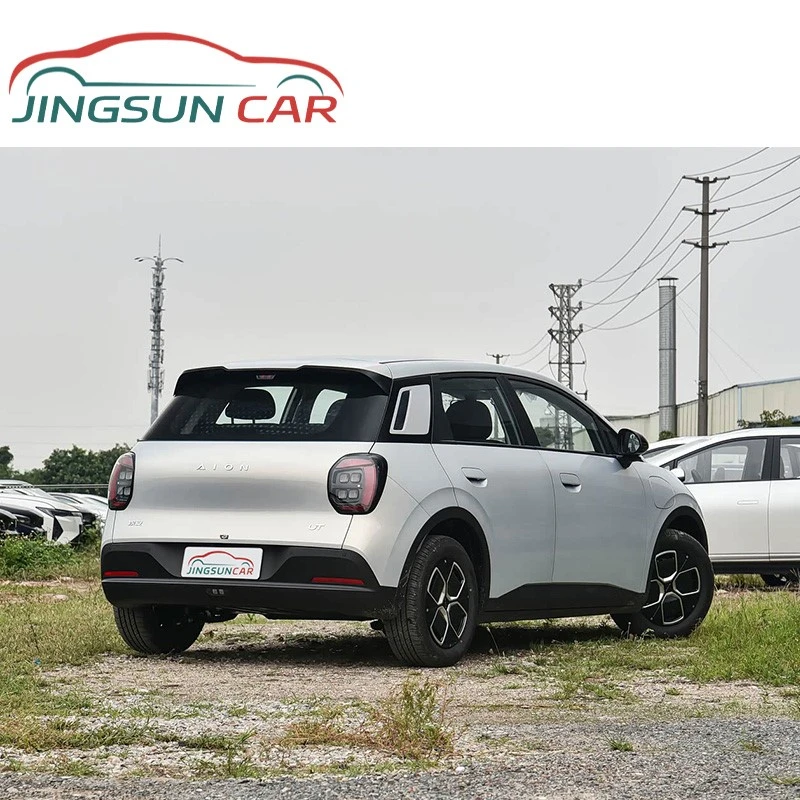
One Motor, Three Battery Sizes
All three versions share the same front-mounted permanent magnet synchronous motor, rated at 100 kW (136 Ps) and 145 N·m, driving the front wheels through a single-speed fixed-ratio gearbox. What changes is the pack: 32.24 kWh for the 320 km version, 44.12 kWh for the 420 km version, and 56.684 kWh for the 530 km version. Top speed is limited to 150 km/h across the range, and combined electricity consumption stays between 11.4 and 11.7 kWh per 100 km.
A Long Wheelbase in a Short Body
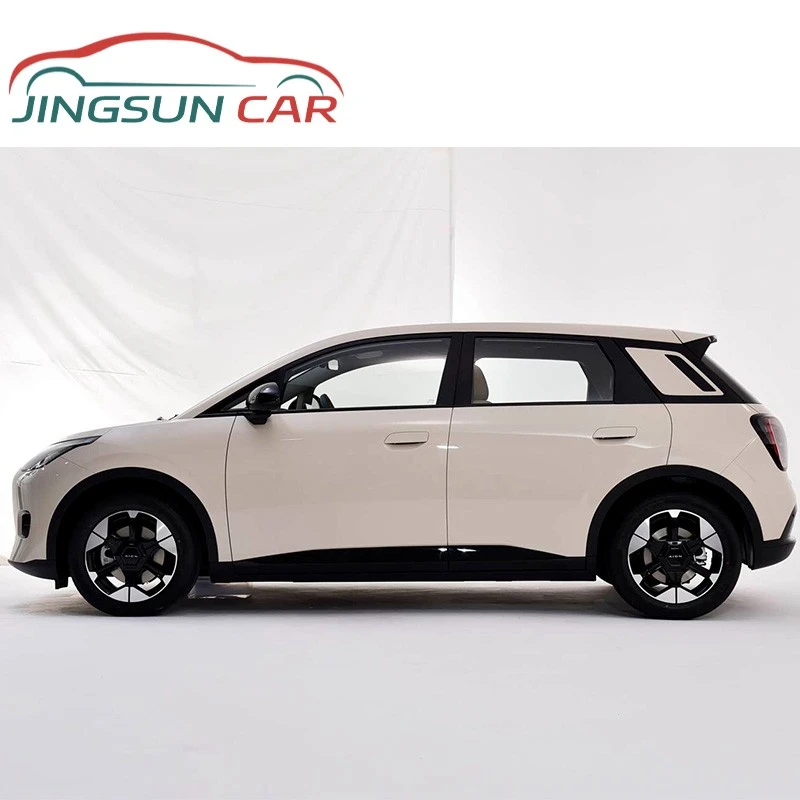
The body is 4,270 mm long, 1,850 mm wide and 1,575 mm tall, but the axles sit 2,750 mm apart with a 1,600 mm track front and rear. That is the sort of wheelbase usually found on a car one class larger, and it is what allows a five-seat cabin and a 440 litre boot in a vehicle that still parks in a standard city bay. Kerb weight runs from 1,436 kg in the 320 km version to 1,600 kg in the 530 km version, with gross vehicle mass between 1,900 kg and 2,030 kg.
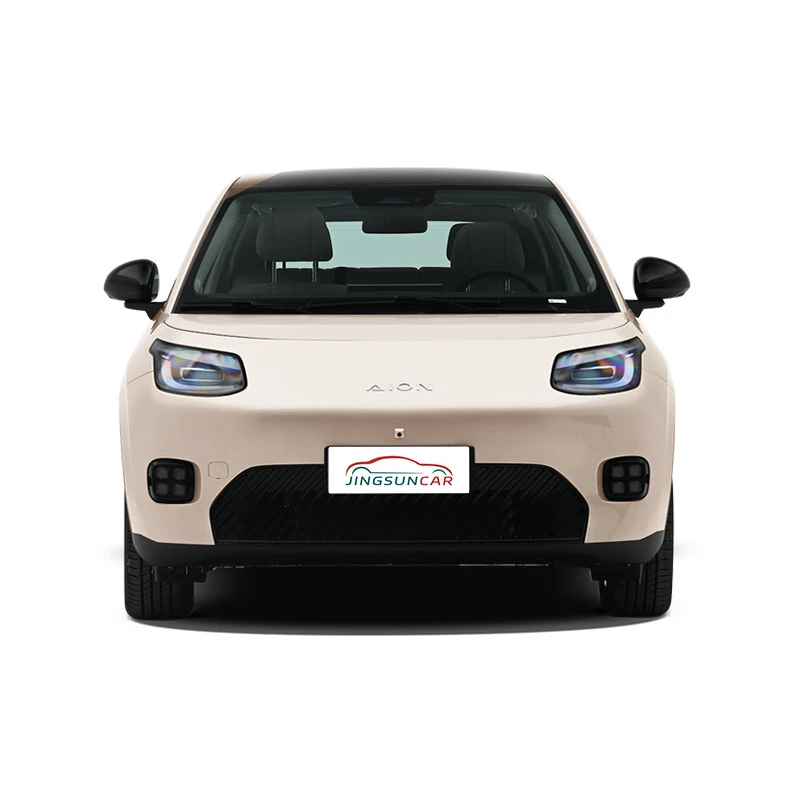
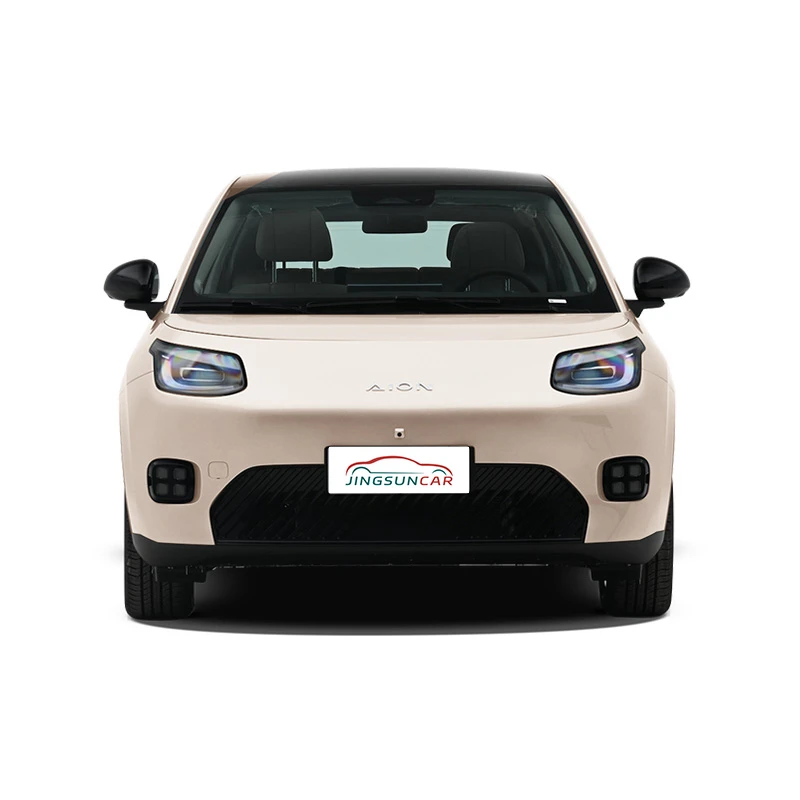
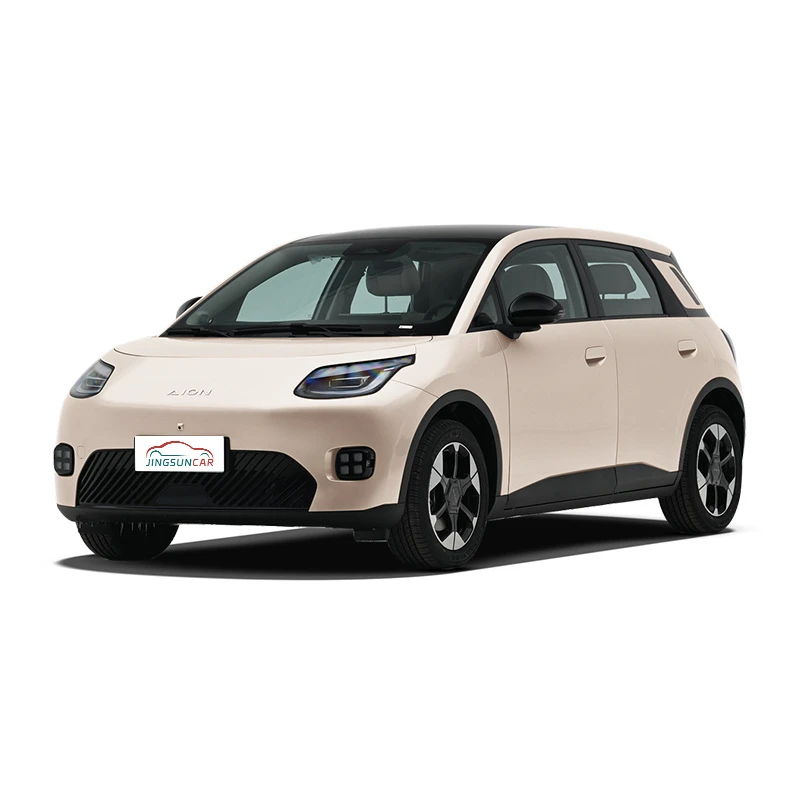
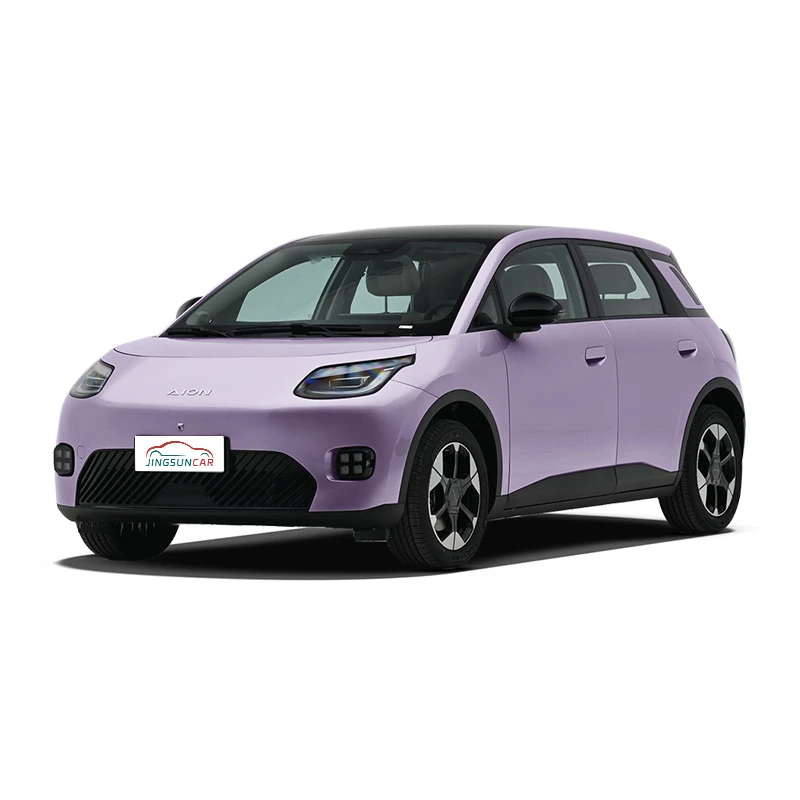
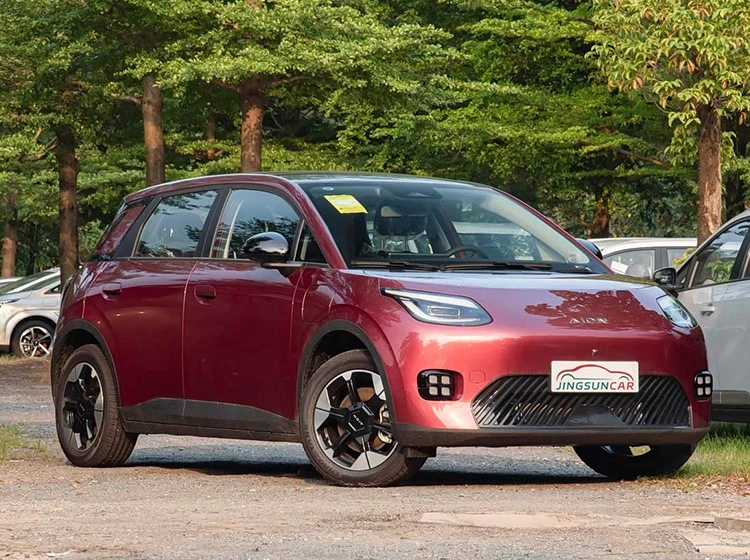
Exterior Design: Details That Read as Electric
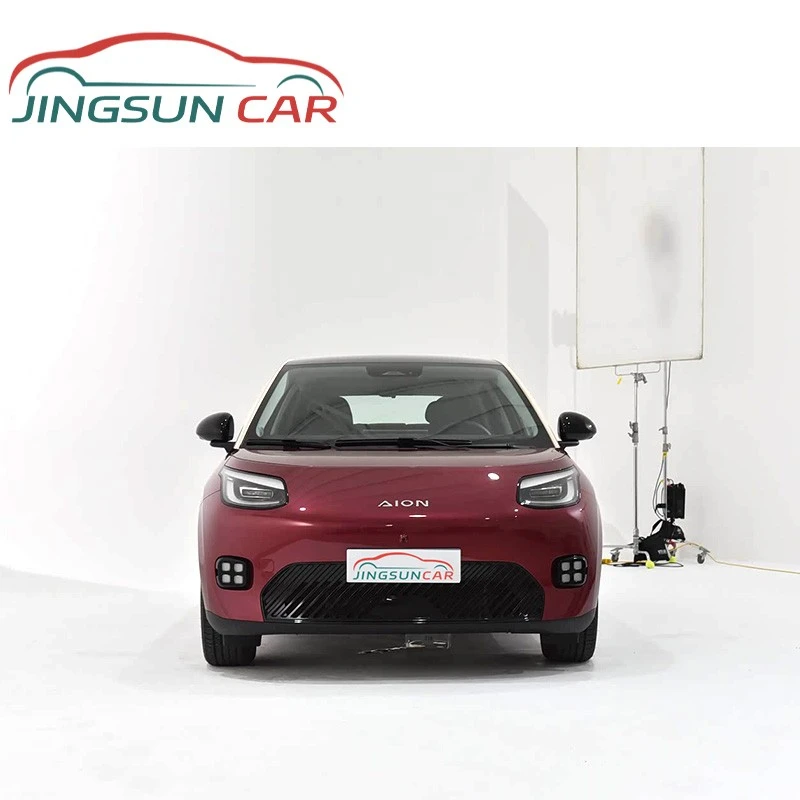
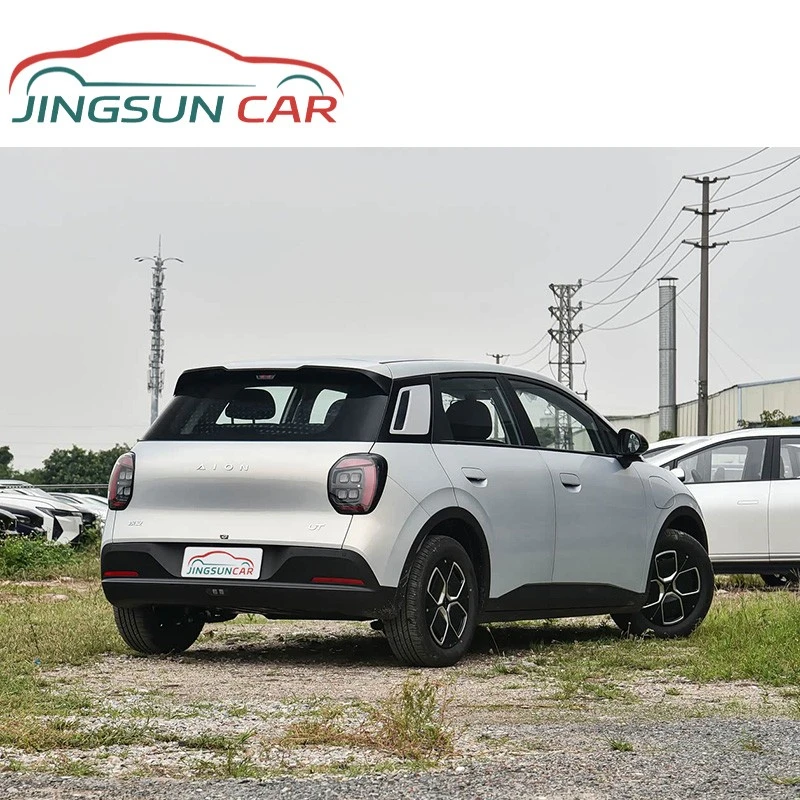
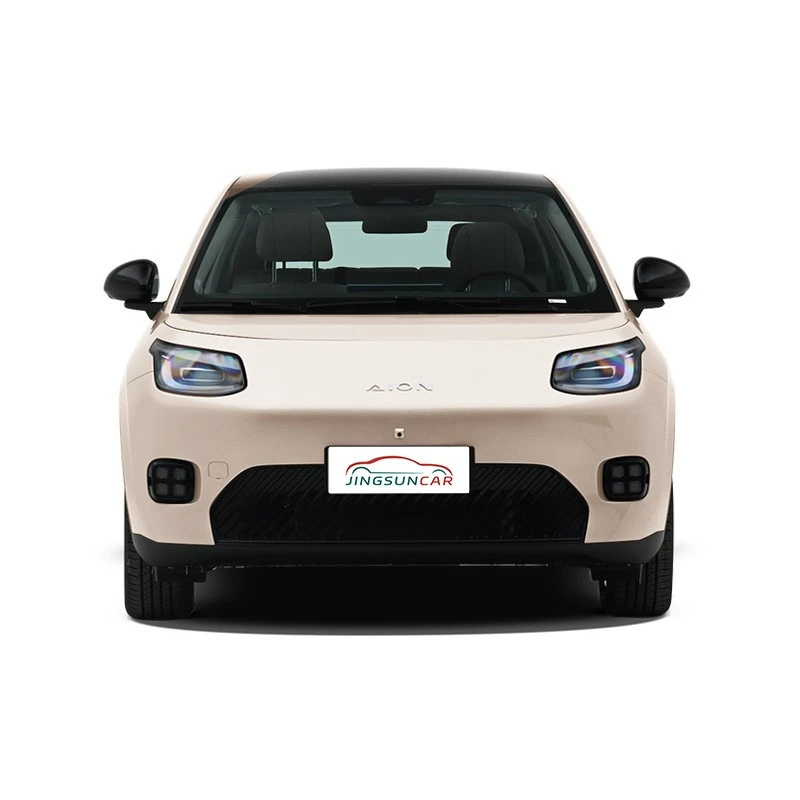
The UT keeps a short, upright nose and a near-vertical tail, a silhouette chosen for interior volume rather than for a long bonnet. The surfacing is deliberately clean: a smooth shoulder line, flush door handles, a blacked-out roof and pillar treatment, and a body-colour panel where a combustion hatchback would normally carry a grille. Approach and departure angles are 17 and 28 degrees on the 320 km and 420 km versions, and 19 and 28 degrees on the 530 km version.
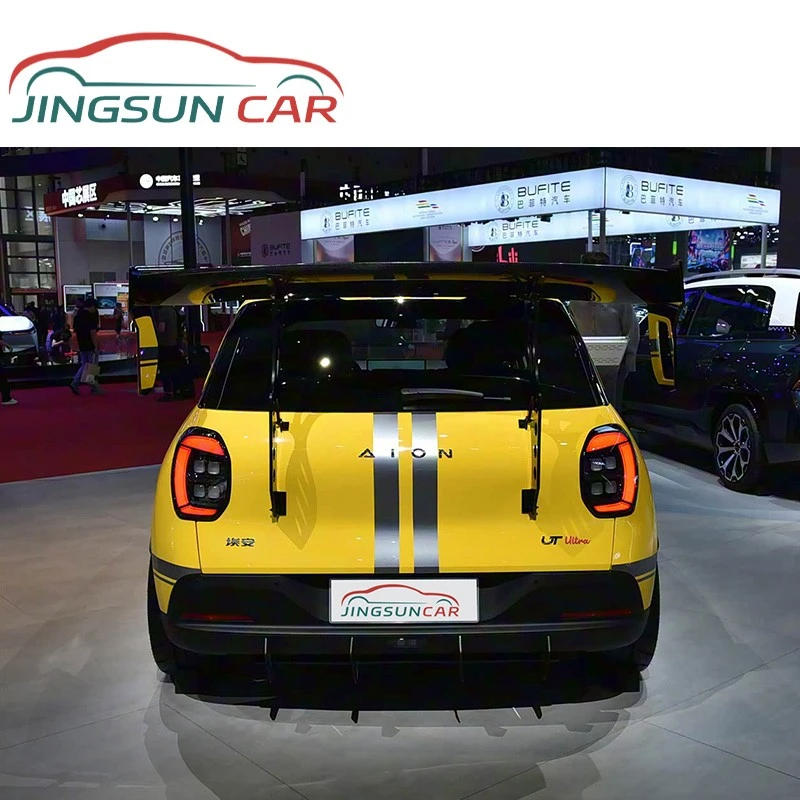
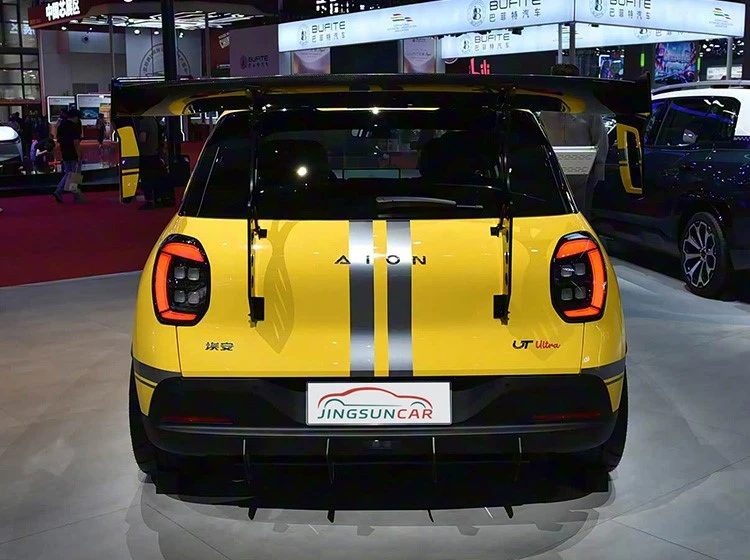
Lighting is where the design carries most of its identity. The front end uses a horizontal lamp graphic with an LED daytime running strip, and the tail uses a compact square lamp cluster set into the rear panel. Automatic headlights with follow-me-home delay are fitted as standard, and headlight height is adjustable from the cabin.
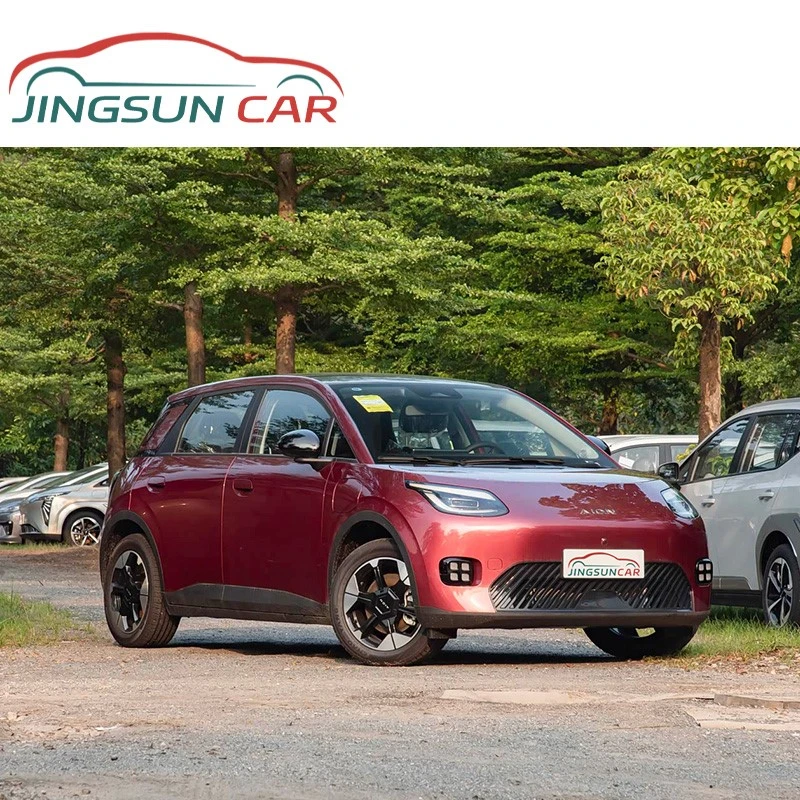
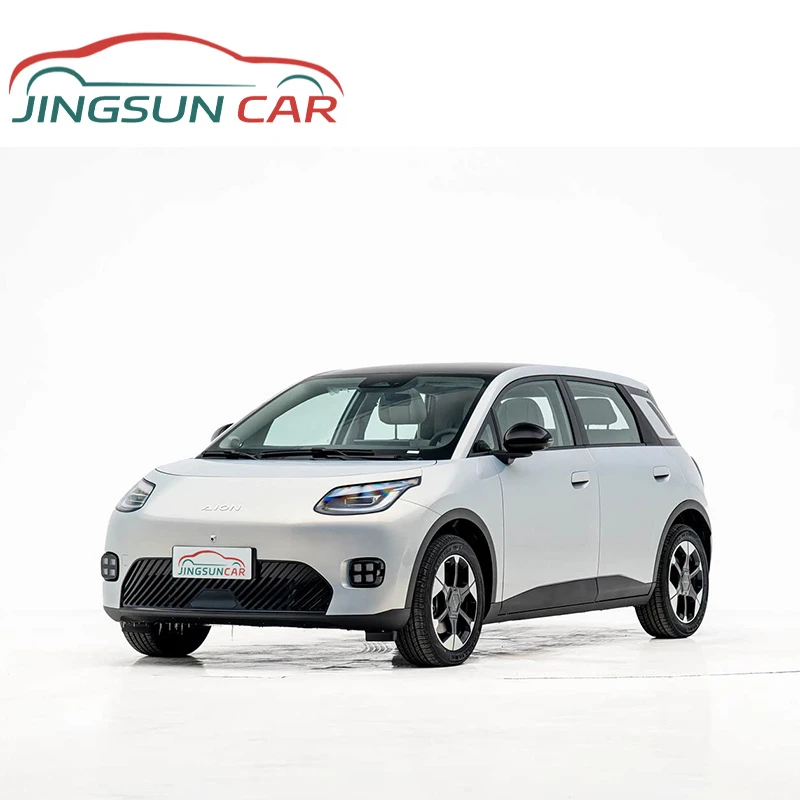
Charging Port on the Front Right Wing
Both the AC and DC inlets sit together behind a single flap on the front right side of the vehicle, which keeps the car nose-in to a wall box or a public post without stretching a cable around the body. DC charging takes the pack from 30 to 80 percent in about 24 minutes on the 420 km and 530 km versions, and about 26 minutes on the 320 km version. An external AC discharge function rated at 3.3 kW lets the car run tools, lighting or a small appliance on site.
Wheels, Mirrors and Roof Treatment
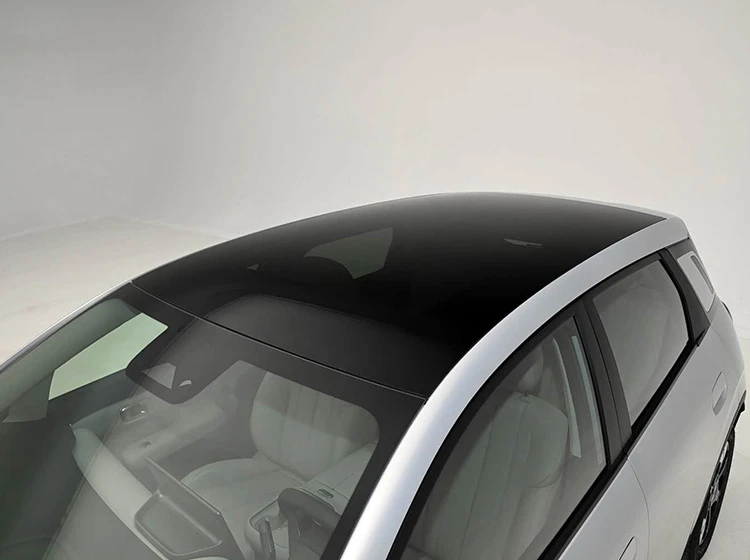
Alloy wheels fill the arches, and the mirror caps are finished in gloss black to match the roof and the window surround, which visually lowers the car. The tailgate carries the AION wordmark rather than a graphic badge, and the rear wiper is mounted under the spoiler so it stays clear of the glass. The rear bumper has a black lower section with integrated reflectors, which also hides kerb scuffs in tight parking.
Space, Charging and Everyday Running Cost
Inside, the layout is a conventional five-seat arrangement with the traction battery under the floor, which keeps the boot floor low and flat. Luggage capacity is 440 litres with the rear bench in use, extending to 1,600 litres with it folded. Because the motor sits at the front and the pack sits between the axles, there is no transmission tunnel to work around and no exhaust routing to package.
Running cost is the argument that carries this class of car in export markets. At 11.4 to 11.7 kWh per 100 km, a daily 60 km commute uses roughly seven kilowatt-hours, which on most commercial tariffs is a fraction of the fuel bill for a comparable petrol hatchback. Fewer moving parts also means the service schedule is limited to tyres, brakes, cabin filter and coolant checks rather than oil, filters and belts.

Thermal Management and Cold Weather
The pack uses liquid cooling and a battery preheating function, so DC charge acceptance does not collapse on a cold morning. A heat pump air conditioning system is fitted across the range, which matters more than headline range in winter: it draws far less energy than a resistive heater. The 530 km version adds rear air vents and a PM2.5 cabin filter.
Equipment That Varies by Version
The three versions are not simply battery sizes. The 420 km version is the only one with a full LCD instrument cluster. The 530 km version adds an electric tailgate with position memory, power adjustment for the driver's seat, rear air vents and a PM2.5 cabin filter. The 540-degree transparent chassis view is fitted to the 320 km and 530 km cars but not to the 420 km car. External discharge is optional on the two shorter-range versions and standard on the 530 km car, so buyers ordering mixed fleets should specify by version code rather than by range alone.
Safety: Structure, Electronics and Battery Protection
The UT ships with the full set of electronic chassis controls as standard: anti-lock braking, electronic brake force distribution, brake assist, traction control and electronic stability control, plus hill-start assist and an auto-hold function. ISOFIX anchorages are provided for child seats, and a low-speed pedestrian warning sound is fitted because the car is silent at walking pace.
The battery is GAC's Magazine Battery pack, a design named for the way cells are separated into individual compartments so that a fault in one does not propagate through the whole pack. Combined with liquid cooling, battery preheating and a sealed underbody, it is the part of the specification most worth explaining to a fleet buyer who has not run electric vehicles before.

Why Importers Shortlist the AION UT
Five points that come up in almost every enquiry about this class of car.
Right-sized for dense cities
4,270 mm long and 1,850 mm wide, so it fits narrow streets, tight ramps and standard parking bays without the width penalty of a compact SUV.
Three range bands from one model
320, 420 and 530 km CLTC versions share one drivetrain, so a distributor can cover entry, mid and long-range demand with a single parts catalogue.
Fast charge in about 24 minutes
30 to 80 percent on a DC charger, with both inlets on the same front wing so the car docks nose-in without cable strain.
Low service burden
No oil, filters or belts in the service schedule. Consumables are tyres, brake pads, cabin filter and coolant, which suits fleet operators running high monthly mileage.
Battery built for warm and cold markets
Magazine Battery construction, liquid cooling, preheating and a heat pump air conditioner cover both hot-climate cooling load and cold-start charging.
Ordering Notes for Importers
Three practical points before an order is confirmed. First, specify version by code rather than by range, because equipment differences between the 420 km and 530 km cars are not limited to the battery. Second, confirm the charging inlet standard required in the destination market and whether the build has to differ from the domestic configuration, since adapters and regional variants must be agreed at the contract stage rather than assumed. Third, confirm the drive-hand requirement for your market with our sales team before fixing an order quantity.
Vehicle specifications, colours and equipment availability change by production batch. Please confirm the exact configuration, model year and delivery schedule with our sales team before issuing a purchase order, and treat the parameter table on this page as a reference for the versions currently listed rather than a binding offer.
Product Details
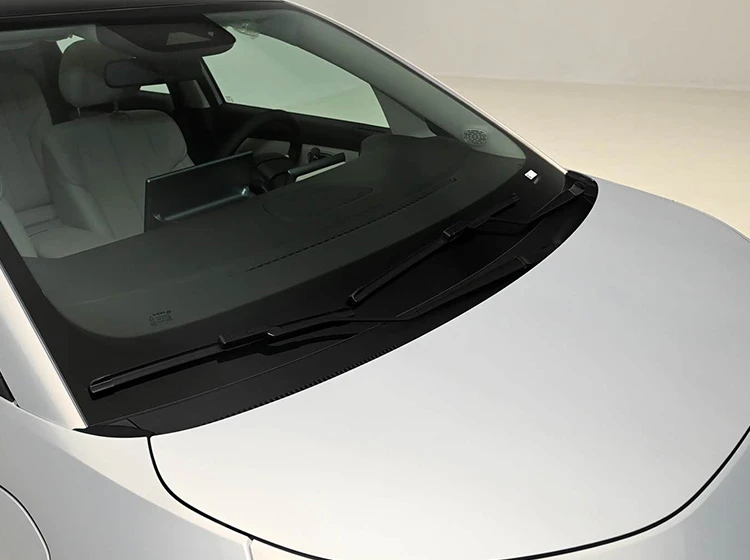
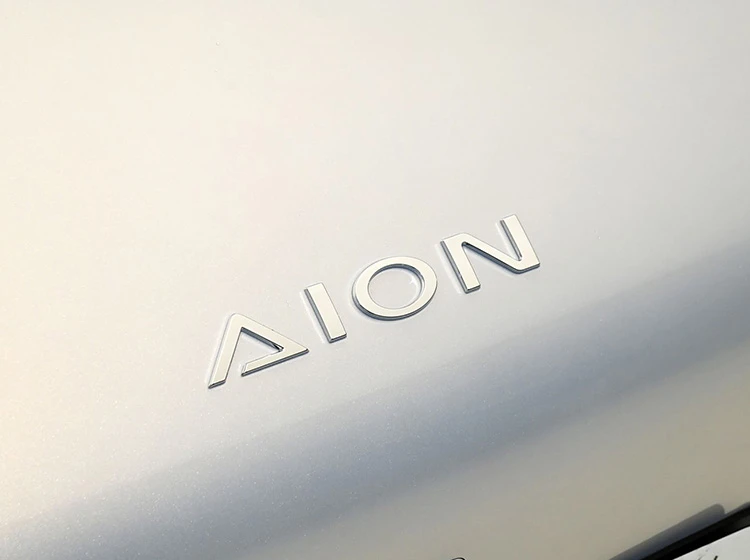
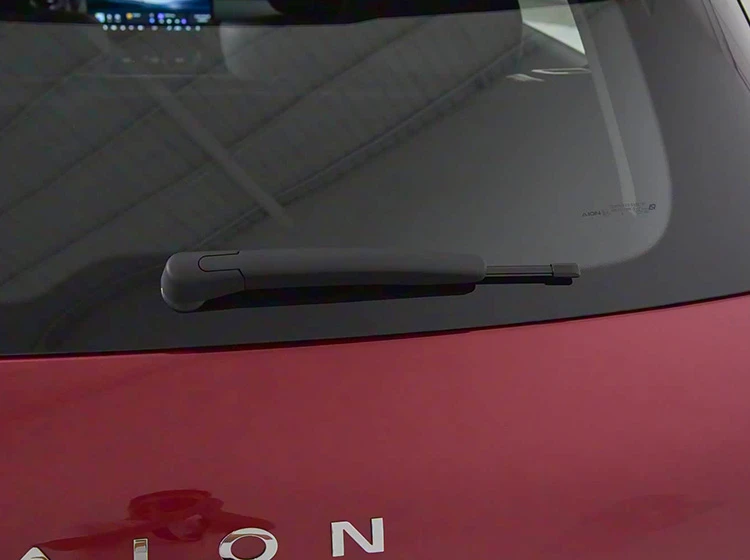
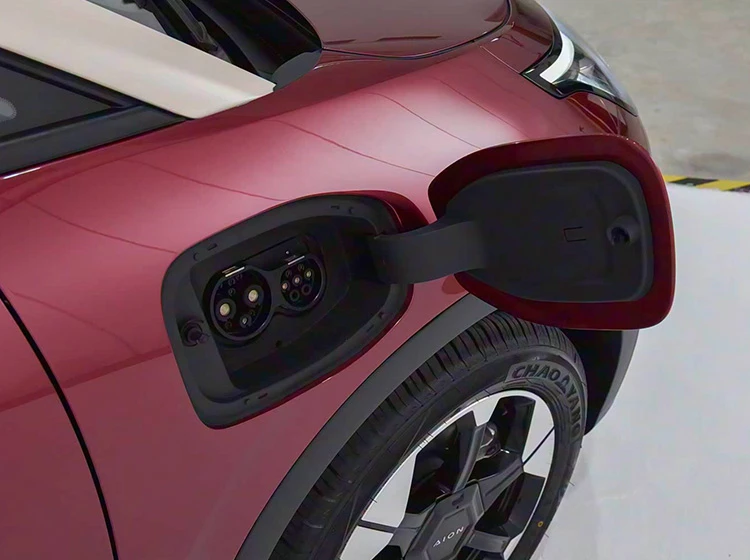
For current availability of the AION UT, mixed-container options and documentation for your market, send your requirement through the enquiry form on this page. Please include destination port, quantity, preferred version and required model year so that we can respond with an accurate offer.
| ● Standard configuration ○ Optional -- None |
AION UT 2026 320km Starlight | AION UT 2026 420km Charge Edition | AION UT 2027 530km CATL Edition |
| Basic Parameters | |||
| Manufacturer | GAC Aion | GAC Aion | GAC Aion |
| Level | Compact car | Compact car | Compact car |
| Energy type | Pure electric | Pure electric | Pure electric |
| Time to market | 2026-05-02 | 2026-01-17 | 2026-08-22 |
| CLTC pure electric range(km) | 320 | 420 | 530 |
| Battery fast charging time (h) | 0.43 | 0.4 | 0.4 |
| Fast charging range (%) | 30-80 | 30-80 | 30-80 |
| Maximum power(kW) | 100 | 100 | 100 |
| Maximum torque(N·m) | 145 | 145 | 145 |
| Body structure | 5-door 5-seater hatchback | 5-door 5-seater hatchback | 5-door 5-seater hatchback |
| Motor(Ps) | 136 | 136 | 136 |
| Length*Width*Height (mm) | 4270*1850*1575 | 4270*1850*1575 | 4270*1850*1575 |
| Maximum speed (km/h) | 150 | 150 | 150 |
| Electricity equivalent fuel consumption (L/100km) | 1.32 | 1.32 | 1.36 |
| Curb weight (kg) | 1436 | 1540 | 1600 |
| Maximum full load mass (kg) | 1900 | 2000 | 2030 |
| Car Body | |||
| Length (mm) | 4270 | 4270 | 4270 |
| Width (mm) | 1850 | 1850 | 1850 |
| Height (mm) | 1575 | 1575 | 1575 |
| Wheelbase(mm) | 2750 | 2750 | 2750 |
| Front wheelbase (mm) | 1600 | 1600 | 1600 |
| Rear wheelbase (mm) | 1600 | 1600 | 1600 |
| Approach angle (°) | 17 | 17 | 19 |
| Departure angle (°) | 28 | 28 | 28 |
| Car door opening method | Swing door | Swing door | Swing door |
| Trunk volume (L) | 440-1600 | 440-1600 | 440-1600 |
| Electric Motor | |||
| Front motor brand | Suzhou Inovance | Suzhou Inovance | RuiPai Power |
| Front motor model | TZ180XS134 | TZ180XS134 | TZ160XYD3A02 |
| Motor type | Permanent magnet/synchronous | Permanent magnet/synchronous | Permanent magnet/synchronous |
| Total motor power (kW) | 100 | 100 | 100 |
| Total motor horsepower (Ps) | 136 | 136 | 136 |
| Total torque of motor (N·m) | 145 | 145 | 145 |
| Front motor maximum power (kW) | 100 | 100 | 100 |
| Front motor maximum torque (N·m) | 145 | 145 | 145 |
| Number of drive motors | Single motor | Single motor | Single motor |
| Motor layout | Front | Front | Front |
| Battery & Charging | |||
| Battery technology | Magazine Battery | Magazine Battery | Magazine Battery |
| Battery cooling method | Liquid cooling | Liquid cooling | Liquid cooling |
| Battery energy (kWh) | 32.24 | 44.12/44.133/44.089 | 56.684 |
| Electricity consumption per 100 kilometers (kWh/100km) | 11.4 | 11.4 | 11.7 |
| Fast charging function | Supported | Supported | Supported |
| Slow charging port position | Front right side of vehicle | Front right side of vehicle | Front right side of vehicle |
| Fast charging port position | Front right side of vehicle | Front right side of vehicle | Front right side of vehicle |
| External AC discharge power (kW) | 3.3 | 3.3 | 3.3 |
| Chassis & Transmission | |||
| Gearbox | Electric vehicle single-speed gearbox | Electric vehicle single-speed gearbox | Electric vehicle single-speed gearbox |
| Number of gears | 1 | 1 | 1 |
| Transmission type | Fixed-ratio transmission | Fixed-ratio transmission | Fixed-ratio transmission |
| Body structure (chassis) | Unibody | Unibody | Unibody |
| Safety Equipment | |||
| Main/passenger seat airbag | Main●/deputy● | Main●/deputy● | Main●/deputy● |
| Front/rear side airbags | Front●/rear- | -- | Front●/rear- |
| ABS anti-lock | ● | ● | ● |
| Braking force distribution (EBD/CBC etc.) | ● | ● | ● |
| Brake assist (EBA/BAS/BA etc.) | ● | ● | ● |
| Traction control (ASR/TCS/TRC etc.) | ● | ● | ● |
| Electronic stability control (ESC/ESP/DSC etc.) | ● | ● | ● |
| ISOFIX child seat anchor | ● | ● | ● |
| Low-speed driving warning | ● | ● | ● |
| Roadside assistance call | ● | ● | ● |
| Driving Assistance | |||
| Energy recovery system | ● | ● | ● |
| Automatic parking | ● | ● | ● |
| Hill start assist | ● | ● | ● |
| Front/rear parking radar | Front-/rear● | Front-/rear● | Front-/rear● |
| Transparent chassis / 540-degree image | ● | -- | ● |
| Rear cross-traffic alert | ● | ● | ● |
| Satellite navigation system | ● | ● | ● |
| Navigation traffic information display | ● | ● | ● |
| Exterior & Lighting | |||
| In-car central lock | ● | ● | ● |
| Keyless start system | ● | ● | ● |
| Battery preheating | ● | ● | ● |
| External discharge | ○ | ○ | ● |
| Electric trunk | -- | -- | ● |
| Electric tailgate position memory | -- | -- | ● |
| LED daytime running lights | -- | ○ | -- |
| Automatic headlight | ● | ● | ● |
| Headlight height adjustable | ● | ● | ● |
| Delayed turn off of headlights | ● | ● | ● |
| Glass & Mirrors | |||
| Front/rear electric windows | Front●/rear● | Front●/rear● | Front●/rear● |
| Window anti-pinch function | ● | ● | ● |
| Rear wiper | -- | -- | ● |
| Intelligent Connectivity | |||
| Bluetooth/car phone | ● | ● | ● |
| Voice continuous recognition | ● | ● | ● |
| App store | ● | ● | ● |
| Car networking | ● | ● | ● |
| OTA upgrade | ● | ● | ● |
| Wi-Fi hotspot | ● | ● | ● |
| Interior & Comfort | |||
| Multifunction steering wheel | ● | ● | ● |
| Full LCD instrument panel | -- | ● | -- |
| ETC device | ○ | ○ | ○ |
| Main/passenger seat power adjustment | -- | -- | Main●/deputy- |
| Front/rear center armrest | Front●/rear- | Front●/rear- | Front●/rear- |
| Heat pump air conditioner | ● | ● | ● |
| Rear air vents | -- | -- | ● |
| PM2.5 filter | -- | -- | ● |