

Toyota And GM's Quality Control Challenge!
On February 11, the National Highway Traffic Safety Administration (NHTSA) of the United States disclosed two large-scale automobile recalls in succession, involving two major automobile manufacturing giants, Toyota of Japan and General Motors of the United States. These two incidents not only aroused consumers' attention to automobile safety, but also sounded the alarm for quality control in the industry.
Overview Of Recall Events
1. Toyota: Hidden dangers in the braking system
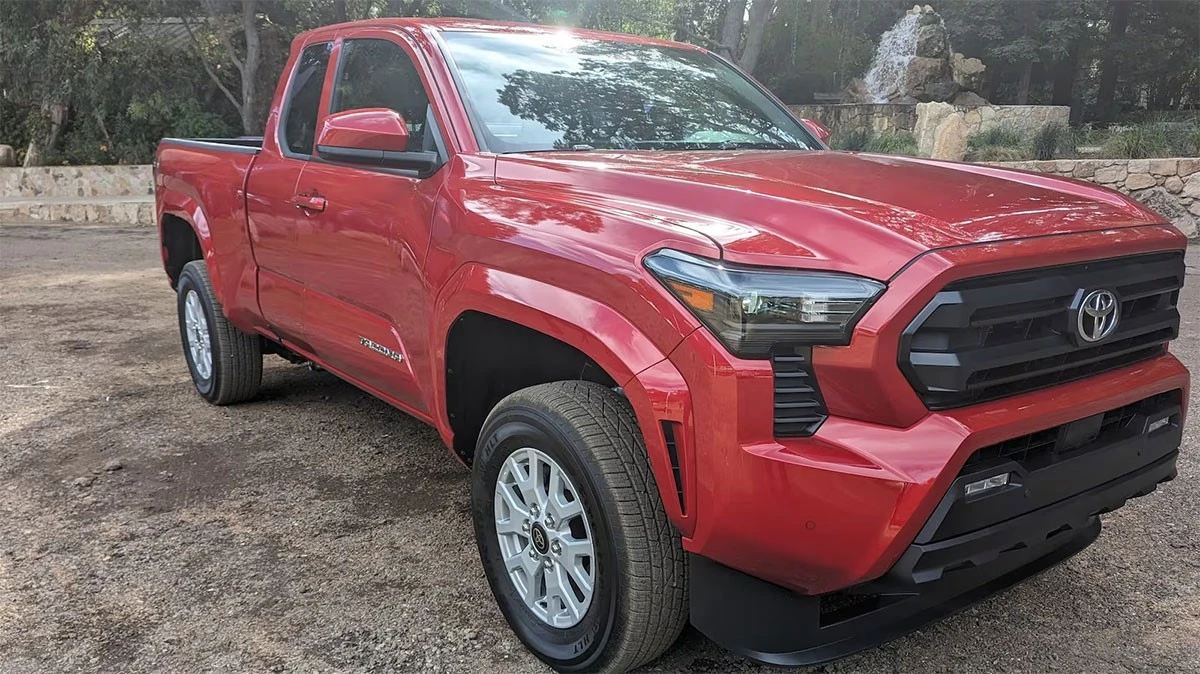
Toyota announced the recall of 106,061 2024-2025 Tacoma pickup trucks because the brake hose may be accidentally damaged during driving, causing brake fluid leakage. This problem will reduce braking efficiency and increase the risk of collision, especially in emergency braking scenarios.
2. GM: Body component defects
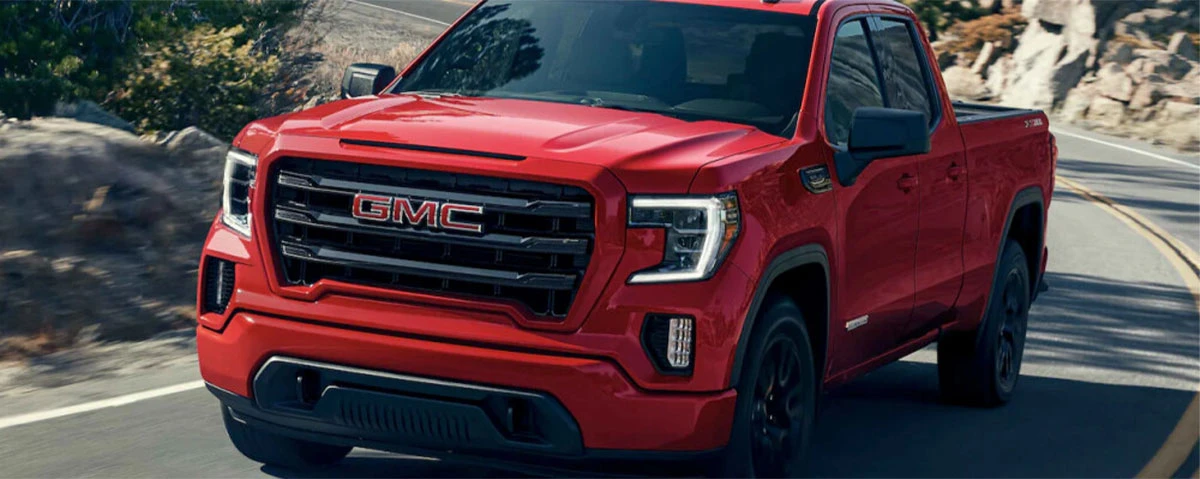
GM recalled 70,768 2022 GMC Sierra 1500 models, involving the risk of fracture of the fixing accessories of the front grille of the vehicle. After the grille falls off, it may interfere with the vision of other vehicles or pedestrians, and even cause secondary accidents, while affecting the aerodynamic performance of the vehicle.
Comparison Of Technical Defects And Potential Risks
|
Manufacturer |
Defective parts |
Risk scenarios |
Safety level |
|
Toyota |
Brake hose |
Brake fluid leakage → Brake failure → Collision |
High (direct threat to life safety) |
|
GM |
Front grille fixing accessories |
Parts falling off → Road obstacles → Indirect accidents |
Medium (mainly secondary risks) |
Analysis points:
Toyota's problem is more urgent: The brake system is the core of vehicle safety, and its failure directly affects the driver's ability to control the vehicle, which belongs to the "high priority recall" defined by NHTSA.
GM's problem is hidden: Although the grille falling off does not directly cause the vehicle to lose control, it may cause sudden danger to the following vehicle during high-speed driving, and it involves durability design defects in the parts supply chain.
Common reflection: Both incidents point to "quality inspection omissions in the production process", especially Toyota models are the latest models, indicating that there may be blind spots in the durability testing of new cars before they go into production.
Corporate Response And Social Impact
1. Toyota's solution:
Toyota will replace the improved brake hose for free through authorized dealers and notify owners by email. NHTSA requires owners to "drive carefully and avoid sudden braking" before recall repairs.
2. GM's repair plan:
GM will replace the grille fixings with reinforced designs for affected vehicles and provide free door-to-door pick-up and delivery services to increase the owner's response rate.
3.Social response:
Consumer trust is frustrated: Toyota Tacoma is a best-selling pickup truck in North America, and this recall may affect its market share; GM faces questions about its supply chain quality control.
Regulatory pressure escalates: NHTSA emphasized in the announcement that "companies need to take the responsibility of actively monitoring defects", indicating that the review of new vehicle certification processes may be strengthened in the future.
Industry enlightenment and future challenges
1. Quality balance during the electrification transition period
The current automotive industry is accelerating its transformation to electrification and intelligence, but the reliability of traditional mechanical components is still the foundation. The Toyota incident reminds automakers to avoid ignoring the verification of basic components in pursuit of new technology iterations.
2. The importance of supply chain collaborative management
GM's grille accessory problem may be caused by defects in the parts and materials of the second-tier suppliers, reflecting that the OEM's penetrating management of the supply chain needs to be strengthened.
3. The economics of recall costs
It is estimated that Toyota's recall cost may exceed 30 million US dollars, and GM will also need to invest tens of millions of dollars. This warns automakers: the initial quality investment is far less than the direct losses and brand value loss caused by the recall.
The recall incidents of Toyota and GM reveal the potential risks of the automotive manufacturing industry in complex supply chains and rapid product iterations. With the development of autonomous driving and vehicle networking technology, vehicle safety has expanded from a single mechanical dimension to the field of software and hardware collaboration. In the future, automakers need to build a more stringent full-life cycle quality monitoring system, and at the same time strengthen transparent communication with regulators and consumers, so as to truly realize the promise of "safety first".
(Data source: NHTSA announcement, official statement of automakers)